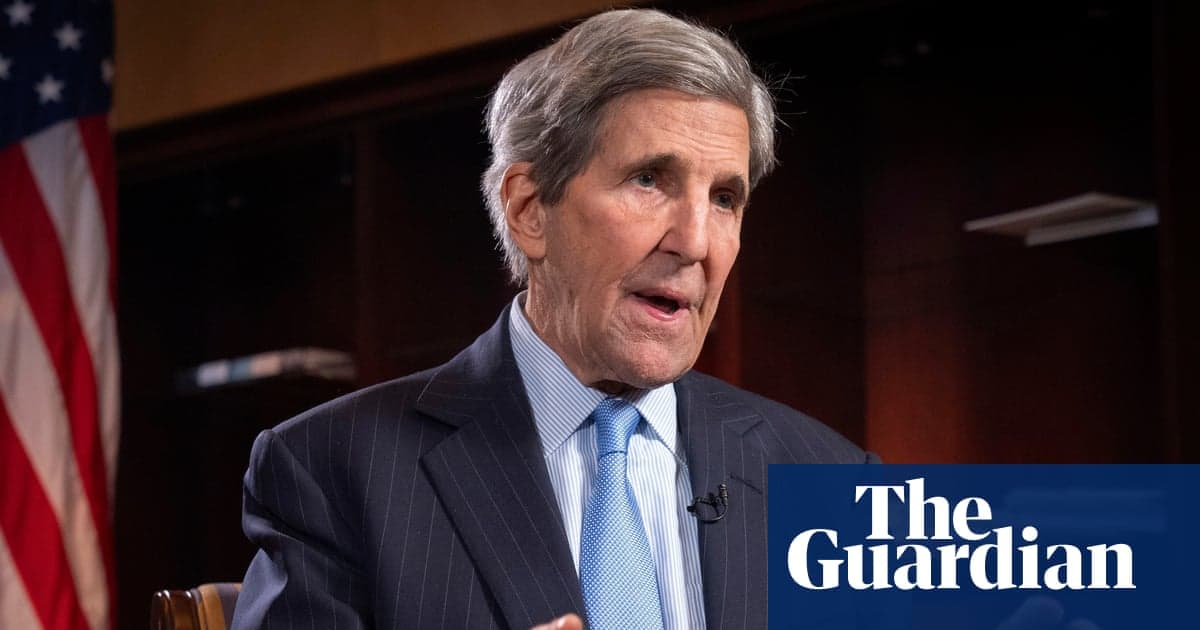
Countries Must Seek Energy Independence Through Renewables and Nuclear, Says John Kerry
•March 11, 2026
0
Why It Matters
The shift toward renewables and nuclear directly affects geopolitical stability and corporate bottom lines, making energy policy a critical competitive factor. Accelerated clean‑energy adoption also supports AI data‑center growth and reduces exposure to volatile oil markets.
Key Takeaways
- •Oil shock exposes fossil fuel security vulnerabilities.
- •Kerry urges renewables and nuclear for energy independence.
- •Small modular reactors highlighted for low‑carbon power.
- •China’s rapid renewable transition cited as model.
- •Nations becoming “electrostates” versus “petrostates” impacts security.
Pulse Analysis
The recent oil price spike, triggered by the Iran conflict, has revived the strategic calculus that first emerged during the 1970s oil embargo. Policymakers are now confronting a stark reminder that energy supply chains can be weaponized, prompting a reassessment of national security frameworks that traditionally prioritized military readiness over energy resilience. This geopolitical shock is reshaping risk assessments across finance, insurance, and supply‑chain management, as firms seek to hedge against sudden disruptions in oil and gas flows.
Renewables and nuclear power are being positioned as the twin pillars of a more secure energy future. Kerry highlighted the rapid scaling of solar and wind in China since 2019, demonstrating that aggressive policy support and market incentives can decouple growth from fossil fuels. At the same time, small modular reactors (SMRs) promise low‑carbon baseload capacity, crucial for high‑intensity users such as AI data centres that can consume as much electricity as a small city. The economic case is compelling: lower operating costs, reduced exposure to volatile commodity prices, and alignment with ESG investment criteria make clean‑energy projects attractive to both public and private capital.
The emerging dichotomy between “electrostates” and “petrostates” signals a new strategic frontier. Nations that invest in smart grids, storage, and domestic renewable generation will enjoy greater geopolitical leverage and economic stability, while those clinging to oil imports risk heightened vulnerability. Policymakers should therefore accelerate permitting for renewables, streamline SMR licensing, and embed energy security metrics into national development plans. By doing so, they can transform a security crisis into a catalyst for a faster, more resilient transition to a low‑carbon economy.
Countries must seek energy independence through renewables and nuclear, says John Kerry
0
Comments
Want to join the conversation?
Loading comments...