Court Bars GE Renewables From Walking Away From $4.5 B Vineyard Wind Project

Companies Mentioned

Why It Matters
The ruling keeps a flagship U.S. offshore wind project on track, preserving a critical source of renewable capacity needed to meet federal clean‑energy goals. It also clarifies contractual expectations around commercial operation dates, a contentious point that could affect financing, tax credits, and the timing of future offshore wind builds. If GE were permitted to exit, the $4.5 billion investment could face significant delays, inflating costs for investors and potentially eroding confidence in the offshore wind supply chain. The case therefore serves as a bellwether for how legal disputes will be resolved in an industry that relies on complex, multi‑year contracts and coordinated government support.
Key Takeaways
- •Suffolk Superior Court issued a preliminary injunction on April 17 preventing GE Renewables from terminating its Vineyard Wind contracts.
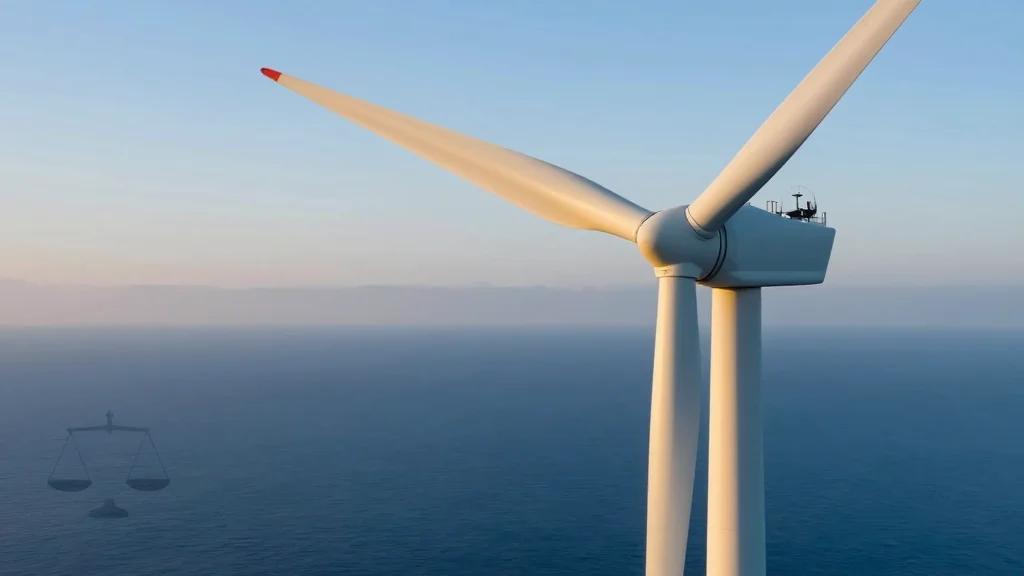
- •Vineyard Wind’s $4.5 billion offshore wind farm remains partially operational, requiring GE’s Haliade‑X turbines to reach full capacity.
- •GE cites Iberdrola CEO Pedro Azagra’s statement that the commercial operation date was declared, arguing the project is already operational.
- •Judge Peter Krupp labeled GE’s termination claim “fanciful” and emphasized the “immeasurable” harm of a withdrawal.
- •A rehearing is scheduled for April 12, with potential implications for contract enforcement across U.S. offshore wind projects.
Pulse Analysis
The Vineyard Wind injunction is a watershed moment for contract enforcement in the U.S. offshore wind market, where billions of dollars hinge on precise milestone definitions. Historically, offshore projects have been insulated from abrupt partner exits through robust force‑majeure clauses and performance bonds. Here, the judge’s decision to forgo a bond—typically required to protect the plaintiff—signals a strong judicial appetite to preserve project continuity, especially when federal incentives are at stake.
From a market perspective, the case underscores the strategic importance of turbine manufacturers. GE Vernova’s Haliade‑X platform is a cornerstone of many U.S. projects, and any perception that the company can unilaterally abandon contracts could destabilize supply‑chain confidence. The ruling may prompt developers to renegotiate terms, demanding stricter penalties for early termination and clearer definitions of “commercial operation.” This could increase upfront costs but also reduce the risk of costly delays.
Looking ahead, the outcome of the April 12 rehearing will likely set a legal precedent for how commercial operation dates are verified. If the court affirms Vineyard Wind’s position, developers may push for more granular performance metrics tied to turbine commissioning, while manufacturers may seek to embed more flexible exit clauses. Either scenario will shape financing structures, insurance products, and the overall speed at which the U.S. can scale offshore wind to meet its 2030 renewable targets.
Court Bars GE Renewables from Walking Away from $4.5 B Vineyard Wind Project
Comments
Want to join the conversation?
Loading comments...