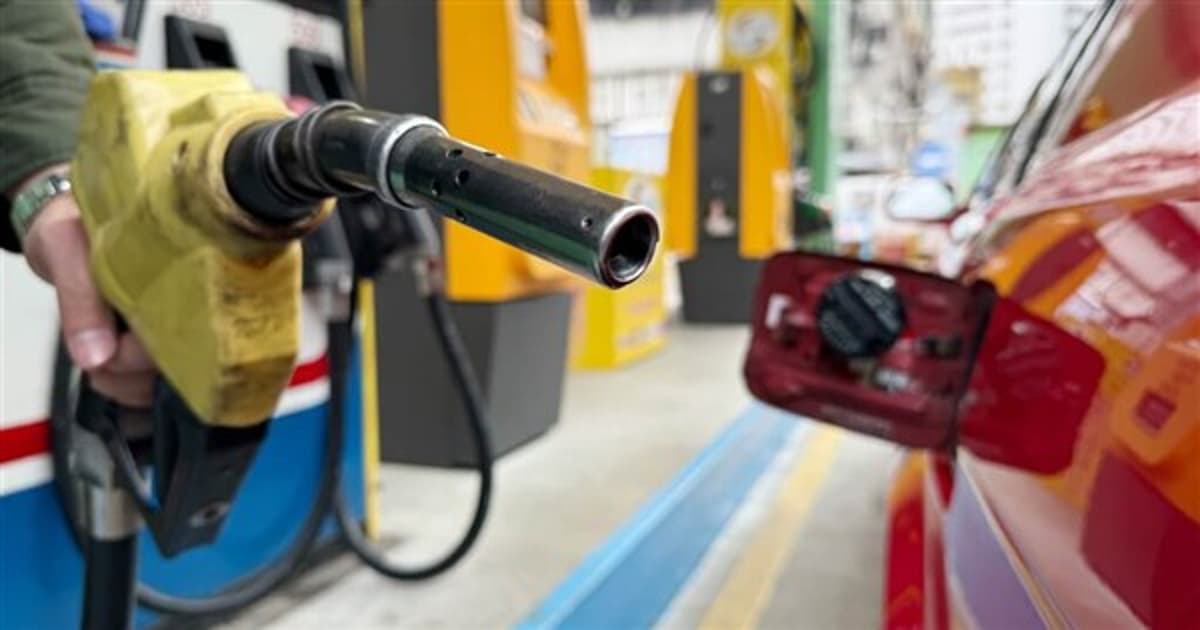
CPC to Keep Gasoline, Diesel Prices Unchanged Next Week
Why It Matters
The price hold shields Taiwanese consumers and businesses from volatile global oil markets, while testing CPC’s financial resilience amid sustained crude price spikes and a weakening Taiwan dollar.
Key Takeaways
- •CPC freezes fuel prices for fifth consecutive week
- •Retail gasoline stays at NT$32.4–35.9 per liter (US$1.02‑1.12)
- •CPC absorbs NT$4.3 gasoline, NT$6.1 diesel per liter loss
- •International crude rose to $110.90/barrel, pressuring margins
- •CPC has incurred NT$13.2 billion losses since February conflict
Pulse Analysis
Taiwan’s fuel pricing model, managed by state‑linked CPC Corp., uses a floating mechanism tied to 70 % Dubai and 30 % Brent crude. By keeping retail rates steady despite a jump in benchmark oil to $110.90 a barrel, CPC aims to cushion the domestic market from the ripple effects of Middle‑East tensions that have driven global prices upward since late February. The decision also reflects a strategic choice to maintain price parity with neighboring economies that are still subsidizing fuel, preserving Taiwan’s competitiveness in transport‑intensive sectors.
For consumers, the price freeze translates to a modest saving of roughly US$0.03 per liter of gasoline compared with what a market‑driven increase would have cost. Businesses, especially logistics and tourism operators, benefit from predictable fuel expenses, which supports margin stability in an environment of rising input costs. However, CPC’s commitment to absorb NT$4.3 per liter of gasoline and NT$6.1 per liter of diesel adds to its fiscal strain; the company has already recorded NT$13.2 billion in cumulative losses linked to the conflict‑driven oil shock and a slightly weaker Taiwan dollar, now trading at NT$31.55 per US$.
Looking ahead, CPC’s capacity to sustain subsidies will hinge on both crude price trajectories and exchange‑rate movements. If Brent and Dubai benchmarks stay above $115 a barrel, the firm may face pressure to either raise retail rates or deepen its absorption, which could affect its balance sheet and, by extension, government fiscal planning. The episode underscores Taiwan’s broader energy security challenge, prompting discussions on diversifying supply sources and accelerating the transition to electric mobility to reduce reliance on imported oil.
CPC to keep gasoline, diesel prices unchanged next week
Comments
Want to join the conversation?
Loading comments...