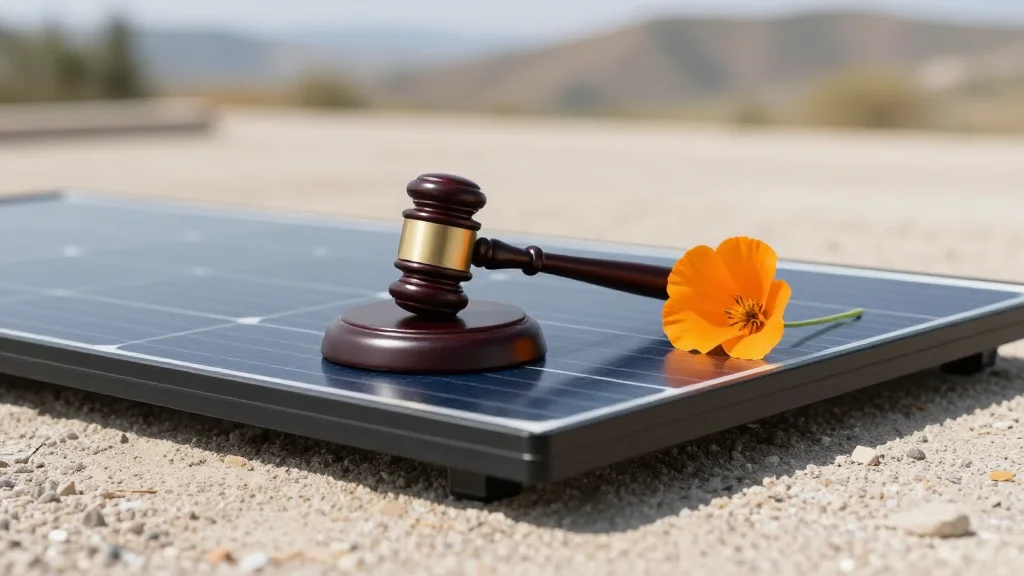
CPUC Wastes a Golden Opportunity to Right Wrongs of Previous Community Solar Decisions that Harm Californians with Lower Incomes
Why It Matters
By stalling community solar, the CPUC jeopardizes bill relief for low‑income Californians and undermines state goals for a resilient, decarbonized grid. The decision signals a regulatory tilt toward utility interests over mandated climate and equity objectives.
Key Takeaways
- •CPUC proposal effectively halts new community solar projects statewide
- •Low‑income households miss out on potential bill reductions
- •AB 2316 mandates robust community solar, but CPUC deviates
- •Utilities influence decision, risking grid resilience goals
- •SEIA pledges continued advocacy for equitable solar access
Pulse Analysis
California’s electricity market is under pressure, with residential rates climbing to record highs. Community solar—shared rooftop or ground‑mounted arrays that let renters and low‑income renters subscribe—has been championed as a cost‑effective pathway to broaden clean‑energy benefits. AB 2316, enacted in 2022, explicitly directs the CPUC to create a robust program that delivers affordable solar to disadvantaged customers while enhancing grid stability. The legislation reflects a broader state strategy to meet its 2030 renewable targets and reduce reliance on fossil‑fuel peaker plants.
The CPUC’s proposed decision in proceeding A.22-05-022 runs counter to that legislative intent. By imposing stringent eligibility criteria and limiting project sizes, the commission effectively shuts the door on new community solar installations at a time when demand for lower‑cost power is acute. Critics argue the CPUC is bowing to incumbent utility lobbying, preserving traditional revenue models at the expense of innovative, distributed resources. For low‑income households, the loss translates into missed opportunities to shave tens of dollars off monthly bills, widening energy‑poverty gaps. Moreover, the decision could delay grid‑resilience upgrades that community solar farms can provide, such as localized generation and reduced transmission strain.
The backlash from the Solar Energy Industries Association and other stakeholders underscores a growing tension between regulatory bodies and clean‑energy advocates. SEIA’s pledge to continue lobbying signals that the fight over community solar is far from over, with potential legal challenges and legislative pressure on the horizon. If the CPUC revises its stance, California could unlock billions in avoided electricity costs and accelerate its decarbonization roadmap. Conversely, a prolonged stalemate may push developers toward alternative markets, weakening the state’s leadership in distributed solar and undermining equity goals.
CPUC Wastes a Golden Opportunity to Right Wrongs of Previous Community Solar Decisions that Harm Californians with Lower Incomes
Comments
Want to join the conversation?
Loading comments...