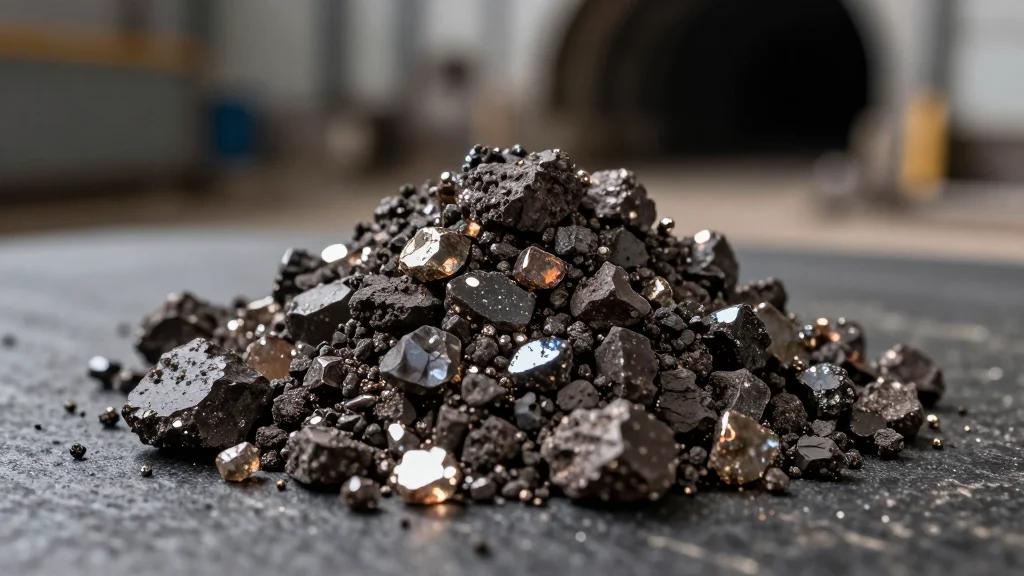
Critical Minerals Are Becoming the Energy Transition’s Delivery Constraint
Why It Matters
Mineral shortages threaten the pace and cost of renewable‑energy deployment, directly impacting climate‑goal timelines and investment returns. Addressing the constraint is essential for energy security and competitive advantage in the clean‑tech market.
Key Takeaways
- •Lithium, cobalt, and rare earth prices have risen 30%‑50% YoY
- •Only 15% of global critical‑mineral processing capacity resides in the West
- •Recycling could meet up to 20% of future demand by 2035
- •Governments are drafting subsidies for domestic mining and refining
Pulse Analysis
The surge in demand for clean‑energy technologies has turned critical minerals into a strategic commodity. While solar panels, wind turbines, and electric‑vehicle batteries drive the transition, they rely heavily on a narrow set of elements that are geographically concentrated. Recent price surges—up to 50 percent for cobalt and lithium—signal tightening supply, prompting investors to scrutinize the full value chain from extraction to end‑use. Understanding these dynamics is crucial for stakeholders seeking to mitigate risk and secure long‑term returns.
Policy responses are evolving as nations recognize mineral security as a component of energy independence. The United States, European Union, and Japan have announced funding programs to boost domestic mining, streamline permitting, and develop advanced recycling technologies. These initiatives aim to reduce reliance on China, which currently controls over 70 percent of rare‑earth processing. By fostering a diversified supply base, policymakers hope to stabilize markets and keep renewable‑energy projects on schedule.
Corporate strategies are also shifting. Energy firms and automakers are entering joint ventures with miners, investing in battery‑grade material production, and exploring substitution research. Companies that integrate mineral sourcing into their ESG frameworks can gain a competitive edge, as investors increasingly demand transparency around resource risks. Ultimately, aligning capital, technology, and policy to address critical‑mineral constraints will determine whether the world can meet its net‑zero ambitions on time.
Critical minerals are becoming the energy transition’s delivery constraint
Comments
Want to join the conversation?
Loading comments...