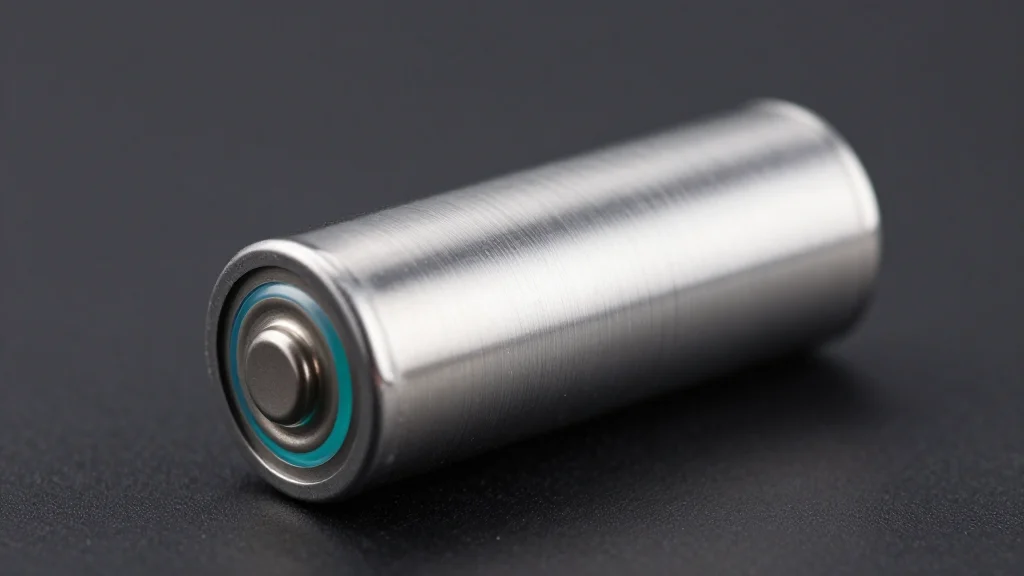
Critical Resources Hails Sulphur-Free Battery Breakthrough
Why It Matters
A sulphur‑free electrolyte that matches sulphide performance could unlock safer, cheaper mass production of solid‑state batteries, accelerating commercialization across electric‑vehicle and grid‑storage markets.
Key Takeaways
- •Sulphur‑free electrolyte achieved 3.2 mS/cm conductivity at room temperature
- •Activation energy measured 0.27 eV, matching leading sulphide electrolytes
- •No toxic gas release, enabling safer, lower‑cost manufacturing
- •Complementary thermal‑management licence expands Critical’s battery portfolio
- •Early‑stage results pave way for solid‑state cell scaling
Pulse Analysis
Critical Resources’ recent laboratory data marks a notable shift in solid‑state battery research. By delivering an ionic conductivity of 3.2 mS/cm and an activation energy of just 0.27 eV, the sulphur‑free amorphous electrolyte rivals the transport properties of the best sulphide‑based systems while sidestepping their notorious moisture sensitivity. The benchmark against peer‑reviewed literature adds credibility, suggesting the material’s intrinsic performance is not an artifact of proprietary testing conditions. This development addresses a core hurdle—maintaining high ion mobility without compromising safety.
Beyond electrochemical metrics, the real value lies in manufacturability. Sulphide electrolytes demand inert‑atmosphere facilities and emit hazardous hydrogen sulfide when exposed to moisture, inflating capital expenditures and operational risk. A sulphur‑free alternative can be processed in conventional equipment, reducing both upfront investment and ongoing safety compliance costs. Critical Resources is pairing this chemistry with its dry supersonic deposition (DSD) platform, a technique designed to deposit thin, uniform layers without solvents, further trimming material waste. The recent acquisition of a worldwide licence for a spray‑based thermal‑management system from Nanyang Technological University adds a complementary solution for heat dissipation, a persistent challenge in high‑energy density cells.
If the early‑stage results translate into scalable cell designs, the market implications could be substantial. Battery manufacturers seeking to bypass the costly sulphide supply chain may view Critical’s approach as a viable pathway to solid‑state products for electric vehicles and stationary storage. Investors will likely monitor the upcoming interfacial and compression studies, which will determine whether the electrolyte can sustain performance under real‑world cycling stresses. Successful integration could accelerate the broader industry transition from liquid‑electrolyte lithium‑ion batteries to safer, higher‑energy solid‑state formats, reshaping the competitive landscape over the next five years.
Critical Resources hails sulphur-free battery breakthrough
Comments
Want to join the conversation?
Loading comments...