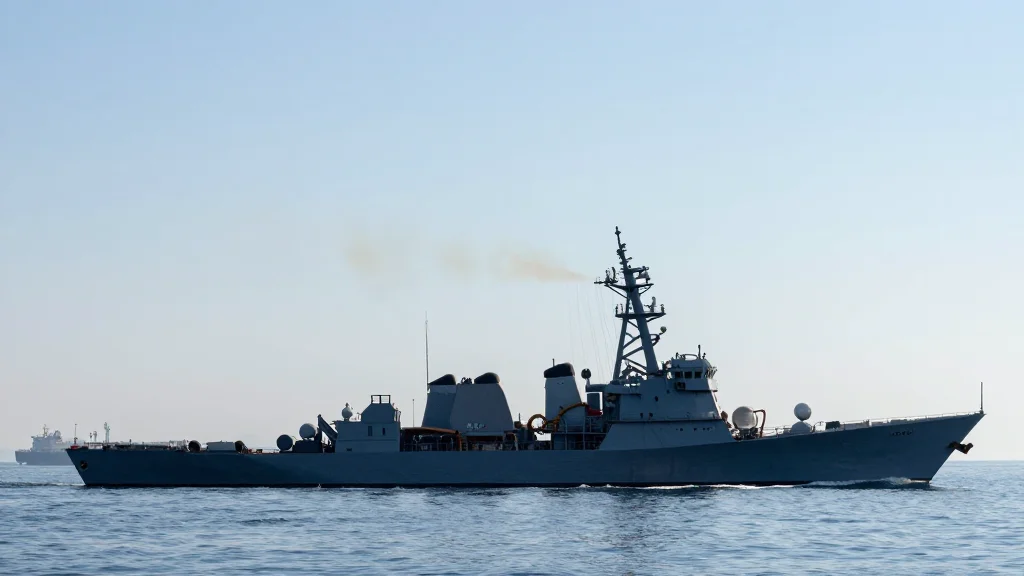
Crude Futures Rise on Reported US Vessel Attack: Update
Companies Mentioned
Why It Matters
The episode shows how quickly geopolitical rumors can inflate oil prices, highlighting the market’s sensitivity to Middle‑East security risks and the importance of credible official communication for stabilizing energy markets.
Key Takeaways
- •Brent July futures surged over $5/barrel after missile attack reports
- •Prices peaked at $114.30/barrel, a 5.7% rise since May 1
- •US CENTCOM denied any Navy vessel was struck, causing price pullback
- •Tensions in Strait of Hormuz could disrupt global oil supply chains
- •Project Freedom aims to protect merchant traffic without naval escorts
Pulse Analysis
The Strait of Hormuz remains one of the world’s most volatile chokepoints, funneling roughly 20% of daily global oil throughput. Any hint of conflict there instantly reverberates through futures markets, as traders price in the possibility of supply interruptions. The recent claim that a U.S. Navy frigate was hit by missiles near Iran’s Jask island sparked a rapid rally in Brent crude, underscoring how fragile market sentiment can be when geopolitical narratives emerge without verification. Analysts note that even unconfirmed incidents can trigger a risk premium, especially when they involve major powers.
Brent’s front‑month July contract jumped more than $5 per barrel, climbing to $114.30, a 5.7% increase from the start of the month. The surge reflected a classic ‘fear‑of‑disruption’ trade, where buyers seek physical exposure or hedge against potential flow constraints. However, once U.S. Central Command publicly refuted the missile strike, the price retreated, illustrating the market’s sensitivity to official confirmations. This bounce‑back also highlights the role of real‑time intelligence and social‑media statements in shaping commodity pricing, as traders weigh credible sources against speculative headlines.
The episode arrives amid the U.S. ‘Project Freedom’ operation, which promises to safeguard neutral merchant vessels transiting the Hormuz corridor without deploying dedicated naval escorts. While the initiative aims to de‑escalate tensions, the lack of clear coordination with Iranian forces leaves room for misunderstandings that could reignite confrontations. Energy firms are closely monitoring the situation, as any prolonged disruption could tighten global oil supplies and pressure prices upward. Investors should therefore watch for further diplomatic signals and any concrete changes to naval deployment strategies that could either stabilize or further unsettle the market.
Crude futures rise on reported US vessel attack: Update
Comments
Want to join the conversation?
Loading comments...