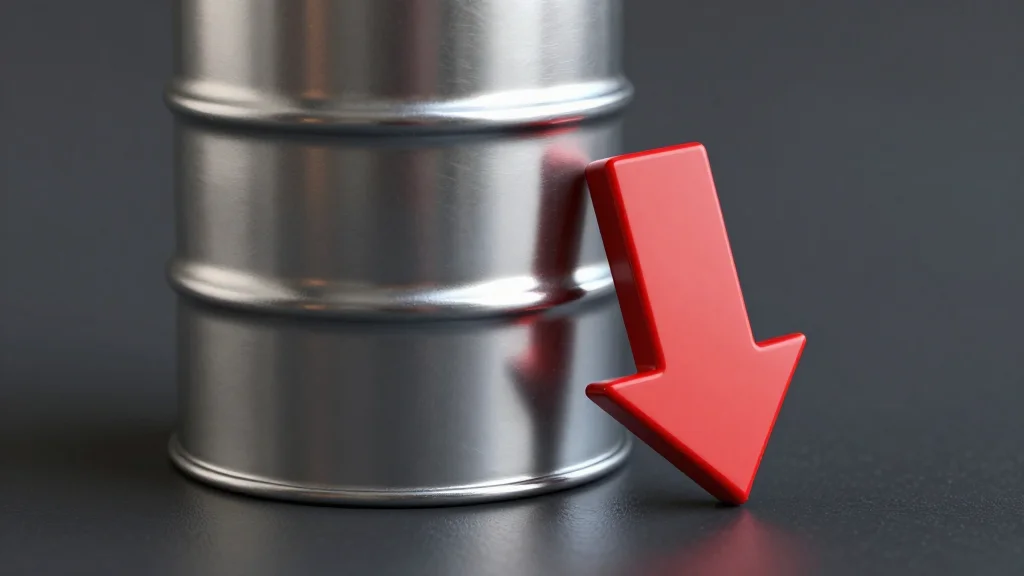
Crude Oil Falls 10% as Strait of Hormuz Opens
Companies Mentioned


Why It Matters
The sudden oil‑price decline removes a key inflation driver, supporting equity markets and opening the door for the Federal Reserve to consider earlier interest‑rate cuts, which could boost consumer spending and corporate earnings.
Key Takeaways
- •Brent fell 10.5% to $89 per barrel after Hormuz reopened
- •S&P 500 rose 1.3% as oil price drop boosted equities
- •Airlines and cruise lines jumped 8‑10% on lower fuel costs
- •Lower oil pressures could prompt Fed to resume rate cuts
Pulse Analysis
The reopening of the Strait of Hormuz marks a pivotal shift in the geopolitics of energy supply. For months, the narrow waterway has been a chokepoint, with tensions between the United States and Iran driving oil premiums and market volatility. Iran’s declaration that the passage is "completely open" under a cease‑fire in Lebanon instantly removed a major supply constraint, sending Brent and U.S. crude tumbling more than 10%. This move not only restores physical flow but also restores confidence among traders that the worst‑case supply shock scenario is receding.
Equity markets reacted sharply to the oil reprieve. The S&P 500 added 1.3%, while the Dow and Nasdaq posted gains of roughly 2% and 1.6% respectively, extending a three‑week rally—the longest streak since Halloween. Sectors with high fuel exposure, such as airlines, cruise lines, and logistics firms, led the upside, with United Airlines up 8.8% and Norwegian Cruise Line climbing 7.8%. Lower fuel costs also eased inflationary pressure on consumer goods, prompting optimism that the Federal Reserve may resume its interest‑rate‑cut cycle, a shift that could lower mortgage and auto‑loan rates and further stimulate spending.
Looking ahead, the market’s enthusiasm is tempered by the underlying fragility of the cease‑fire and the broader U.S.–Iran conflict. While the Hormuz opening provides immediate relief, any resurgence of hostilities could reignite price spikes and reverse recent equity gains. Investors will watch diplomatic signals closely, as well as Fed policy cues, to gauge whether the oil‑price dip will translate into a sustained easing of inflation or remain a short‑lived rally. In the meantime, companies with large fuel bills are likely to enjoy near‑term margin improvements, but the broader macro environment remains contingent on geopolitical stability.
Crude Oil Falls 10% as Strait of Hormuz Opens
Comments
Want to join the conversation?
Loading comments...