Crude Oil Spill Draws Large Response at Nation’s Only Deepwater VLCC Port
•March 8, 2026
0
Why It Matters
The spill tests the emergency response capacity of the only U.S. deep‑water VLCC port, while the parallel development of new export terminals underscores the strategic importance of offshore oil logistics for national energy security.
Key Takeaways
- •31,500 gallons spilled, 27,888 gallons recovered.
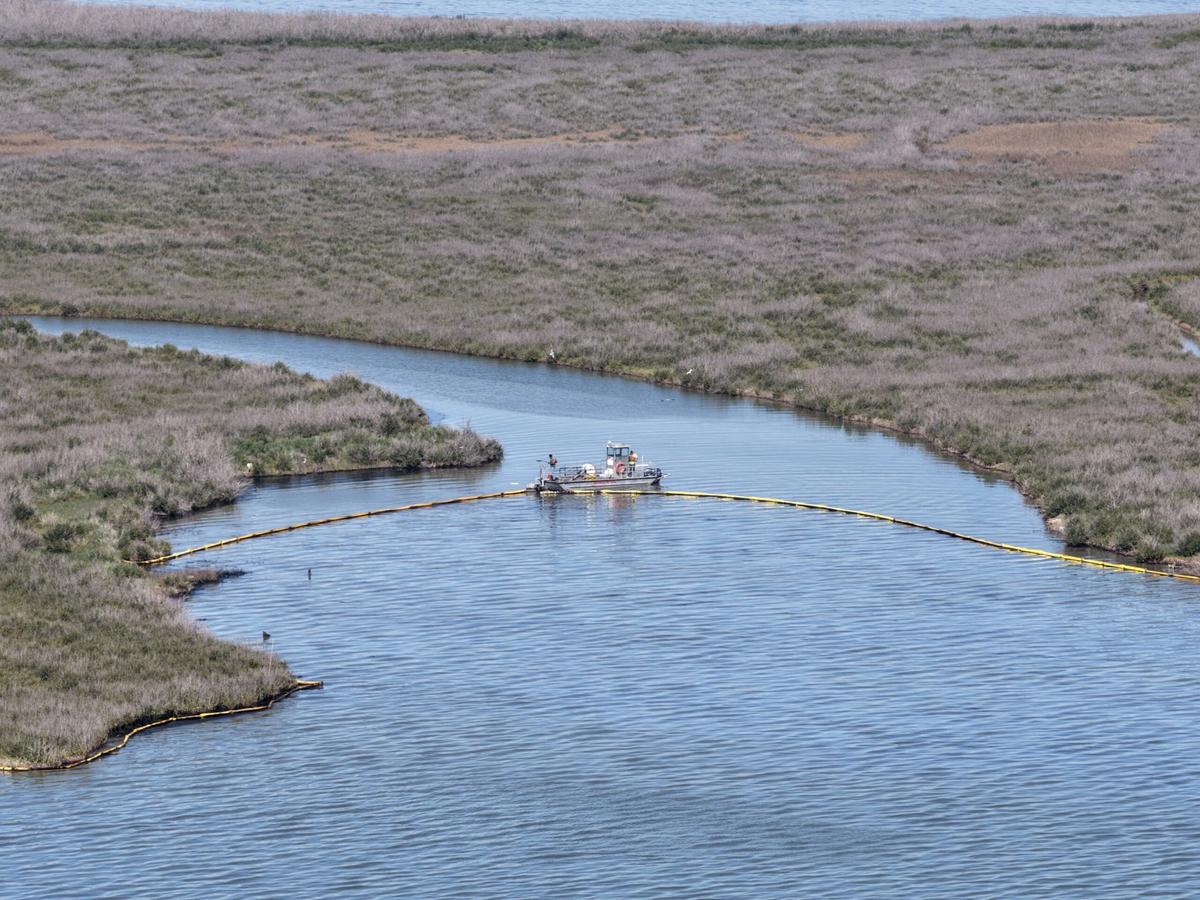
- •464 responders, 60 vessels, 28,300 ft boom deployed.
- •LOOP is only U.S. deep‑water VLCC port.
- •Texas GulfLink deepwater export terminal approved for 2025.
- •Monitoring focuses on birds, shoreline habitats after spill.
Pulse Analysis
The LOOP incident highlights the challenges of operating a single deep‑water VLCC gateway in the Gulf of Mexico. Within days of the February 26 mechanical failure, a Unified Command of the U.S. Coast Guard, LOSCO and LOOP mobilized nearly five hundred responders, leveraging a fleet of vessels, aerial assets and thousands of feet of containment boom. The rapid recovery of over 27,000 gallons demonstrates the effectiveness of coordinated federal‑state efforts, yet the remaining oil and its spread across barrier islands keep the situation fluid, prompting continuous aerial surveillance and water sampling.
Strategically, LOOP’s role as the nation’s only deep‑water import hub makes any disruption highly visible to the broader energy market. The port handles fully loaded Very Large Crude Carriers, feeding domestic refineries and export pipelines. As the United States pushes to expand offshore export capacity, the recent approval of the Texas GulfLink Deepwater Oil Port—designed to load VLCCs directly offshore—signals a shift toward greater self‑sufficiency in crude logistics. This parallel development underscores the delicate balance between scaling infrastructure and ensuring robust spill response mechanisms.
Environmental stakes remain significant. State and federal wildlife agencies are monitoring avian populations and shoreline ecosystems for acute and chronic effects, recognizing that oil exposure can have lasting impacts on breeding grounds and food chains. The incident serves as a reminder that even well‑engineered offshore facilities carry ecological risk, prompting calls for stricter preventive maintenance standards and enhanced real‑time monitoring technologies. As the industry expands, integrating environmental safeguards with operational efficiency will be crucial for maintaining public trust and regulatory compliance.
Crude Oil Spill Draws Large Response at Nation’s Only Deepwater VLCC Port
0
Comments
Want to join the conversation?
Loading comments...