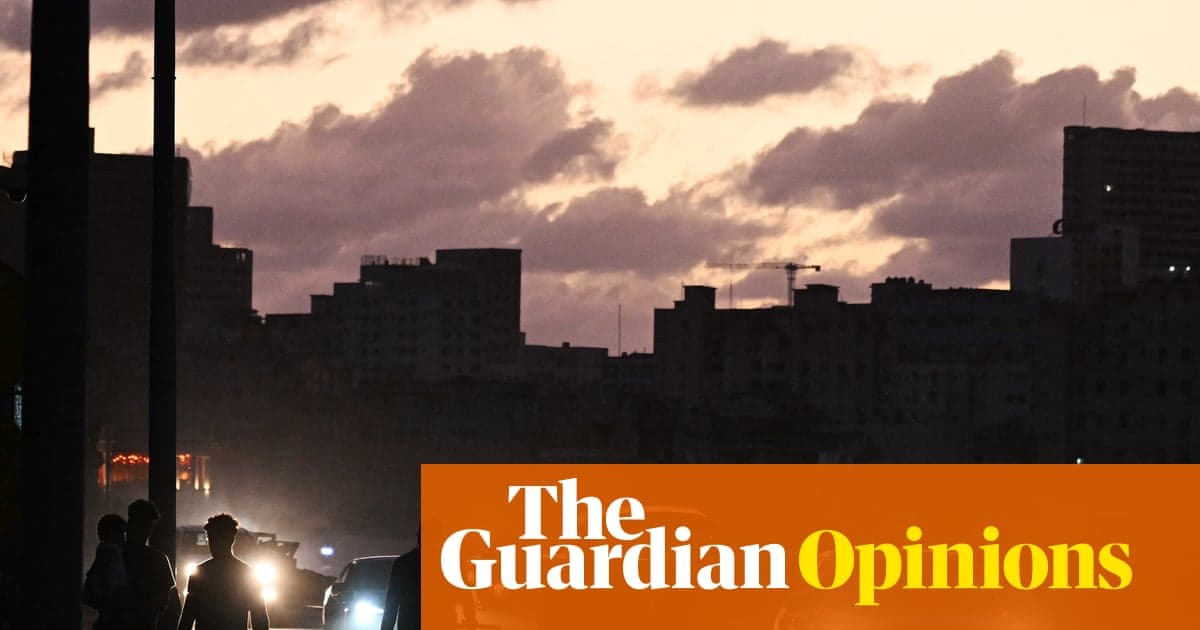
Cuba Is Running Out of Time. We Need Fuel Now to Save Lives | Francisco Pichón
Why It Matters
Fuel scarcity directly endangers life‑saving medical services, turning an energy shortfall into a public‑health emergency and amplifying humanitarian needs across Cuba.
Key Takeaways
- •Tens of thousands of surgeries postponed due to power outages
- •Hospitals lack fuel for water, food services, and ambulance operations
- •UN expanded Hurricane Melissa plan, seeking $24 million for aid
- •Fuel shortages hinder transport of humanitarian supplies across Cuba
- •Dialysis, cancer treatment, and neonatal care risk collapse without fuel
Pulse Analysis
The current energy crisis in Cuba illustrates how a shortage of a single commodity—fuel—can cascade into a full‑scale humanitarian emergency. Power outages have forced hospitals to delay tens of thousands of surgeries, suspend prenatal clinics, and limit dialysis and oncology treatments. Without reliable electricity, critical infrastructure such as water pumps, kitchen facilities, and ambulance fleets cannot operate, turning routine care into a race against time for patients across the island.
International response has coalesced around the United Nations’ expanded Hurricane Melissa plan, which already secured about $24 million to address immediate needs. Yet UN officials stress that financial resources alone are insufficient; the logistics of moving aid depend on a steady flow of diesel and gasoline. Fuel shortages cripple port operations, road transport, and the distribution of medical supplies, leaving remote provinces especially vulnerable. The plan’s success hinges on securing enough fuel to keep humanitarian convoys moving and to power essential health services.
Long‑term resolution will require more than emergency shipments. Cuba’s broader economic fragility, exacerbated by external constraints and limited domestic production, means that sustainable energy solutions are essential to prevent recurring crises. Investing in diversified power sources, improving grid resilience, and establishing regional fuel stockpiles could mitigate future disruptions. For policymakers and aid organisations, the Cuban case underscores the strategic importance of integrating energy security into humanitarian planning, ensuring that life‑saving services remain functional even when the grid fails.
Cuba is running out of time. We need fuel now to save lives | Francisco Pichón
Comments
Want to join the conversation?
Loading comments...