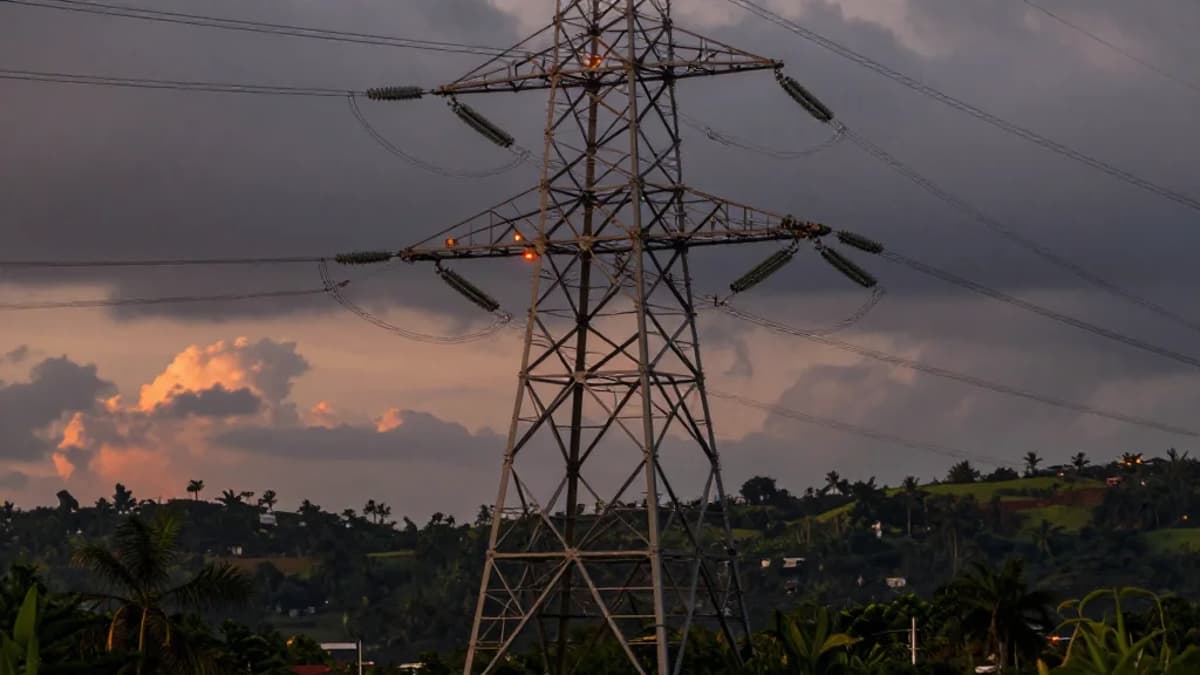
Cuba Suffers Widespread Power Outage After Guiteras Plant Failure: Timeline of the National Grid Restoration
•March 5, 2026
0
Why It Matters
The incident exposes the vulnerability of Cuba’s aging thermal‑plant‑dependent grid and underscores the urgent need for more resilient, diversified energy infrastructure.
Key Takeaways
- •Boiler explosion shut down Guiteras thermoelectric plant
- •Restoration relied on micro‑islands and diesel generators
- •Havana power rose from 2.5% to 35% within 24 hours
- •40 MW supplied by Energas Boca de Jaruco unit
- •Full grid interconnection achieved by March 5 06:30 a.m.
Pulse Analysis
Cuba’s power system has long leaned on a handful of aging thermal plants, many built during the Soviet era, to meet the island’s electricity demand. Limited investment in modern generation and transmission assets has left the grid susceptible to single‑point failures, especially in critical components like the lower‑boiler section of the Antonio Guiteras plant. When a pipe rupture triggered a fire and forced the unit offline, the ripple effect knocked out a swath of the national grid, highlighting the systemic fragility that hampers economic stability and public services.
The response unfolded in a tightly coordinated cascade of emergency actions. Authorities quickly established micro‑islands—localized generation clusters powered by diesel generators and smaller thermal units—to prioritize hospitals, water‑pumping stations and essential commercial zones. Energas Boca de Jaruco ramped up to 40 MW, while diesel plants in Cienfuegos and Varadero supplied critical circuits. Within hours, Havana’s electricity coverage rose from a mere 2.5 % to over 35 %, and by early March 5 the central‑eastern and western sections of the grid were fully re‑synced, restoring power to more than 300,000 capital residents.
The outage serves as a catalyst for Cuba’s broader energy reform agenda. Policymakers are now under pressure to diversify the generation mix, accelerate renewable projects such as solar parks, and modernize grid management to prevent future blackouts. Strengthening inter‑regional transmission links and investing in resilient infrastructure could reduce reliance on single‑point thermal assets, improve service reliability for hospitals and industry, and support the island’s economic recovery in the post‑pandemic era.
Cuba Suffers Widespread Power Outage After Guiteras Plant Failure: Timeline of the National Grid Restoration
0
Comments
Want to join the conversation?
Loading comments...