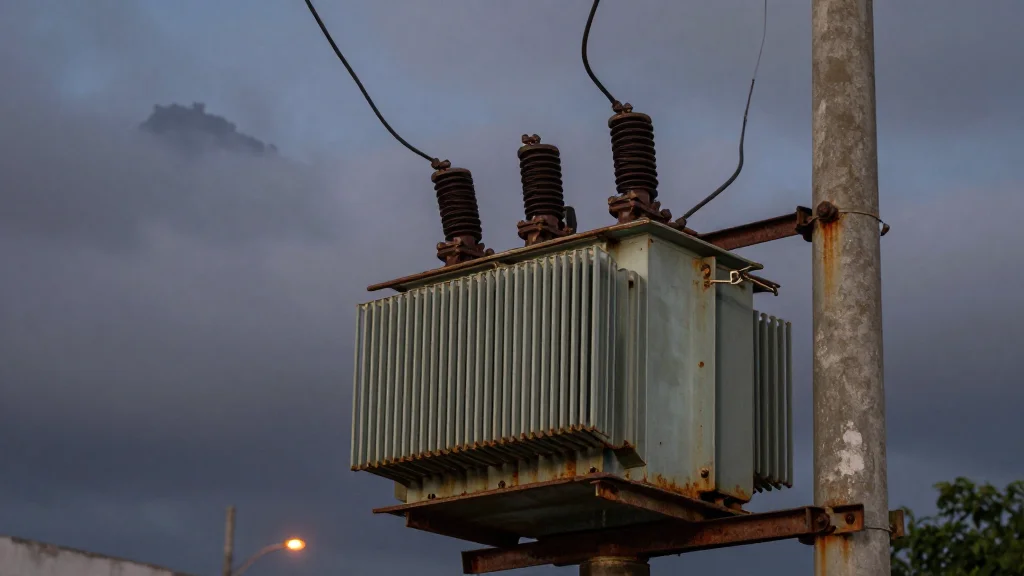
Cuban President Decries U.S. Energy Blockade as Humanitarian Crisis Deepens

Why It Matters
The energy blockade underscores how geopolitical tools can directly impact civilian livelihoods, turning fuel into a weapon of policy. For Cuba, the loss of reliable electricity hampers essential services, threatens public health, and erodes the tourism sector that accounts for a sizable share of GDP. Regionally, the crisis illustrates the fragility of Caribbean energy dependence on imported oil and the potential for sanctions to destabilize neighboring economies. If diplomatic channels succeed, the blockade could be eased, opening space for renewable‑energy partnerships and U.S. investment that would modernize Cuba’s aging grid. Conversely, a prolonged standoff risks deepening Cuba’s economic isolation, pushing it toward alternative allies and complicating U.S. influence in the Western Hemisphere.
Key Takeaways
- •Cuban President Miguel Díaz‑Canel labeled the U.S. fuel restrictions a "cruel" energy blockade
- •Fuel imports have reportedly fallen ~40% since the latest sanctions, causing widespread blackouts
- •Díaz‑Canel urged "respectful dialogue on equal footing" to lift the blockade
- •U.S. lawmakers are reportedly planning a visit to assess the humanitarian impact
- •The blockade threatens regional Caribbean energy security and could shift Cuba toward non‑Western suppliers
Pulse Analysis
The Cuban energy blockade is a textbook case of sanctions weaponized against a small, import‑dependent economy. Historically, U.S. embargoes have leveraged oil and fuel to exert pressure, but the current iteration is more acute, targeting the island’s power infrastructure at a time when global energy markets are already volatile. The immediate effect is a sharp contraction in electricity availability, which cascades into health, education, and tourism—sectors that are already fragile.
From a strategic standpoint, the blockade serves dual purposes for Washington: it signals disapproval of Cuba’s political alignment while also testing the limits of economic coercion in an era where alternative energy suppliers are increasingly accessible. However, the policy risks backfiring. As Cuba looks to Russia, Venezuela, or even Chinese firms for fuel and renewable‑energy technology, the U.S. may inadvertently accelerate the island’s pivot away from American influence. This shift could reshape trade flows in the Caribbean, with long‑term implications for regional energy markets.
The diplomatic overture by Díaz‑Canel, emphasizing cooperation on migration, science, and renewable energy, hints at a potential opening for a pragmatic, energy‑focused dialogue. If U.S. lawmakers can translate their on‑the‑ground assessments into policy adjustments, there is a narrow window for de‑escalation. A calibrated easing of the blockade, paired with joint renewable‑energy projects, could not only alleviate the humanitarian crisis but also re‑anchor Cuba within a U.S.-centric energy ecosystem, preserving strategic interests while mitigating humanitarian fallout. The coming weeks will reveal whether energy becomes a bridge or a barrier in U.S.–Cuba relations.
Cuban President Decries U.S. Energy Blockade as Humanitarian Crisis Deepens
Comments
Want to join the conversation?
Loading comments...