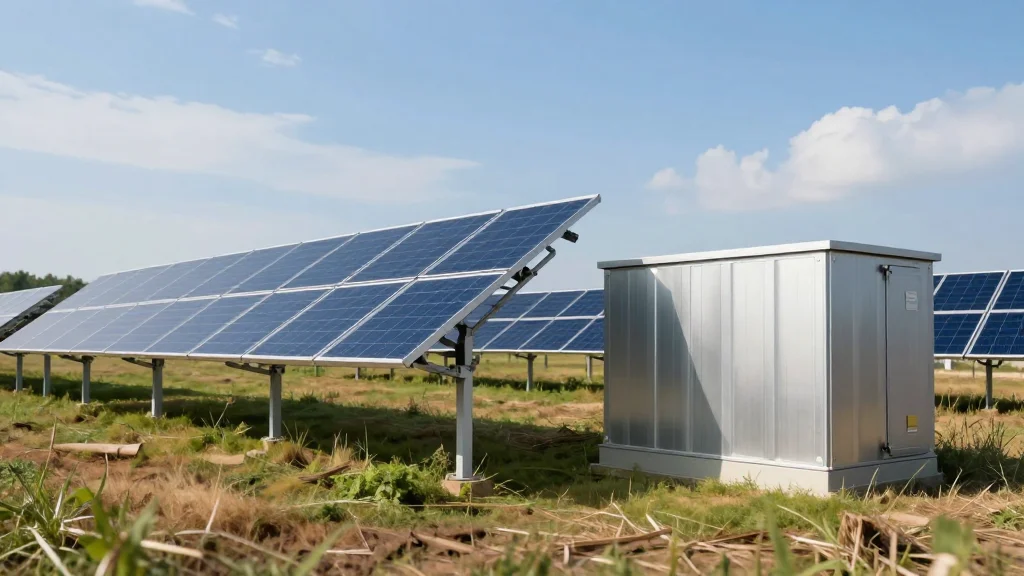
Czechia Considers Stop to Double Taxation on Solar, Storage Projects
Why It Matters
By cutting tax and regulatory hurdles, the reforms could boost investment in Czech solar‑plus‑storage projects, helping the nation meet EU renewable‑energy goals and improve grid stability.
Key Takeaways
- •Threshold for electricity tax raised from 50 kW to 100 kW.
- •Double taxation on co‑located solar and battery storage eliminated.
- •Proposal backed by Czech Economic Committee, likely to pass this year.
- •Could accelerate solar build‑out, supporting 5.5 GW cumulative capacity.
- •Streamlined permitting aligns with EU renewable targets.
Pulse Analysis
Czech policymakers are moving to untangle fiscal and administrative obstacles that have slowed the deployment of mid‑size solar farms. The Economic Committee’s backing of a Building Act amendment will double the electricity‑tax exemption limit, lifting it from 50 kW to 100 kW, while a parallel provision eliminates the double‑tax burden on battery storage installed alongside photovoltaic systems. These tweaks are designed to streamline the permitting pipeline and provide clearer cost signals for developers, a crucial step as the country finalises its renewable‑energy roadmap.
The reforms arrive at a pivotal moment for the Czech renewable market, which added 696 MW of solar capacity in 2025, bringing total installed PV to roughly 5.5 GW. By easing tax liabilities and removing overlapping charges for storage, the legislation makes solar‑plus‑storage projects financially more attractive, encouraging both domestic investors and foreign capital to target the region. The integration of batteries is especially valuable for grid operators seeking to balance intermittent generation, aligning with the European Union’s 2030 renewable targets and the Czech Republic’s own energy‑security objectives.
Regionally, the Czech initiative positions the country ahead of several Central‑European peers still grappling with fragmented tax regimes and cumbersome licensing. If enacted, the law could spur a wave of new installations, catalysing job creation in construction, engineering, and battery manufacturing. However, successful implementation will depend on swift parliamentary approval and effective coordination between the Ministry of Industry and the Finance Ministry to ensure the revised thresholds translate into tangible market incentives.
Czechia considers stop to double taxation on solar, storage projects
Comments
Want to join the conversation?
Loading comments...