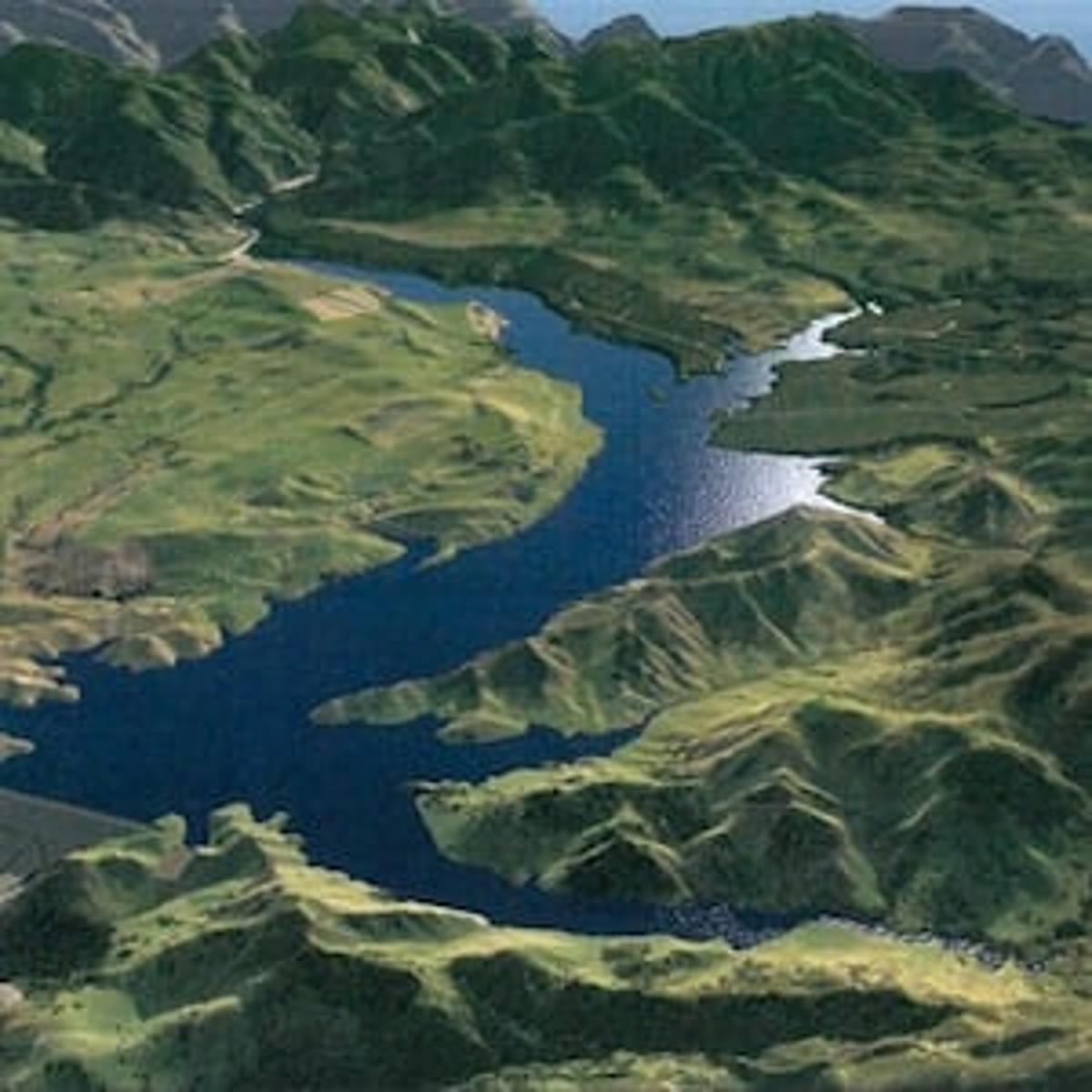
Dam Opponents Urge Hawke’s Bay Regional Council to Halt Funding for Makaroro River Project
Why It Matters
The dispute highlights how large‑scale water‑storage projects can strain local finances and spark community backlash, influencing regional infrastructure decisions and ratepayer exposure.
Key Takeaways
- •828‑person petition urges council to block dam funding
- •Government loan of NZ$18 million (~US$10.8 million) approved for project
- •Opponents claim environmental‑flow subsidy could raise council rates 10 %
- •Proponents argue water storage essential to prevent regional business exodus
- •Council has not received formal funding request yet
Pulse Analysis
New Zealand’s Central Hawke’s Bay region faces a familiar crossroads: balancing water security against fiscal prudence. The Tukituki Water Security Project, a revived dam concept on the Makaroro River, promises to capture and store water for drought‑prone farms and towns. Yet the plan resurrects the controversy of the abandoned Ruataniwha Dam, a scheme that previously drew NZ$20 million (≈US$12 million) of regional funding before being shelved amid environmental and community concerns. As climate variability intensifies, regional bodies are under pressure to secure reliable water supplies, prompting governments to allocate substantial loans for such infrastructure.
The latest flashpoint is an 828‑strong petition delivered by former councillor Paul Bailey and the Wise Water Use Hawke’s Bay group, demanding that the council publicly refuse any further ratepayer contributions. Petitioners contend that the project’s financial model hinges on public subsidies for “environmental flows” – an estimated 20 million cubic metres of water – which could inflate council rates by roughly 10 %. The government’s NZ$18 million (≈US$10.8 million) loan from the Regional Infrastructure Fund adds another layer of public exposure, even though the project’s promoters, led by Mike Petersen, assert no formal funding request has been made. This tug‑of‑war underscores how water‑storage initiatives can become fiscal flashpoints when cost‑sharing mechanisms are unclear.
Beyond the local dispute, the debate mirrors a broader national trend where regional councils grapple with water scarcity, economic competitiveness, and community consent. Neighboring regions such as Gisborne and Wairarapa have already secured storage solutions, prompting Hawke’s Bay officials to warn of potential business migration if they fall behind. The outcome of this petition could set a precedent for how New Zealand’s regional bodies evaluate public‑funded infrastructure, balancing environmental stewardship, ratepayer protection, and the strategic need for water resilience in a changing climate.
Dam opponents urge Hawke’s Bay Regional Council to halt funding for Makaroro River project
Comments
Want to join the conversation?
Loading comments...