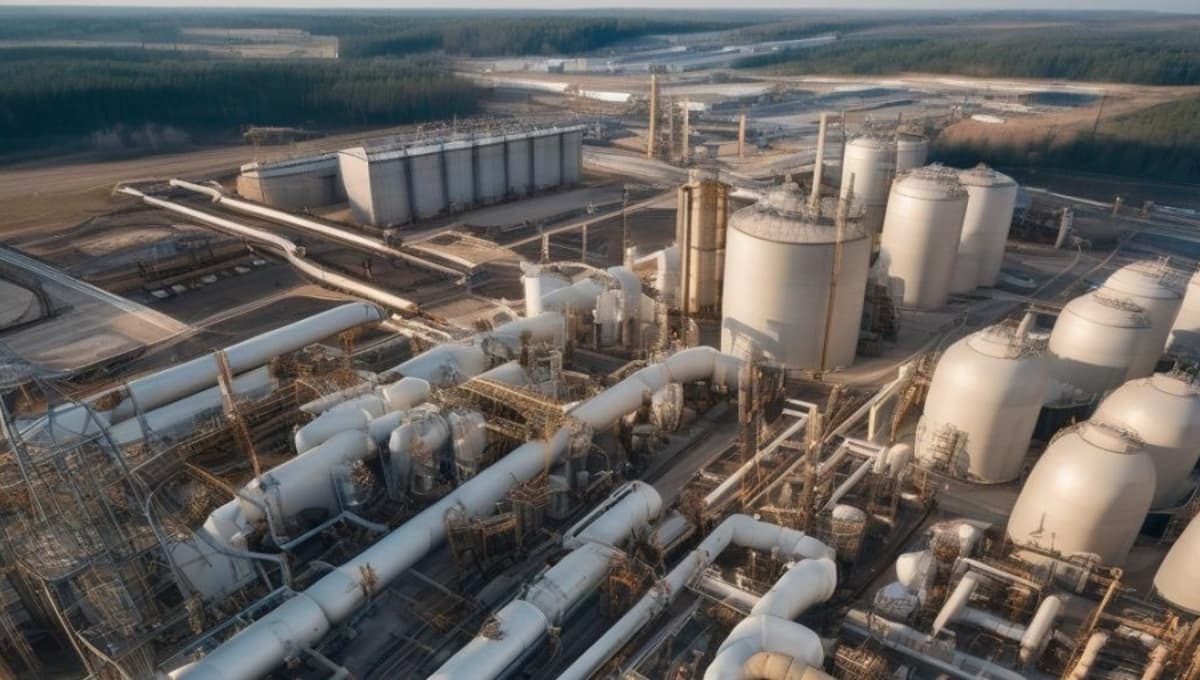
Dangote Refinery Sues to Halt Nigeria Petrol Imports Amid Market Battle
Why It Matters
The lawsuit could determine whether Nigeria’s fuel supply will rely on imports or on the expanding domestic refining capacity, directly affecting foreign‑exchange outflows and market stability. It also sets the commercial backdrop for Dangote’s high‑profile multibillion‑dollar IPO.
Key Takeaways
- •Dangote sues to void licences for 720,000 tonnes imports
- •Import licences cover six marketers, 960 mn litres of petrol
- •Regulator says imports needed until refinery meets demand
- •IPO aims for $40‑50 bn valuation, 5‑10% stake
- •Critics warn lawsuit could destabilize downstream market
Pulse Analysis
Nigeria’s fuel market has long depended on imported gasoline despite being Africa’s top crude producer. The opening of Dangote’s $20 billion, 650,000‑barrel‑per‑day refinery marked a turning point, yet the plant still processes only about 56% of its crude feed domestically. As the refinery pushes toward its 1.4 million‑bpd expansion goal, the balance between imported and locally refined petrol has become a flashpoint for policy and commercial interests.
The legal challenge centers on the Petroleum Industry Act, which permits imports only when a supply shortfall is demonstrated. Dangote argues that the licences granted to NIPCO, AA Rano, Matrix Energy, Shafa, Pinnacle Oil and Bono Energy—totaling roughly 960 million litres—violate that provision and erode the refinery’s market share. The Nigerian Midstream and Downstream Petroleum Regulatory Authority counters that imports remain essential to prevent shortages until the refinery can reliably meet national demand. Stakeholders fear that a court‑ordered halt could create concentration risk, inflating prices and straining logistics, while the refinery views the suit as a defense of its commercial viability.
Beyond the immediate dispute, the case signals broader shifts in Nigeria’s energy strategy. A successful move to curb imports would accelerate the country’s drive toward energy self‑sufficiency and reduce pressure on foreign‑exchange reserves, a priority for President Tinubu’s administration. Simultaneously, Dangote’s planned IPO—targeting a $40‑$50 billion valuation—will test investor appetite for large‑scale African infrastructure assets, potentially setting a benchmark for future capital‑market listings across the continent.
Dangote refinery sues to halt Nigeria petrol imports amid market battle
Comments
Want to join the conversation?
Loading comments...