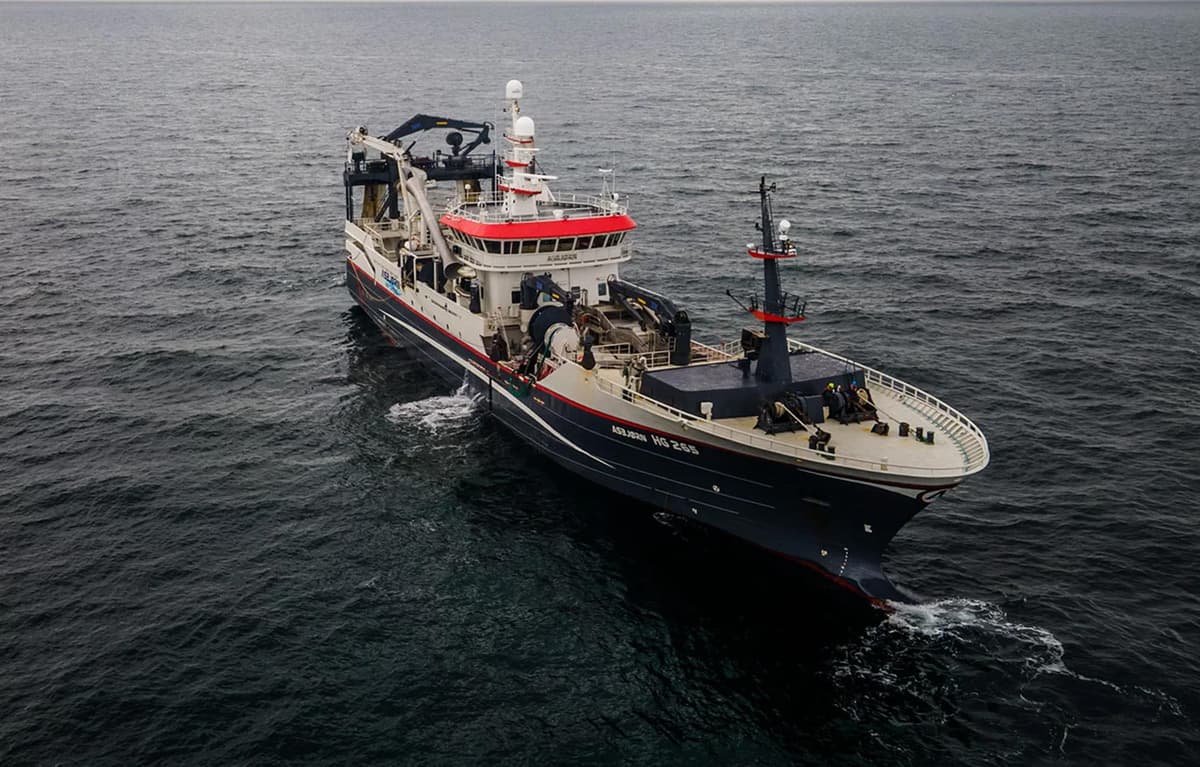
Danish Pelagic Fleet Showing Increased Interest in Greener Gear as Fuel Crisis Lingers On
Why It Matters
Rising fuel costs turn sustainability from a long‑term ideal into an immediate economic necessity, reshaping investment decisions across Europe’s largest fishing fleet. Policy flexibility will determine how quickly the sector can meet climate goals while remaining competitive.
Key Takeaways
- •Fuel price surge doubles ROI for onboard electricity generation
- •DPPO targets net‑zero emissions by 2040 across Danish pelagic fleet
- •Modern vessels (<10 years) already efficient, easing green tech integration
- •Industry urges EU to relax ownership limits for faster green transition
- •Short‑term cost pressures may accelerate long‑term sustainability investments
Pulse Analysis
The Danish Pelagic Producers Organization (DPPO) has long championed a 2040 net‑zero ambition, but the recent spike in fuel prices caused by the Iran conflict has shifted the calculus for its members. When diesel costs double, the economics of generating electricity on board versus refueling at port swing dramatically, creating a clear business case for investing in intelligent trawl doors, hybrid propulsion, and shore‑side electrification. This price shock is prompting fishers—who capture roughly 10 percent of the EU’s total catch—to reconsider capital expenditures that were previously deemed marginal.
DPPO’s fleet is uniquely positioned to adopt these innovations. With an average vessel age of less than a decade, Danish pelagic boats already boast modern engines, efficient lighting, and advanced heating systems. Such baseline efficiency reduces the incremental cost of retrofitting green technologies, allowing operators to capture fuel savings more quickly. However, the sector’s growth is hampered by restrictive ownership legislation that treats fishing as a cultural activity rather than a commercial enterprise. Sverdrup‑Jensen argues that loosening these rules would empower owners to invest confidently in the next wave of low‑carbon solutions.
The broader implications extend beyond Denmark. As Europe tightens sustainability standards and consumers demand responsibly sourced seafood, the ability of the pelagic fleet to lower emissions will influence market access and pricing power. A greener, cost‑effective fleet could set a benchmark for other EU fishing nations, prompting coordinated policy reforms and encouraging private capital to flow into maritime clean‑tech. In this environment, short‑term fuel volatility may become the catalyst that accelerates long‑term climate resilience across the global seafood supply chain.
Danish pelagic fleet showing increased interest in greener gear as fuel crisis lingers on
Comments
Want to join the conversation?
Loading comments...