Daytime Power Supply Now Reaches Farmers in 24 Districts, Says Rajasthan CM
Why It Matters
Ensuring reliable daytime power boosts farm productivity and supports Rajasthan’s renewable‑energy transition, setting a benchmark for other Indian states.
Key Takeaways
- •Daytime electricity now available to farmers in 24 Rajasthan districts
- •State aims for full daytime power coverage by 2027
- •Pump‑storage highlighted as low‑cost, long‑term energy solution
- •Battery storage projects to aid clean‑energy grid integration
- •Transmission losses falling as generation capacity rises
Pulse Analysis
Rajasthan’s recent rollout of daytime electricity to farmers marks a pivotal shift in the state’s energy policy. Historically, many agricultural regions relied on erratic power, forcing growers to depend on diesel generators or operate only at night. By extending daytime supply to 24 districts, the government not only mitigates production losses but also aligns with India’s broader goal of improving rural electrification. The move reflects a strategic response to rising demand for reliable power in a state that contributes significantly to the nation’s wheat and mustard output.
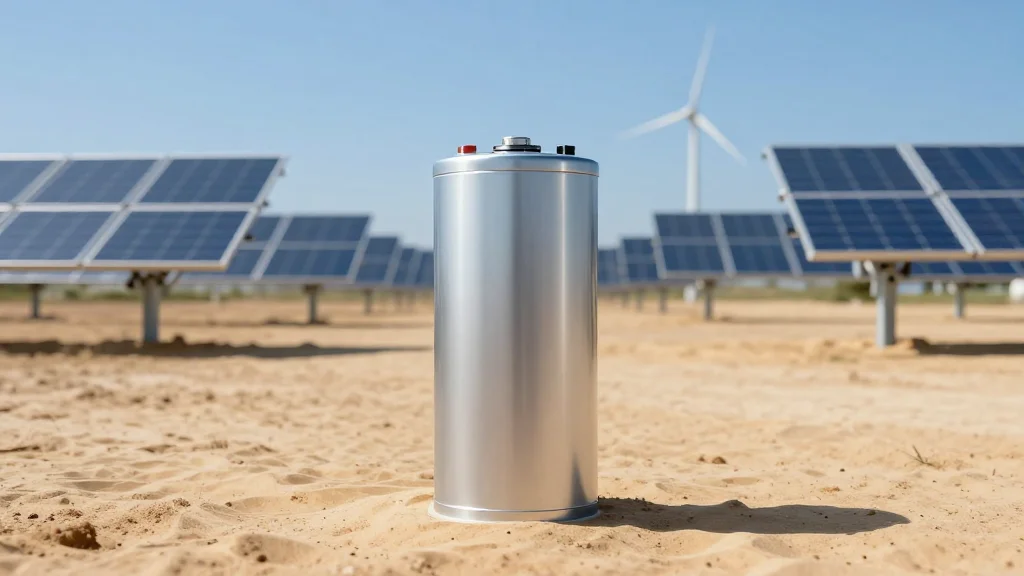
At the core of the initiative are pump‑storage and battery‑storage projects, which Sharma highlighted as essential for a resilient grid. Pump‑storage facilities store excess renewable generation during low‑demand periods and release it when needed, offering a low‑cost, long‑term alternative to fossil‑fuel peaker plants. Complementary battery systems provide rapid response capabilities, smoothing the integration of solar and wind farms that have proliferated across Rajasthan’s desert landscape. Accelerating these projects is expected to reduce reliance on imported fuels, lower operating costs for farmers, and improve overall grid stability.
The broader implications extend beyond agriculture. As transmission and distribution losses decline and generation capacity rises, Rajasthan positions itself as a model for clean‑energy adoption in India’s agrarian states. Reliable daytime power can spur agro‑processing industries, attract investment, and enhance rural livelihoods. Moreover, the state’s timeline—full coverage by 2027—offers a clear roadmap for policymakers elsewhere seeking to balance renewable growth with the practical needs of farming communities.
Daytime power supply now reaches farmers in 24 districts, says Rajasthan CM
Comments
Want to join the conversation?
Loading comments...