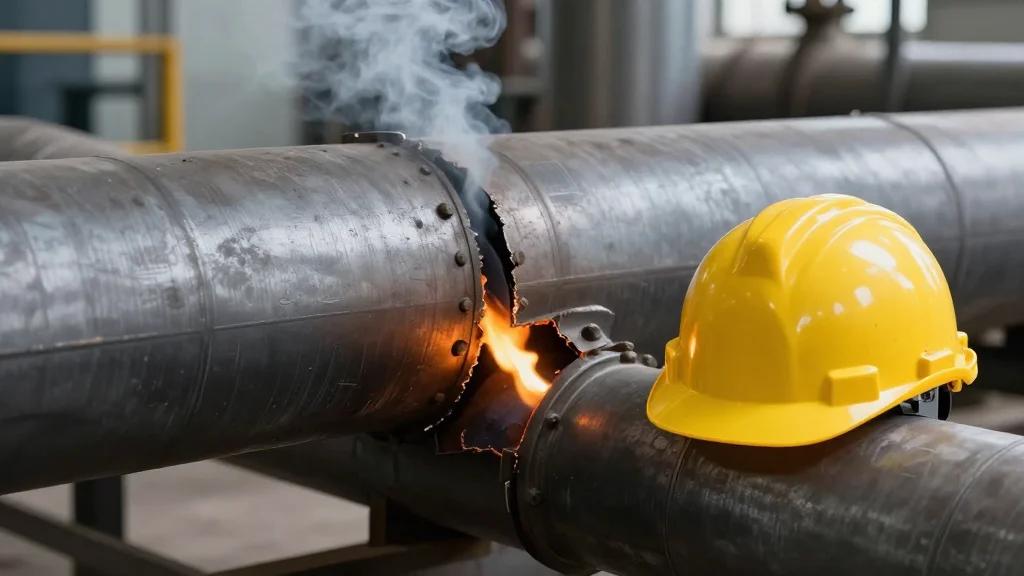
Death Toll From Boiler Explosion at Vedanta’s India Coal Power Plant Rises to 24, Triggers Probes
Why It Matters
The incident underscores critical gaps in boiler safety oversight at privately owned Indian coal plants, raising regulatory scrutiny and potential liability for Vedanta and its contractors. It also highlights systemic human‑error risks that could affect the broader thermal power sector’s reliability and investment climate.
Key Takeaways
- •Death toll reached 24, with 36 severe burn injuries
- •Explosion traced to furnace over‑pressure and rushed load increase
- •Vedanta acquired plant for $68 million in 2022 stressed‑asset deal
- •Multiple criminal and technical probes launched under India’s new penal code
- •Past Indian boiler blasts highlight recurring human‑error and maintenance failures
Pulse Analysis
The Vedanta boiler explosion has sent shockwaves through India’s coal‑power landscape, not only because of the tragic loss of 24 lives but also due to the timing. Unit 1, a 600‑MW supercritical boiler that entered commercial service in mid‑2025, was still in the early stages of operational maturity when a high‑pressure steam tube failed. Preliminary forensic findings point to an accumulation of unburnt coal fuel and a malfunctioning primary‑air fan, which together created a pressure surge that exceeded design limits. Operators allegedly ignored warning signs and accelerated the unit’s load from 350 MW to near‑full capacity within an hour, a decision that amplified the furnace‑pressure excursion and triggered the catastrophic rupture.
Beyond the immediate human cost, the blast has ignited a multi‑layered investigative response. Local police have filed a criminal FIR under sections covering negligent homicide and machinery misconduct, naming senior Vedanta executives and contractor personnel. Parallel technical inquiries by the state chief boiler inspector, the Forensic Science Laboratory, and a central expert panel comprising BHEL and NTPC engineers aim to dissect equipment integrity, control‑system performance, and maintenance records. The magisterial inquiry, mandated to report within 30 days, will evaluate whether existing safety inspections were adequate, a question that resonates with earlier Indian incidents at NTPC’s Unchahar plant (2017) and NLC’s Neyveli station (2020), both of which revealed systemic lapses in operational discipline.
For investors and policymakers, the incident raises red flags about the viability of aging coal assets and the robustness of safety governance in a sector under pressure to transition to cleaner energy. Vedanta’s $68 million acquisition of the plant was part of a broader strategy to secure baseload capacity, yet the tragedy could prompt tighter regulatory mandates, higher insurance premiums, and renewed calls for independent safety audits across the industry. As India pushes for increased renewable integration, the episode may accelerate discussions on de‑risking coal‑plant portfolios, reinforcing the need for stringent operational protocols and real‑time monitoring to prevent similar catastrophes in the future.
Death Toll From Boiler Explosion at Vedanta’s India Coal Power Plant Rises to 24, Triggers Probes
Comments
Want to join the conversation?
Loading comments...