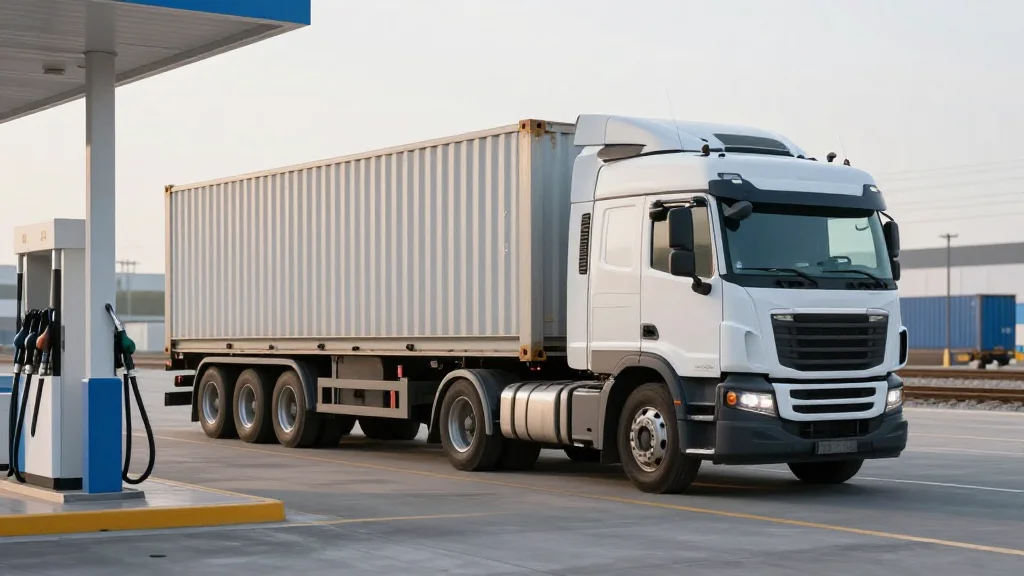
Dedicated Fleets’ Push to Natural Gas Engines Speeding Up
Companies Mentioned
Why It Matters
Natural‑gas trucks give dedicated fleets a low‑cost, low‑emission alternative to diesel, strengthening their competitive edge and supporting industry‑wide decarbonization goals.
Key Takeaways
- •Cummins X15N engine enables cost‑parity natural‑gas trucks for long haul
- •J.B. Hunt operates ~200 CNG trucks, adding 15‑liter engines in 2025
- •Midwest Logistics plans 100 RNG‑powered units, supporting Schneider’s sustainability goals
- •Clean Energy Fuels now has 600+ RNG stations, expanding coast‑to‑coast coverage
- •RNG accounts for 94% of natural‑gas truck fuel usage in 2025
Pulse Analysis
The trucking sector is at a tipping point as natural‑gas engines achieve cost parity with diesel, a shift driven by volatile diesel markets and tightening emissions regulations. Operators that once viewed compressed natural gas (CNG) solely as a cheap fuel now see renewable natural gas (RNG) as a viable pathway to meet customer sustainability mandates. By leveraging the price stability of natural gas, carriers can lock in predictable operating costs, a compelling advantage for long‑haul routes where fuel expense dominates the cost structure.
Cummins' X15N engine, introduced in 2024, has become the catalyst for broader adoption. Integrated into flagship models from Freightliner, Peterbilt and Kenworth—collectively responsible for two‑thirds of U.S. Class 8 sales—the engine delivers the power and durability required for dedicated and intermodal routes. Companies such as Midwest Logistics (a Schneider subsidiary) are scaling to 100 RNG‑powered trucks, while J.B. Hunt has already fielded roughly 200 CNG units and is adding 15‑liter X15N rigs. Sagepoint Logistics plans a dedicated fleet of 60 Freightliner Cascadias powered exclusively by RNG, underscoring the growing confidence in the technology.
Infrastructure is keeping pace, with Clean Energy Fuels operating more than 600 RNG stations nationwide, a network that now covers key corridors from California to Michigan. In 2025, RNG supplied 94% of the fuel used by natural‑gas trucks, reflecting both market preference and the expanding supply chain for waste‑to‑energy derived gas. As fleets lock in long‑term RNG contracts, they not only reduce carbon intensity but also mitigate exposure to diesel price shocks, positioning natural‑gas powertrains as a strategic asset in the evolving logistics landscape.
Dedicated Fleets’ Push to Natural Gas Engines Speeding Up
Comments
Want to join the conversation?
Loading comments...