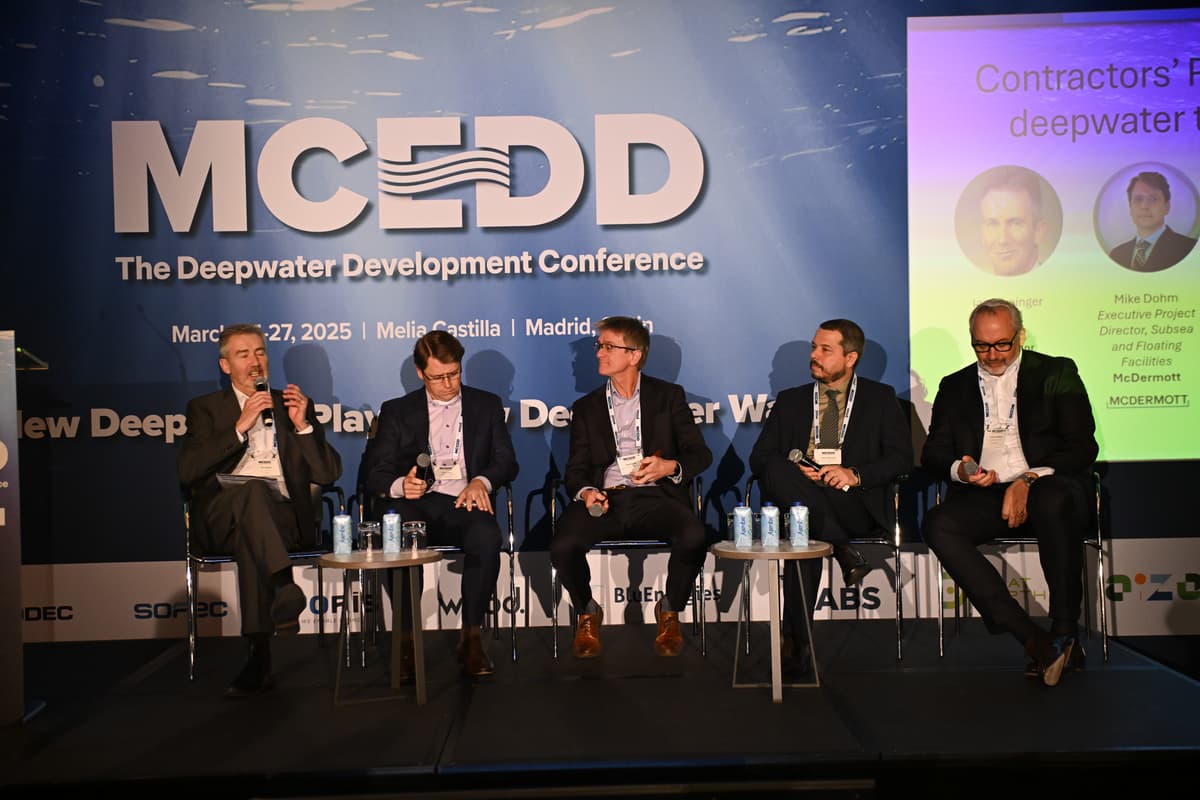
Deepwater Development Conference to Get Underway with Great Momentum
•March 10, 2026
0
Companies Mentioned
Why It Matters
The conference underscores accelerating capital into deepwater projects and showcases emerging technologies that could redefine offshore efficiency and sustainability, influencing market dynamics and investor confidence.
Key Takeaways
- •Deepwater wells forecast up 20.5% this year.
- •Production growth 11.2% outpaces global oil increase.
- •Conference showcases AI, digitalization, carbon‑reduction solutions.
- •Major operators and contractors present latest subsea technologies.
- •Focus on FPSO evolution and floating facility innovations.
Pulse Analysis
Deepwater exploration is entering a period of unprecedented expansion, driven by robust demand for high‑margin reserves and advances in subsea engineering. World Oil’s latest data reveal that six leading deepwater regions are set to drill 20.5% more wells this year, a pace that dwarfs the modest 4.8% rise in overall offshore activity. Production gains of 11.2% in these basins signal not only higher output but also improved recovery techniques, positioning deepwater as a growth engine amid a plateauing global oil market.
The Lisbon conference serves as a barometer for the sector’s technological trajectory. Sessions on artificial intelligence, digital twins, and real‑time data analytics illustrate how operators are leveraging smart tools to cut costs and mitigate risk. Simultaneously, panels on carbon‑capture, low‑flaring practices, and renewable‑integrated FPSOs reflect a concerted push toward decarbonization. By bringing together oil majors, equipment manufacturers, and emerging tech firms, the event accelerates knowledge transfer and fosters collaborations that could shorten project timelines and enhance environmental performance.
For investors and supply‑chain partners, the conference signals a clear shift: deepwater projects are attracting capital with the promise of higher returns and greener footprints. The emphasis on modular subsea components, AI‑driven maintenance, and next‑generation floating production systems suggests a future where project execution becomes faster, safer, and more cost‑effective. Stakeholders who align with these innovations are likely to capture the upside of a sector poised for sustained growth through 2030 and beyond.
Deepwater Development Conference to get underway with great momentum
0
Comments
Want to join the conversation?
Loading comments...