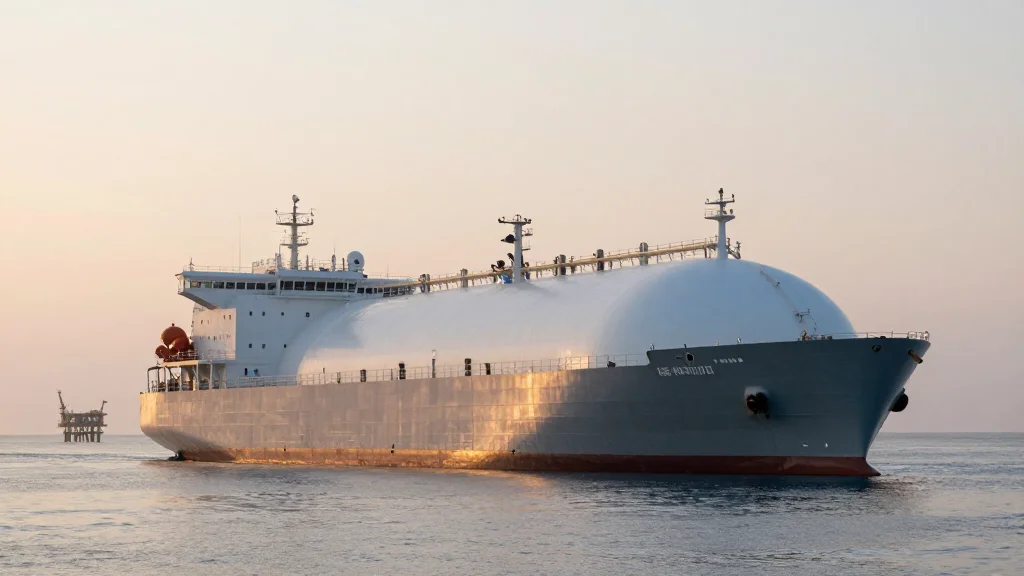
Delfin Takes FID on First Floating Gulf of Mexico LNG Terminal
Companies Mentioned
Why It Matters
The FID unlocks offshore gas resources that were previously uneconomic, expanding U.S. LNG export capacity and reinforcing energy security for global markets. It also validates FLNG as a cost‑effective pathway for rapid offshore development.
Key Takeaways
- •Delfin gave final investment decision for first Gulf FLNG vessel
- •Project targets ~2.5 million tonnes annual LNG capacity
- •Estimated construction cost about $2.2 billion USD
- •Production slated for 2029, expanding US export potential
- •Strengthens Gulf energy hub while minimizing onshore footprint
Pulse Analysis
The United States has become the world’s leading exporter of liquefied natural gas, yet most of its export capacity is tied to on‑shore regasification terminals and large land‑based liquefaction plants. Floating liquefied natural gas (FLNG) technology, pioneered in Brazil and West Africa, offers a way to tap offshore gas reserves without the extensive civil works required on land. By situating the liquefaction train on a vessel, developers can reduce capital outlays, shorten permitting timelines, and bring production closer to deep‑water fields that would otherwise remain stranded.
Delfin, a joint venture that includes Deepwater LNG and the Port of Houston, announced a final investment decision (FID) for the first FLNG unit in the Gulf of Mexico. The 2‑million‑tonne‑per‑year vessel, slated to cost roughly $2.2 billion, will be built by a major European shipyard and is expected to start steaming by late 2028 with first cargo in 2029. The project leverages existing Gulf pipelines and port infrastructure, allowing rapid integration into the U.S. export network while keeping the on‑shore footprint minimal.
The FID marks a turning point for U.S. offshore gas development, signaling investor confidence that FLNG can meet rising global demand for flexible, low‑carbon fuel. Analysts expect the Delfin vessel to free up several billion cubic feet of gas that were previously uneconomic to develop, bolstering supply for Europe’s energy transition and Asian spot markets. As other developers watch the Gulf pilot, the success of Delfin could accelerate a wave of similar floating projects, reshaping the competitive landscape and reinforcing the United States’ position as a reliable LNG supplier.
Delfin Takes FID on First Floating Gulf of Mexico LNG Terminal
Comments
Want to join the conversation?
Loading comments...