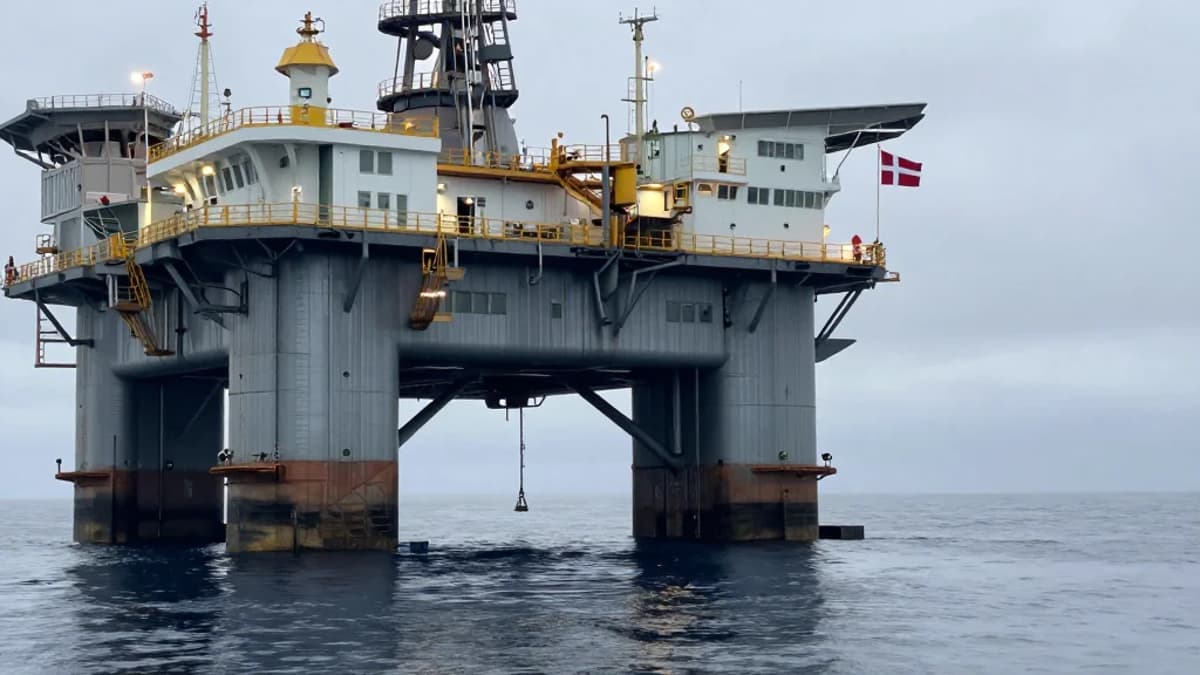
Denmark Considers Extending N Sea Production Licences
•February 23, 2026
0
Why It Matters
Extending licences could secure critical gas supplies for Europe while Denmark navigates its stringent climate commitments, influencing regional energy markets and policy balances.
Key Takeaways
- •Denmark may extend licences to 2050 for energy security
- •Extensions must align with 2020 North Sea Agreement phase‑out plan
- •DUC expresses interest in extending Tyra hub licence
- •Goal balances gas supply with 70% GHG cut by 2030
- •4 bn kroner annually funded from 2034 supports climate targets
Pulse Analysis
Denmark’s contemplation of extending North Sea gas licences reflects a pragmatic response to Europe’s lingering reliance on natural gas amid the continent’s energy transition. While renewables now supply over half of Denmark’s energy mix, the short‑term gap in capacity and the geopolitical imperative for energy independence keep gas in the mix. By proposing extensions up to 2050, the Danish government signals willingness to leverage existing infrastructure, such as the high‑output Tyra hub, to smooth the transition without compromising supply security.
The proposal is tightly bound by the 2020 North Sea Agreement, which obliges Denmark to cease new oil and gas licensing rounds and to phase out extraction by 2050. This framework forces any licence extension to dovetail with the nation’s ambitious climate agenda—70% greenhouse‑gas cuts by 2030 and net‑zero emissions by 2045. The Danish underground consortium’s positive reception underscores industry confidence that a calibrated extension can coexist with aggressive decarbonisation, especially as the consortium explores low‑carbon technologies and carbon‑capture options to mitigate emissions from continued production.
Financially, the plan dovetails with Denmark’s allocation of 4 bn kroner per year from 2034 to fund climate initiatives, ensuring that extended fossil production is paired with substantial investment in green solutions. For investors and policymakers, the move offers a case study in balancing short‑term energy security with long‑term sustainability goals, potentially shaping similar strategies across the EU as it seeks to reduce reliance on external gas imports while meeting its own climate commitments.
Denmark considers extending N Sea production licences
0
Comments
Want to join the conversation?
Loading comments...