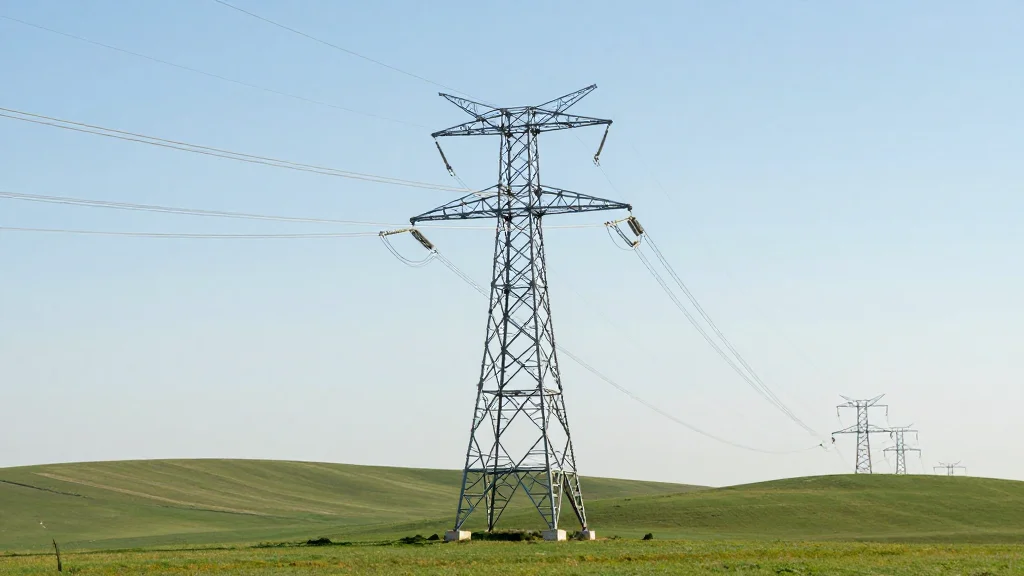
DESNZ: Pylons the 'Fastest, Most Cost Effective' Way to Upgrade UK Grid
Why It Matters
Accelerating grid reinforcement with cheaper pylons lowers investment barriers and helps the UK achieve its renewable‑energy goals on schedule, influencing both policy decisions and private‑sector financing.
Key Takeaways
- •Overhead pylons cut upgrade time by up to 50% versus underground
- •Study finds underground cables cost 3.5‑5× more than overhead lines
- •Pylons deemed environmentally friendly when footprint minimized
- •Faster deployment supports UK’s 2030 clean power targets
- •Government backs pylon strategy to unlock 40 GW new capacity
Pulse Analysis
Britain’s electricity grid faces a dual challenge: expanding capacity to accommodate a surge in renewable generation while meeting an ambitious 2030 net‑zero target. Existing transmission corridors are aging, and bottlenecks threaten the integration of offshore wind, solar farms, and emerging storage projects. Reinforcing the network quickly is essential to avoid curtailment and to keep electricity prices competitive, prompting policymakers to evaluate the most efficient upgrade pathways.
Recent DESNZ‑commissioned studies compare the economics of traditional overhead transmission lines with newer underground cabling methods. Although underground solutions can mitigate visual intrusion, the research indicates they cost between 3.5 and 5 times more per kilometre than overhead pylons. Beyond price, underground works demand longer planning horizons, complex civil works, and higher disruption to local communities. In contrast, modern pylon designs can be installed faster, use less material, and, when sited responsibly, meet stringent environmental criteria, making them a pragmatic choice for rapid capacity expansion.
The endorsement of pylons reshapes investment narratives across the UK energy sector. Infrastructure funds and utilities are likely to prioritize projects that promise quicker returns and lower capital outlays, accelerating the delivery of the 40 GW of additional capacity earmarked for connection by 2030. At the same time, regulators may streamline permitting processes for overhead works, while still enforcing biodiversity safeguards. For investors, the shift signals a fertile market for engineering firms, steel manufacturers, and service providers specializing in high‑voltage transmission, reinforcing the UK’s position as a leader in the green transition.
DESNZ: Pylons the 'fastest, most cost effective' way to upgrade UK grid
Comments
Want to join the conversation?
Loading comments...