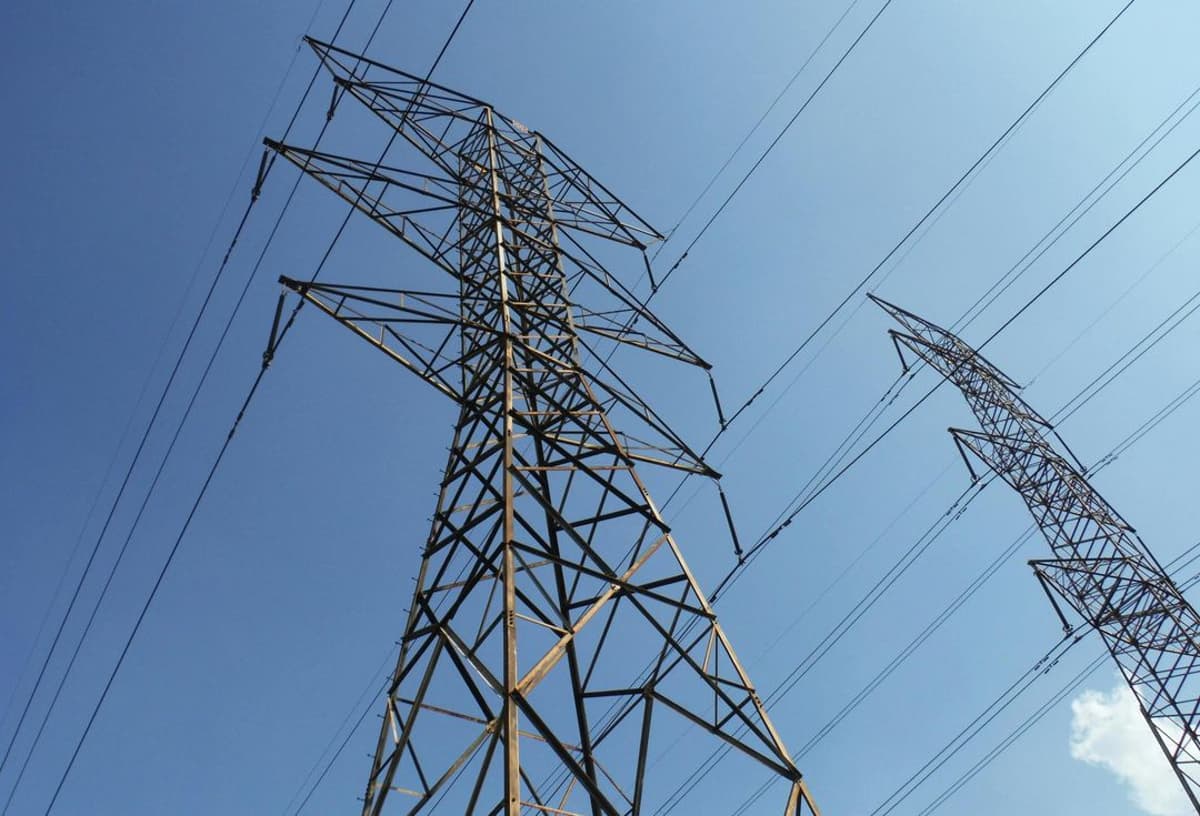
Developers Warn Denver's Energy Transition Is Outpacing Grid Capacity Needed For Growth
•March 5, 2026
0
Why It Matters
The gap between renewable targets and grid capacity threatens Denver’s economic growth, deterring high‑energy tenants and raising project costs. Aligning infrastructure investment with policy timelines is essential to retain business development and meet net‑zero commitments.
Key Takeaways
- •Denver targets zero‑emission buildings by 2030, all by 2040
- •Developers cite power uncertainty delaying projects and raising costs
- •Xcel pledges $17.6 B investment, 1‑2 GW demand growth
- •Approved 3,200 MW renewable/gas capacity, but timelines lag
- •Project stalls like $475 M Coca‑Cola plant highlight grid gaps
Pulse Analysis
Denver’s ambition to achieve a 100% renewable grid by mid‑century has become a double‑edged sword. While the city’s zero‑emission building mandates signal a forward‑looking climate strategy, they also amplify electricity demand at a time when the existing transmission network is strained. The surge in data‑center footprints and advanced‑manufacturing facilities compounds the pressure, creating a classic supply‑demand mismatch that could stall the very economic growth the policy aims to attract.
Xcel Energy, the region’s primary utility, has responded with a $17.6 billion capital plan that includes 3,200 MW of new renewable and gas resources and an anticipated 1,000‑2,000 MW demand increase over the next few years. However, developers argue that approvals and construction timelines lag behind the utility’s forecasts, leaving projects without guaranteed power. The as‑needed allocation model further erodes confidence, forcing developers to factor in additional risk and cost when planning new builds.
The real‑world impact is already visible. The $475 million Swire Coca‑Cola bottling plant abandoned its Denver site after failing to secure reliable grid connections, and local firms like Formativ report similar setbacks. These delays risk eroding Denver’s competitive edge in attracting high‑value, energy‑intensive businesses. A coordinated approach—bringing city planners, state regulators, and Xcel into a unified roadmap—could synchronize infrastructure rollout with renewable goals, preserving investment pipelines and ensuring the city’s climate aspirations do not become a barrier to growth.
Developers Warn Denver's Energy Transition Is Outpacing Grid Capacity Needed For Growth
0
Comments
Want to join the conversation?
Loading comments...