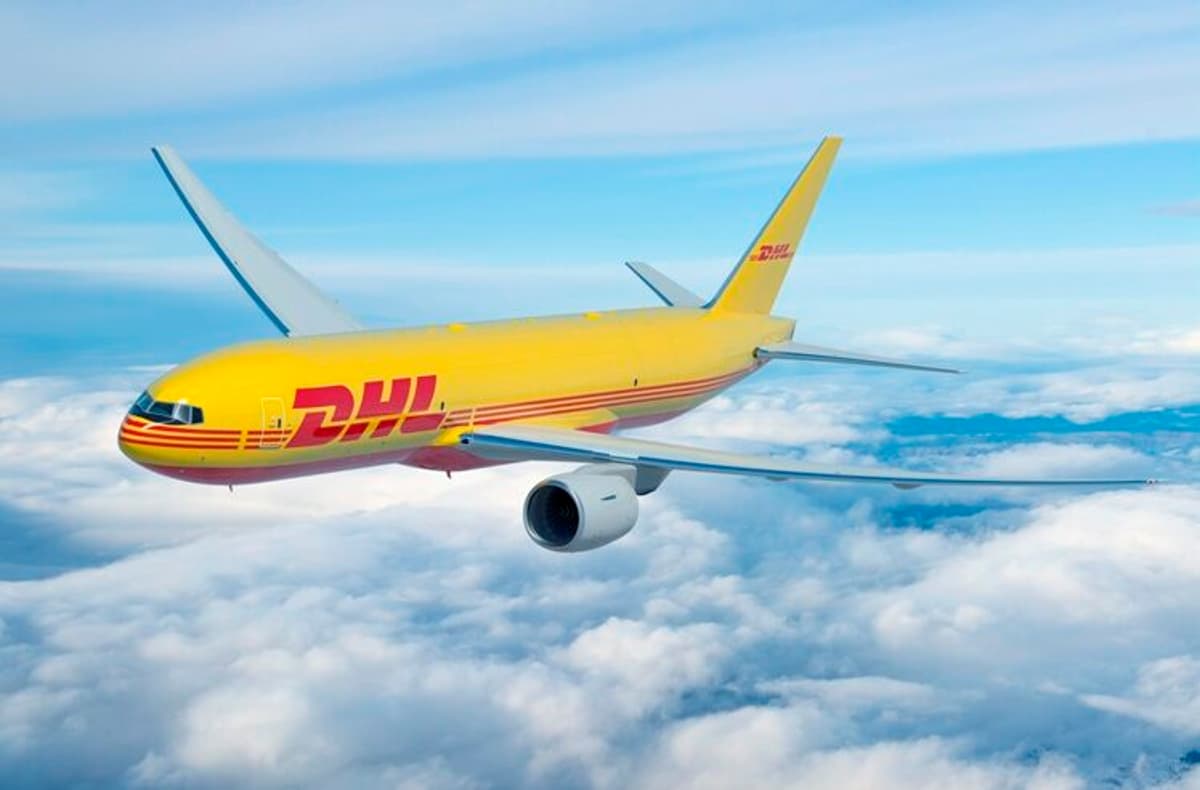
DHL Achieves 10% SAF Blending Ratio in 2025
Companies Mentioned
Why It Matters
Scaling SAF in air cargo cuts lifecycle emissions and positions DHL as a sustainability leader, meeting growing client and regulatory pressure for greener logistics. The move also accelerates market demand for low‑carbon aviation fuel across the industry.
Key Takeaways
- •DHL reached 10% SAF blend in its fleet in 2025.
- •Target: 30% SAF usage across air transport by 2030.
- •IAG Cargo partnership adds 240 M litres SAF at Heathrow.
- •SHEIN joins GoGreen Plus, boosting corporate SAF demand.
- •SAF adoption supports DHL’s broader carbon‑reduction strategy.
Pulse Analysis
Sustainable Aviation Fuel is rapidly emerging as the most viable pathway to lower the carbon intensity of global air cargo. DHL’s 10% SAF blend in 2025 signals that large logistics operators can integrate renewable fuels at scale, leveraging existing aircraft fleets without major retrofits. This milestone aligns with broader industry targets, such as the International Air Transport Association’s goal of 2% SAF usage by 2025, and underscores the growing commercial viability of SAF as production capacity expands worldwide.
The recent collaboration with IAG Cargo to deliver approximately 240 million litres of SAF at Heathrow illustrates how strategic partnerships can unlock supply chain efficiencies. By securing a dedicated SAF volume, DHL not only reduces the lifecycle greenhouse‑gas emissions of its shipments on British Airways flights but also creates a predictable demand signal for fuel producers. Simultaneously, the GoGreen Plus agreement with fast‑fashion retailer SHEIN demonstrates how corporate customers are seeking tangible sustainability options, using logistics providers as conduits for greener fuel adoption.
Looking ahead, DHL’s ambition to reach a 30% SAF share by 2030 will require continued investment in fuel‑efficient aircraft, electrified ground handling, and digital flight‑optimization tools. Regulatory frameworks in Europe and North America are tightening emissions caps, while investors increasingly prioritize ESG performance. DHL’s integrated approach—combining SAF, technology, and equipment upgrades—offers a blueprint for other cargo carriers aiming to meet future carbon‑reduction mandates while maintaining service reliability and cost competitiveness.
DHL achieves 10% SAF blending ratio in 2025
Comments
Want to join the conversation?
Loading comments...