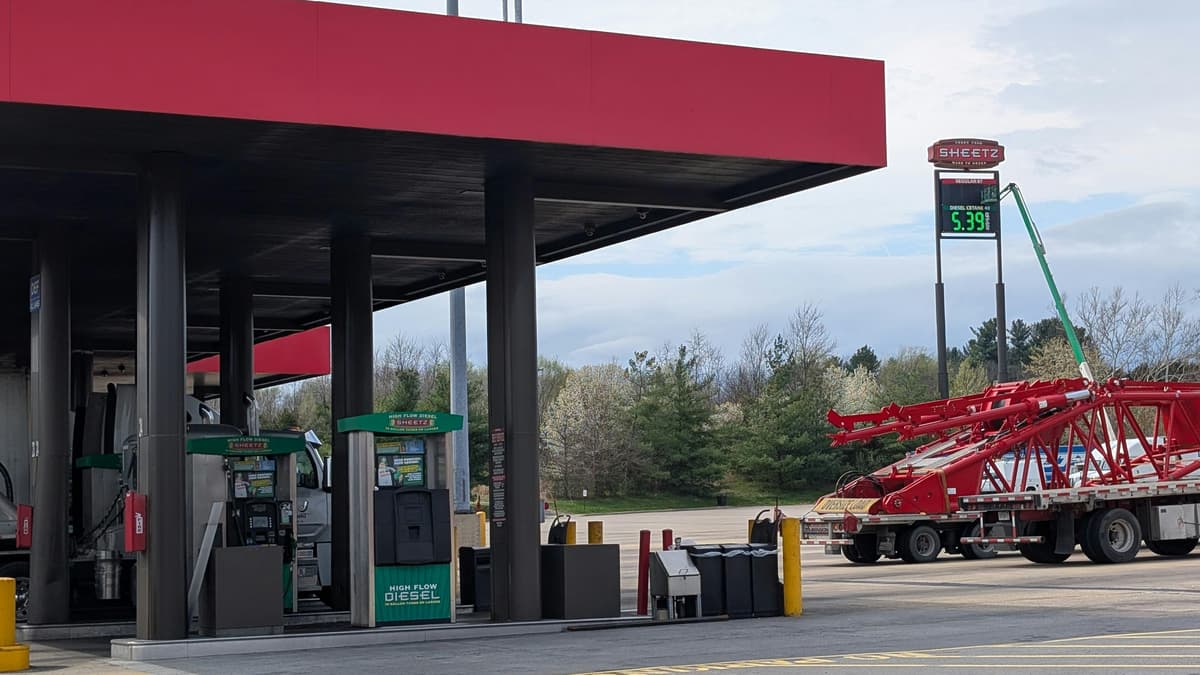
Diesel and Gasoline Prices Surge Across U.S. Regions Amid Global Supply Concerns
Why It Matters
Higher fuel costs squeeze margins for transportation and logistics firms, while consumers face elevated travel expenses. The surge underscores the vulnerability of U.S. fuel markets to geopolitical supply shocks.
Key Takeaways
- •Midwest diesel up 61 cents, highest regional jump
- •National diesel average $5.64, up 29 cents week‑over‑week
- •Gasoline average $4.12, up 33 cents, highest in four years
- •Crude oil above $100/barrel fuels price surge amid Middle East conflict
- •AAA shows diesel $5.66, $2.04 above last year
Pulse Analysis
The latest price spike reflects a confluence of geopolitical tension and tight global oil inventories. As hostilities in the Middle East threaten the Strait of Hormuz—a key chokepoint for crude shipments—benchmark oil prices have breached the $100‑per‑barrel threshold. This upward pressure filters through to U.S. refineries, where higher feedstock costs translate into steeper pump prices. The Energy Information Administration’s weekly data captures the immediate impact, but the underlying driver remains the uncertainty surrounding oil flow from the Persian Gulf, a region that supplies roughly a third of the world’s oil.
For fleet operators and logistics managers, the regional disparity in price movements is especially consequential. The Midwest’s 61‑cent diesel surge pushes the regional average above $5.70, eroding profit margins for trucking firms that rely on thin per‑mile spreads. Gasoline’s 52‑cent rise in the same region adds pressure on delivery fleets and commuter traffic. Companies are scrambling to adjust routing, renegotiate fuel contracts, and explore hedging strategies to mitigate cost volatility. Meanwhile, the West Coast’s higher baseline prices—exceeding $6 per gallon for diesel—highlight the persistent premium in coastal markets, driven by stricter environmental regulations and limited refining capacity.
Looking ahead, market participants watch for policy signals that could temper the surge. The Federal Energy Regulatory Commission may revisit strategic petroleum reserve releases, while the Biden administration’s push for alternative fuels could accelerate adoption of electric trucks and biodiesel blends. However, short‑term relief hinges on de‑escalation in the Middle East and a stabilization of crude prices. Until then, businesses should factor elevated fuel expenses into budgeting cycles and consider diversified energy portfolios to safeguard against further geopolitical shocks.
Diesel and gasoline prices surge across U.S. regions amid global supply concerns
Comments
Want to join the conversation?
Loading comments...