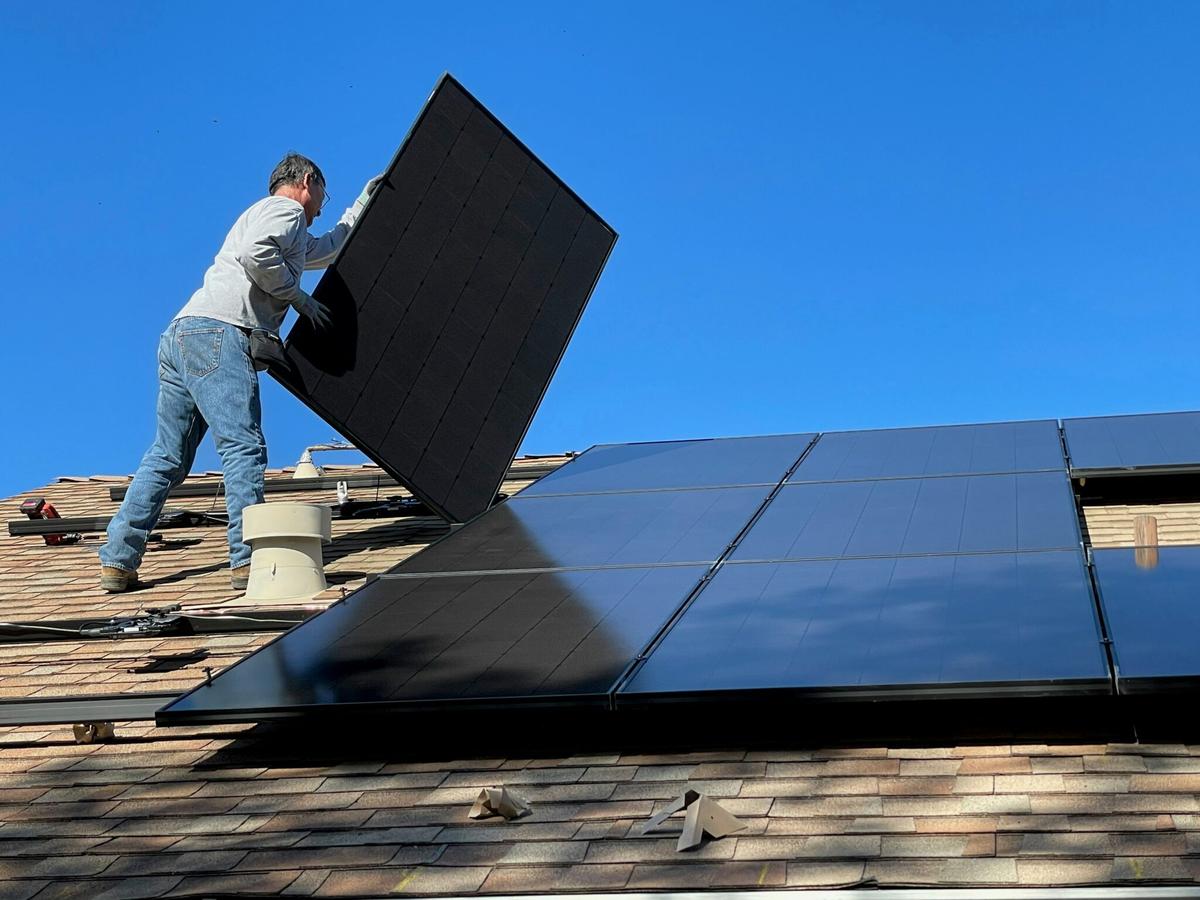
Distributed Solar’s Biggest Enemy Is Process, Not Technology
Companies Mentioned
Why It Matters
Accelerating distributed solar reduces reliance on costly new gas plants and helps utilities meet rising electricity rates, delivering faster, lower‑cost clean power to consumers. Process reforms are the fastest lever to scale the grid’s most immediate clean‑energy resource.
Key Takeaways
- •Texas interconnection takes under two weeks; NC can take 70 days.
- •Distributed solar deploys in under two years versus 5‑10 years for gas.
- •String inverters cost $0.10‑$0.20 per watt less than microinverters.
- •Customer acquisition averages $0.87 per watt, about $8,400 per home.
- •SolarAPP+ automates permits, delivering near‑instant approvals in California.
Pulse Analysis
The United States faces a perfect storm of rising residential electricity rates—up 30% since 2021—and a grid built for a bygone era. Distributed solar‑plus‑storage offers a rapid, capital‑light alternative that can be commissioned in under two years, far quicker than the five‑to‑ten‑year timeline for new gas plants. Texas exemplifies this potential, having added almost 10 GW of solar last year and seeing battery output peak at 4 GW during evening demand, proving that the technology can reliably fill the supply gap.
Yet the sector’s growth is throttled by fragmented interconnection processes. While utilities like Oncor and CenterPoint in Texas provide online portals with sub‑1% rejection rates, many jurisdictions still require manual engineering studies for every residential system, even though only 2% need infrastructure upgrades. This bureaucratic lag inflates costs—customer acquisition alone averages $0.87 per watt, or roughly $8,400 per home—and pushes financing deadlines. Hardware decisions also matter; opting for string inverters can shave $0.10‑$0.20 per watt compared to microinverters, avoiding up to $1,920 per system.
Policy makers and utilities can unlock scale by standardizing permitting and interconnection. Automated platforms such as DOE‑funded SolarAPP+ already deliver near‑instant approvals for a share of California permits and should be adopted nationwide. A "connect and manage" framework for systems under 50 kW would allow immediate self‑consumption, with export authorization following a streamlined review. Coupled with time‑varying export compensation, these reforms create win‑win economics for installers, utilities, and ratepayers, turning distributed solar from a niche offering into a core grid strategy.
Distributed solar’s biggest enemy is process, not technology
Comments
Want to join the conversation?
Loading comments...