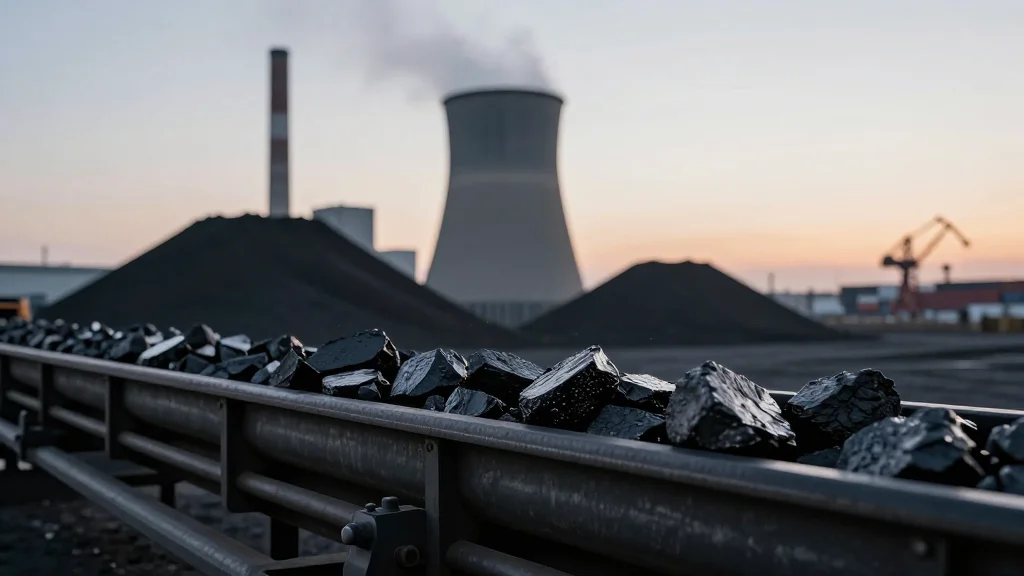
DoE Turns to Coal for Baseload Reliability and Supply Chain Resilience
Why It Matters
By shoring up coal generation and export infrastructure, the DoE seeks to ensure grid stability and diversify energy supply chains amid geopolitical tensions, reinforcing U.S. leverage in the Indo‑Pacific energy market.
Key Takeaways
- •$425 M allocated to strengthen 12 U.S. coal‑fired power plants.
- •$75 M funds West Gateway Terminal, 10 M+ tons export capacity.
- •Project aims to improve baseload reliability and grid resilience.
- •Enhances coal supply to allies: Japan, South Korea, Taiwan, Vietnam, Malaysia.
- •Signals a shift toward federal industrial policy supporting fossil‑fuel infrastructure.
Pulse Analysis
The Department of Energy’s $500 million allocation under the Defense Production Act marks a rare federal endorsement of coal at a time when many utilities are retiring older plants. By directing $425 million toward upgrades and reliability measures for 12 coal‑fired generators, the DoE aims to shore up baseload capacity that can quickly respond to grid fluctuations, especially as renewable integration accelerates. The funding also addresses aging infrastructure, extending plant lifespans and reducing the risk of unexpected outages that could jeopardize industrial output.
A key component of the package is the $75 million investment in the West Gateway Terminal, a rail‑served marine hub slated to handle more than ten million tons of bulk commodities each year. The terminal is positioned to serve strategic Indo‑Pacific partners—including Japan, South Korea, Taiwan, Vietnam and Malaysia—by providing a reliable export pathway for U.S. coal. This infrastructure not only diversifies supply routes but also strengthens energy trade ties, offering allies a stable source amid regional supply‑chain disruptions and geopolitical uncertainty.
Beyond immediate reliability gains, the announcement signals a broader shift toward using industrial policy to preserve fossil‑fuel assets deemed critical for national security. While environmental groups warn of mixed messages on climate goals, the DoE’s move reflects a pragmatic balance between decarbonization ambitions and the need for resilient, low‑cost power. Market observers anticipate modest support for coal equities and related logistics firms, while policymakers will likely grapple with reconciling this strategy with long‑term emissions targets.
DoE turns to coal for baseload reliability and supply chain resilience
Comments
Want to join the conversation?
Loading comments...