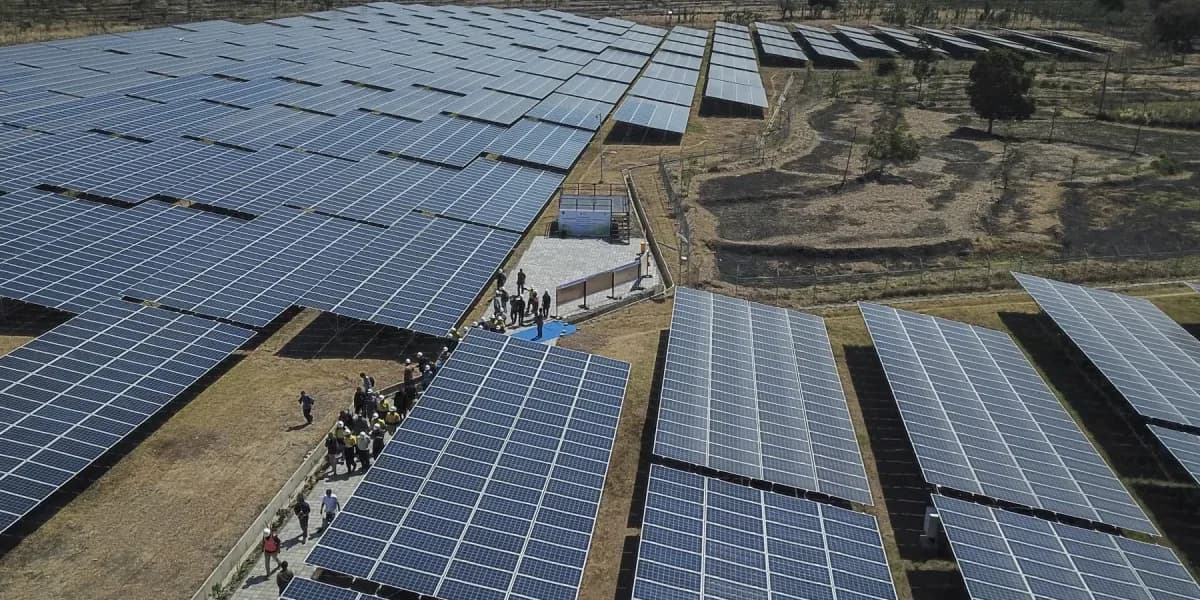
DRC Accelerates Energy Sector Reforms with New Projects and World Bank Funding
Why It Matters
Reliable electricity is a bottleneck for the DRC’s mining and manufacturing sectors; the new financing and reforms could dramatically improve power reliability, boosting productivity and attracting foreign investment.
Key Takeaways
- •World Bank approves $250M for DRC's Integrated Development Program Phase 1
- •Kakobola hydro plant adds 10.5 MW, powering thousands in Kwilu
- •DRC targets 167,000 MW hydropower potential across 3,000 sites
- •Reforms aim to improve SINELAC governance and attract private investors
- •Rural electrification expands via ANSER, boosting mining and industrial output
Pulse Analysis
The Democratic Republic of the Congo sits on one of the world’s largest untapped hydropower reserves, estimated at 167,000 MW across more than 3,000 sites. Yet chronic power shortages have hampered mining output, manufacturing efficiency, and rural development. By addressing the supply‑side gap, the DRC can transform electricity from a cost‑center into a catalyst for economic diversification and job creation.
The recent $250 million World Bank commitment to the Integrated Development Program’s first phase marks a pivotal infusion of capital. Coupled with a broader $1 billion investment roadmap, the funding will support grid upgrades, new generation assets like the 10.5 MW Kakobola plant, and capacity‑building for the national utility. Early results are already visible: thousands of Kwilu households now enjoy reliable power, reducing reliance on diesel generators and lowering operating costs for small businesses.
Beyond financing, the DRC is overhauling its energy governance. Strengthening the regulatory authority (ARE), expanding rural electrification through ANSER, and reforming the state utility SINELAC are intended to create a transparent, investor‑friendly environment. These reforms aim to attract private‑sector partners for future hydro projects and diversify the energy mix. If successful, the combined effect of infrastructure investment and institutional reform could position the DRC as a regional power hub, driving higher industrial output and more resilient economic growth.
DRC Accelerates Energy Sector Reforms with New Projects and World Bank Funding
Comments
Want to join the conversation?
Loading comments...