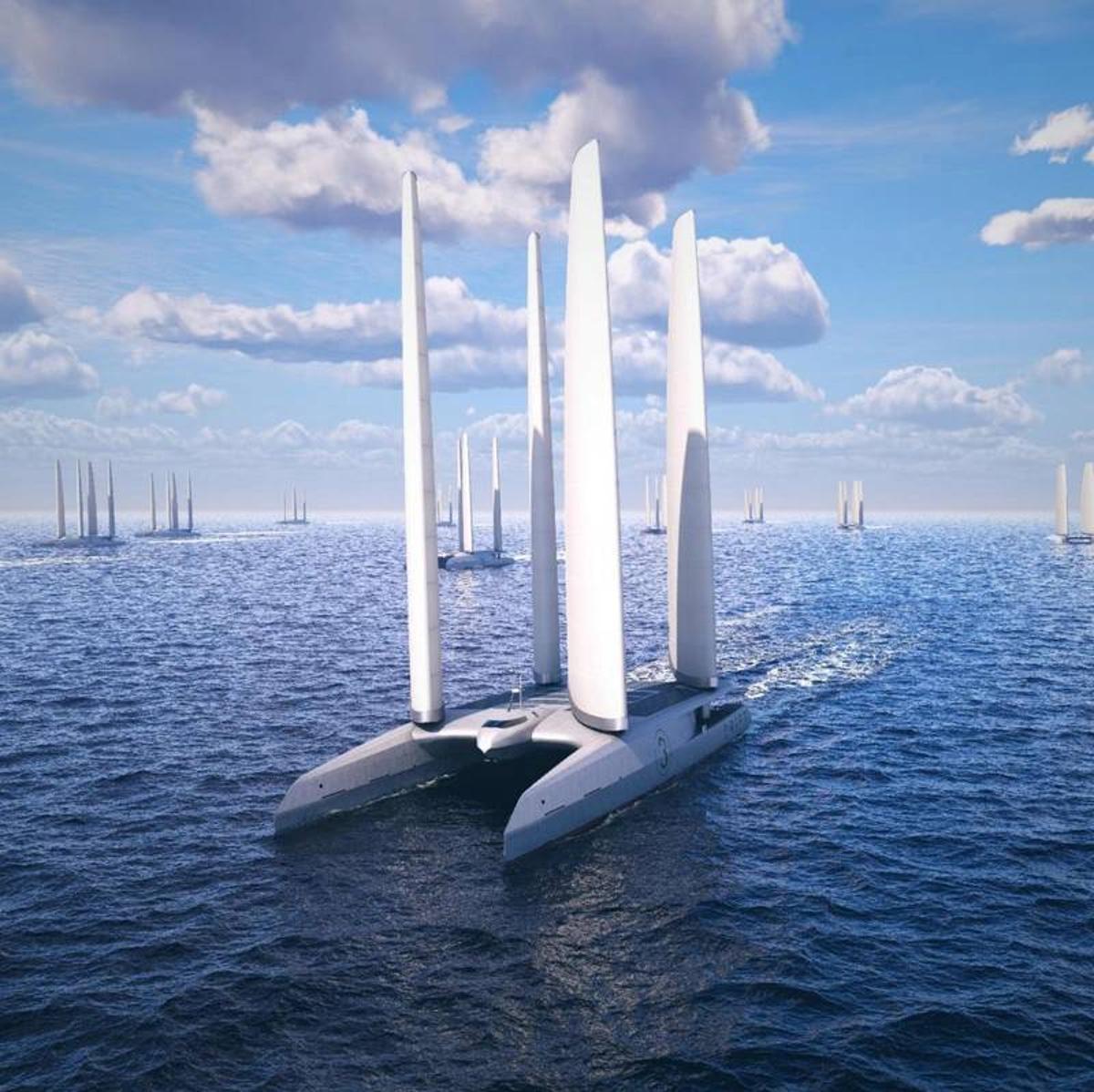
DRIFT's Energy-Harvesting Vessel Concept Earns AIP
Why It Matters
The approval validates a new class of dual‑purpose ships, potentially reshaping maritime logistics and offshore renewable supply chains, especially for regions lacking grid infrastructure.
Key Takeaways
- •RINA grants first Approval in Principle for energy‑harvesting vessel
- •Vessel combines hull‑mounted turbines with onboard hydrogen electrolysis
- •AI routing platform GOLDILOCKS optimizes wind exposure for power output
- •Target launch 2027; order book claims over 30 vessels
- •Concept aims to supply clean energy to islands and remote ports
Pulse Analysis
Maritime decarbonisation has largely focused on reducing emissions from ships themselves, but DRIFT Energy’s concept flips the script by turning vessels into floating power generators. By harvesting deep‑ocean wind through hydro‑kinetic turbines and converting that electricity into green hydrogen at sea, the design promises a net‑positive energy balance—a rare claim in a sector traditionally seen as a carbon sink. This approach aligns with broader offshore renewable trends, where wind farms and floating solar installations are expanding, yet the challenge of delivering that power to shore remains. DRIFT’s vessel could bridge that gap, offering a mobile platform that both produces and transports clean energy.
The technical architecture hinges on three pillars: turbine‑driven electricity, on‑board electrolysis, and advanced AI routing. The hydro‑kinetic turbines, positioned beneath the hull, capture kinetic energy without compromising cargo capacity, while the electrolysis units store the output as hydrogen, a versatile fuel for transport, industry, or power generation. GOLDILOCKS, DRIFT’s AI‑enabled navigation system, continuously maps optimal weather patterns, ensuring the ship spends maximum time in high‑wind zones, thereby boosting generation efficiency. RINA’s Approval in Principle confirms that, at least conceptually, the vessel can meet existing safety standards despite the added complexity of hydrogen handling at sea.
If DRIFT can deliver on its 2027 launch timeline, the market implications could be significant. Island nations, remote coastal communities, and ports with weak grid connections stand to benefit from a reliable, on‑demand clean energy source. The claimed order book of over 30 vessels suggests early commercial interest, though details remain scarce. Success would not only diversify the offshore renewable portfolio but also create a new revenue stream for shipowners, potentially accelerating investment in hybrid maritime technologies and reshaping global energy logistics.
DRIFT's Energy-Harvesting Vessel Concept Earns AIP
Comments
Want to join the conversation?
Loading comments...