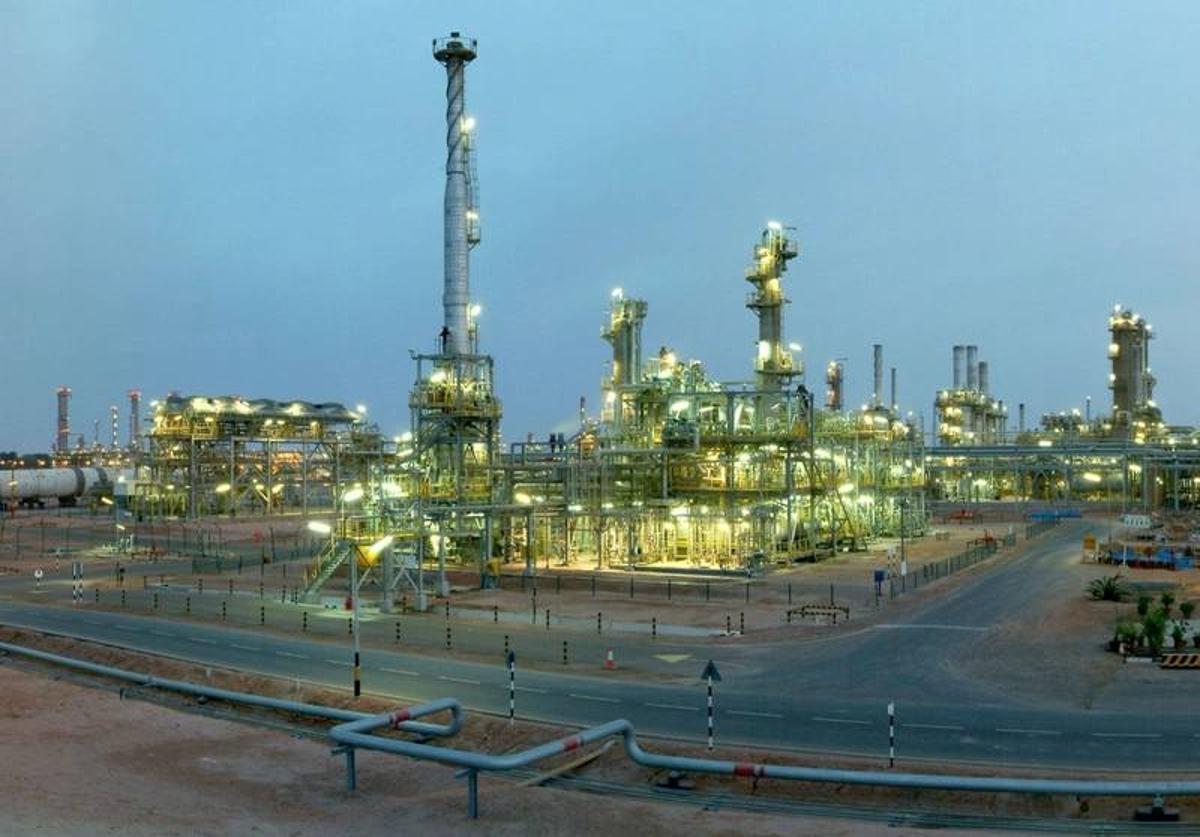
Drone Strike Sparks Fire at ADNOC’s Ruwais Industrial Complex
•March 10, 2026
0
Why It Matters
The shutdown underscores the growing risk to critical Middle East energy infrastructure from regional conflicts, potentially affecting global oil supply and pricing.
Key Takeaways
- •Drone strike ignited fire at ADNOC’s Ruwais complex
- •Refinery capacity 922,000 barrels per day temporarily halted
- •No injuries reported; other plant operations remain active
- •Incident highlights vulnerability of Gulf energy infrastructure
- •UAE urges heightened security amid regional conflict
Pulse Analysis
The Middle East has seen a surge in unmanned aerial system attacks targeting oil and gas facilities, a tactic that gained prominence during the recent escalation between Israel, the United States and Iran. ADNOC’s Ruwais complex, one of the world’s largest integrated refining hubs, became the latest victim when a drone‑borne explosive ignited a fire in an undisclosed unit. While the blast caused no casualties, the incident illustrates how even well‑protected sites can be disrupted, prompting operators to reassess surveillance, air‑defense layers, and emergency response protocols. The incident also raises insurance cost concerns for operators.
The temporary shutdown of Ruwais’ primary refinery removes up to 922,000 barrels per day from the market, a volume that represents roughly 2 percent of global crude throughput. Although ADNOC kept its downstream petrochemical, fertilizer and industrial‑gas units running, the loss of refining capacity can tighten regional product supplies, especially for high‑value fuels and feedstocks. Traders have already factored the outage into price models, nudging Brent crude toward a modest premium, while downstream customers brace for potential delays in product deliveries. Local exporters are monitoring the situation closely for any supply gaps.
The attack arrives at a time when the UAE is balancing diplomatic outreach with heightened security demands. Riyadh and Abu Dhabi have signaled increased investment in radar networks and rapid‑response drone‑intercept systems to shield critical energy corridors. For investors, the event reinforces the risk premium attached to Middle Eastern energy assets, prompting portfolio managers to diversify exposure or seek hedges. In the longer term, sustained pressure on facilities like Ruwais could accelerate discussions on decentralizing refining capacity and bolstering regional energy resilience. Governments may also consider joint contingency frameworks to mitigate future disruptions.
Drone Strike Sparks Fire at ADNOC’s Ruwais Industrial Complex
0
Comments
Want to join the conversation?
Loading comments...