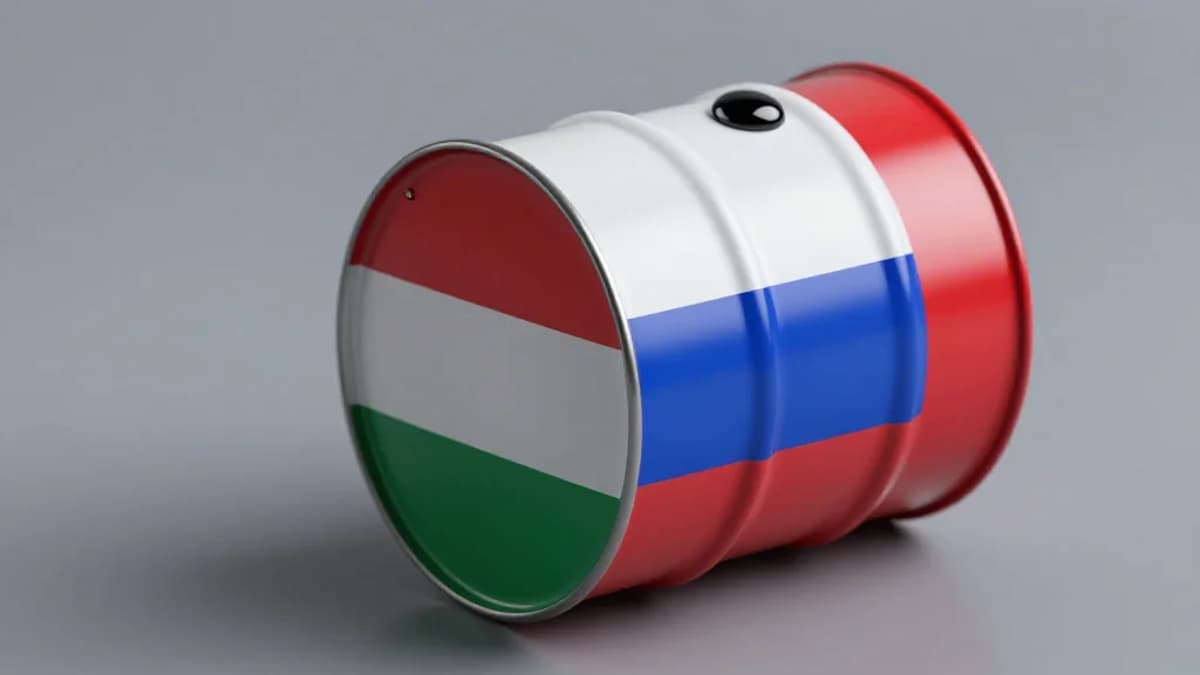
Druzhba Idle as Hungary Secures Russian Oil Supply Guarantees
•March 5, 2026
0
Why It Matters
The stalemate threatens European energy security and could intensify price volatility across the continent. It also highlights the geopolitical leverage of oil transit routes in the EU‑Russia relationship.
Key Takeaways
- •Hungary obtains Russian oil guarantee, pipeline still shut
- •EU attempted mediation but dispute persists
- •Druzhba supplies to Slovakia also halted
- •Middle East conflict amplifies European fuel insecurity
- •Idle pipeline threatens Russian revenue and regional energy balance
Pulse Analysis
The Druzhba pipeline, stretching over 4,000 kilometres from Russia to Central Europe, has long been a backbone of the continent’s oil infrastructure. Historically, it delivered up to 1.2 million barrels per day, linking Russian fields to refineries in Hungary, Slovakia, the Czech Republic, and beyond. Since the EU imposed sanctions following Russia’s invasion of Ukraine, the pipeline’s flow has been intermittently disrupted, exposing the region’s reliance on a single transit corridor and prompting policymakers to reassess diversification strategies.
Hungary’s recent negotiation with Moscow secured a formal guarantee for future crude shipments, yet the physical flow remains halted. Brussels intervened, urging a swift resolution to prevent further market distortion, but technical and contractual disagreements linger. For Hungary, the guarantee is a diplomatic win, preserving a critical energy source while the nation explores alternative supplies, such as Baltic Sea imports and strategic reserves. The broader EU response reflects a delicate balance: maintaining energy stability without conceding to geopolitical pressure from Russia.
Compounding the issue, the ongoing war in the Middle East has strained global oil supplies, driving up prices and tightening inventories. The Druzhba impasse adds another layer of uncertainty for European refiners already grappling with volatile spot markets. Analysts warn that prolonged inactivity could erode Russia’s transit revenue and incentivize the EU to accelerate investments in renewable capacity and diversified import routes. In the short term, the pipeline’s status will remain a barometer for both regional energy security and the evolving dynamics of Russia‑EU energy relations.
Druzhba Idle as Hungary Secures Russian Oil Supply Guarantees
0
Comments
Want to join the conversation?
Loading comments...