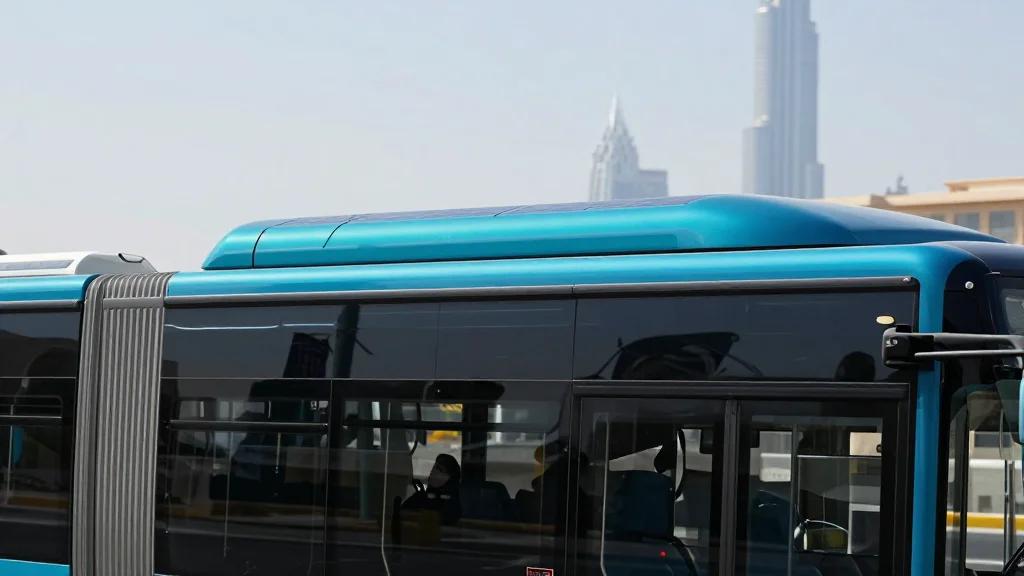
Dubai RTA to Deploy 735 Electric Buses by 2026, Nearing 800‑Bus Zero‑Emission Fleet

Why It Matters
The deployment of 735 electric buses positions Dubai as a regional pioneer in mass‑transit electrification, demonstrating that large‑scale procurement can be executed within a single fiscal year. By cutting over 59,000 tons of CO₂ annually, the program directly contributes to the United Arab Emirates’ climate commitments and offers a replicable model for other Gulf cities facing similar air‑quality challenges. Beyond emissions, the aggregated 364 MWh of battery capacity creates a flexible grid asset that can smooth renewable‑energy variability, reduce peak‑load costs, and enhance energy security. If Dubai successfully leverages its bus fleet as a virtual power plant, it could unlock a new revenue stream for public‑transport operators and accelerate the economics of battery‑as‑a‑service offerings across the region.
Key Takeaways
- •RTA to add 735 electric buses in 2026, raising total to ~775
- •Current 40‑bus fleet avoided 59,263 tons of CO₂ in 2025
- •Each bus carries a 470 kWh battery; total capacity ~364 MWh
- •Driver and passenger satisfaction exceeds 95% on existing electric routes
- •Potential to use bus batteries as a 364 MWh virtual power plant
- •
Pulse Analysis
Dubai’s bus‑fleet expansion is more than a headline‑grabbing procurement; it reflects a strategic convergence of transportation, energy, and climate policy. Historically, Gulf cities have lagged in EV adoption due to high temperatures and limited charging infrastructure. By committing to 735 buses in a single year, the RTA signals confidence in battery technology that can tolerate desert conditions and in a charging ecosystem backed by abundant solar generation.
The move also reshapes the regional supply chain. Manufacturers that can deliver high‑energy‑density packs at scale stand to win sizable contracts, while financing institutions may develop green‑bond structures tied to fleet performance metrics. Moreover, the virtual power plant concept could redefine how municipalities monetize transit assets, turning idle battery capacity into grid services that offset operational costs. If Dubai’s pilot proves financially viable, we may see a cascade of similar projects in Riyadh, Doha and Kuwait, each leveraging transit fleets to bolster renewable integration.
Looking ahead, the key risk lies in operational integration—ensuring that battery aggregation software, grid communication protocols, and maintenance regimes align without compromising service reliability. Success will hinge on coordinated policy support, clear revenue models for grid services, and continued public acceptance, as reflected in the 95% satisfaction rate. Should these elements coalesce, Dubai’s 735‑bus rollout could become a template for rapid, low‑carbon urban mobility across the Middle East and beyond.
Dubai RTA to Deploy 735 Electric Buses by 2026, Nearing 800‑Bus Zero‑Emission Fleet
Comments
Want to join the conversation?
Loading comments...