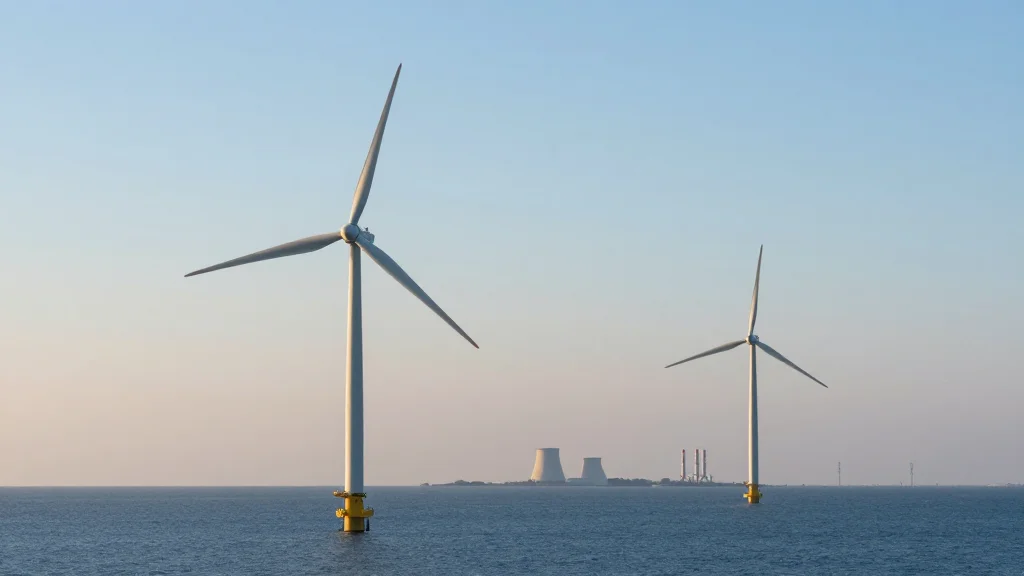
Duke Energy Girds for the Future
Why It Matters
The unprecedented CapEx commitment underscores Duke Energy’s push to diversify supply and meet the Southeast’s growing electricity demand, while signaling robust investor confidence in large‑scale renewable infrastructure.
Key Takeaways
- •Duke Energy secured Carolina Long Bay offshore wind lease 2022.
- •$103 billion CapEx plan covers 2026‑2030, 18% increase.
- •Investment targets renewable, nuclear, gas, and transmission upgrades.
- •Plan positions Duke among largest regulated utility spenders.
- •Southeast grid reliability bolstered by diversified generation mix.
Pulse Analysis
Duke Energy’s offshore wind lease in the Carolina Long Bay corridor marks a strategic foothold in a region traditionally dominated by fossil‑fuel generation. The lease, secured in 2022, aligns the utility with the federal push to accelerate offshore wind capacity along the Atlantic seaboard, where projects are expected to add over 30 GW by 2030. By entering this market early, Duke positions itself to capture federal production tax credits and state renewable mandates, while offering a clean‑energy alternative to the rapidly growing load centers in North and South Carolina.
The $103 billion capital expenditure plan announced for 2026‑2030 is a watershed moment for regulated utilities. Representing an 18 % increase over the prior five‑year outlook, the budget earmarks billions for offshore wind turbines, new nuclear reactors, gas‑fired peaker plants, and extensive transmission upgrades. Financing such a scale will likely involve a mix of rate‑base recoveries, green bonds, and strategic partnerships, reflecting a broader industry trend toward diversified funding sources. Regulators will scrutinize cost recovery mechanisms, but the plan’s size signals confidence that the investments will be deemed prudent and essential for meeting reliability standards.
Beyond Duke’s balance sheet, the plan reshapes the Southeast energy landscape. A more diversified generation mix reduces reliance on aging coal plants and mitigates exposure to fuel price volatility, enhancing grid resilience amid climate‑related weather events. Competitors may accelerate their own renewable roadmaps to keep pace, prompting state policymakers to revisit renewable portfolio standards. Ultimately, Duke’s aggressive spend could catalyze a regional transition toward a lower‑carbon grid, attracting further private capital and reinforcing the United States’ broader clean‑energy objectives.
Duke Energy Girds for the Future
Comments
Want to join the conversation?
Loading comments...