Duke Energy’s Proactive Grid Upgrades Under Fire From Electric Co-Ops
Companies Mentioned
Why It Matters
Because cost allocation determines the financial viability of large‑scale solar, a FERC ruling could either sustain Duke’s modernized grid plan or trigger costly delays, influencing renewable growth across the U.S.
Key Takeaways
- •Duke upgrades $57M grid to accommodate 3.7 GW solar
- •Co-ops want developers to cover half upgrade costs
- •FERC decision could reshape transmission cost allocation nationwide
- •Past per‑project charging slowed solar growth in NC
- •Shared‑cost model aims to prevent grid congestion and delays
Pulse Analysis
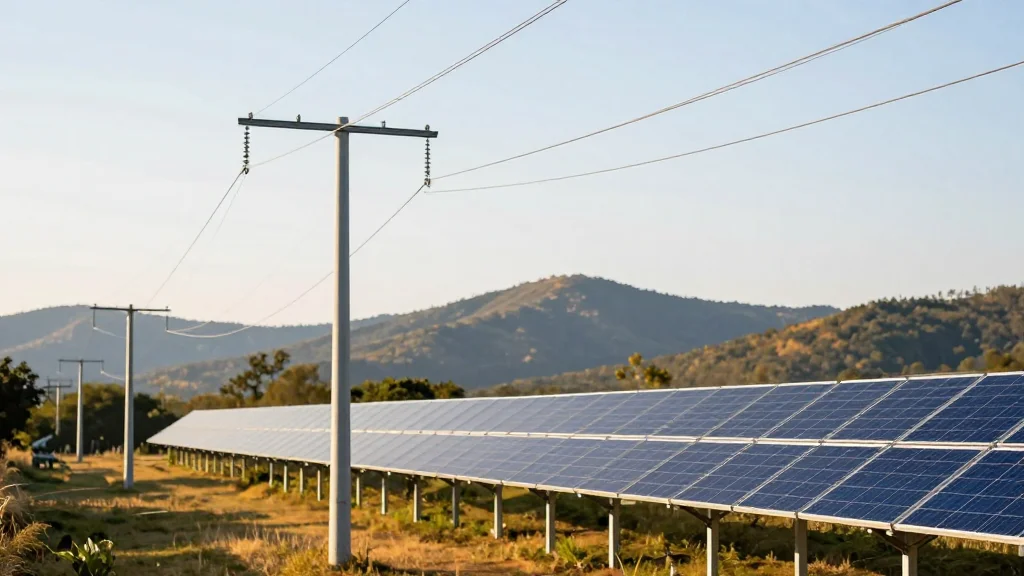
North Carolina’s rapid clean‑energy push left Duke Energy’s transmission system strained, especially in the so‑called “Red Zone” where capacity limits blocked new solar interconnections. After years of developers shouldering 100% of upgrade costs, the state utility commission mandated a shared‑cost model in 2022, allowing the utility to pre‑build infrastructure and spread expenses across all customers. This proactive strategy promises to unlock more than 3.7 GW of solar potential while improving grid resilience, a model that other utilities are watching closely.
The dispute now centers on a complaint filed by several electric cooperatives with the Federal Energy Regulatory Commission. The co‑ops argue that the $57 million in planned upgrades should be split, with solar developers paying half, contending that broad cost allocation unfairly burdens their wholesale customers. While legal scholars see the claim as tenuous, the case lands under a FERC chair known for a skeptical stance toward renewables, raising the stakes. A decision favoring the co‑ops could revert Duke to its old per‑project charging method, inflating development costs and potentially stalling projects that rely on the upgraded grid.
Beyond North Carolina, the ruling could reverberate nationwide, setting a precedent for federal oversight of state‑level transmission planning. If FERC endorses the co‑ops’ position, utilities may hesitate to adopt shared‑cost upgrades, slowing the integration of renewable resources and increasing overall system costs. Conversely, upholding Duke’s approach would reinforce a collaborative financing model that aligns utilities, developers, and ratepayers, fostering a more predictable pathway for large‑scale solar deployment across the United States.
Duke Energy’s proactive grid upgrades under fire from electric co-ops
Comments
Want to join the conversation?
Loading comments...