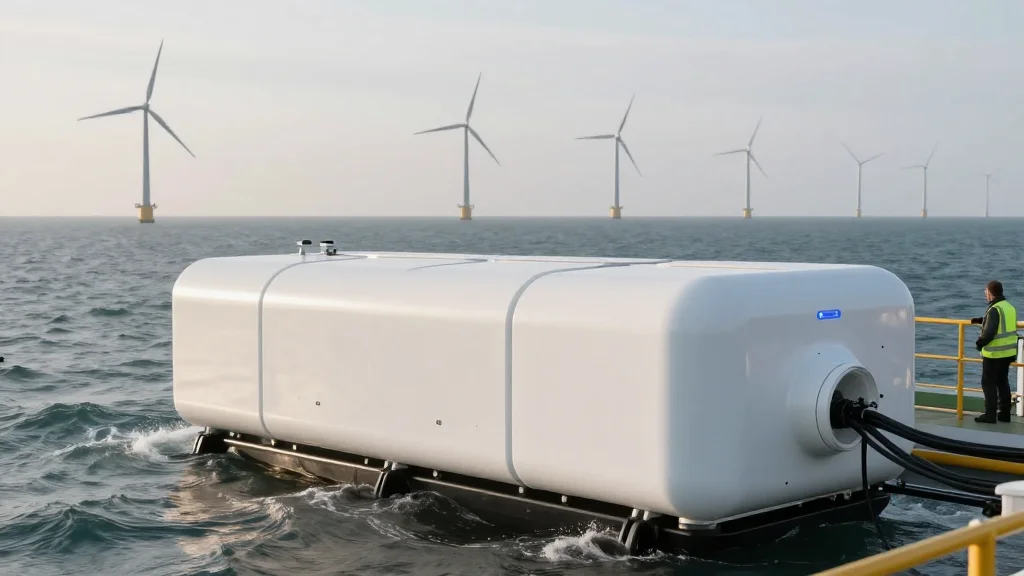
Dutch Consortium Advances Offshore Green Hydrogen Plans in North Sea
Why It Matters
Offshore green hydrogen offers a pragmatic solution to North Sea grid bottlenecks while advancing Europe’s strategic shift toward domestic, low‑carbon energy sources.
Key Takeaways
- •H2DO launches 30‑50 MW offshore green hydrogen feasibility study.
- •Project targets 2031 operational start, easing North Sea grid congestion.
- •Offshore electrolysis cuts onshore land use and freshwater demand.
- •Dutch initiative aims to boost Europe’s energy autonomy and reduce fossil imports.
- •Study funded by EU’s TSE program, advancing mid‑size hydrogen tech.
Pulse Analysis
The Dutch consortium’s H2DO project arrives at a pivotal moment as North Sea wind capacity surges, creating transmission bottlenecks that threaten the efficient delivery of renewable electricity. By situating electrolysis platforms directly beneath wind farms, the venture transforms excess generation into transportable green hydrogen, sidestepping costly grid upgrades and leveraging existing offshore pipeline networks. This offshore‑first approach not only mitigates congestion but also maximizes the capacity factor of wind assets, delivering a more resilient and flexible energy supply chain.
Beyond grid relief, offshore hydrogen production addresses two critical sustainability challenges: land scarcity and freshwater consumption. A 1 GW onshore electrolyzer would occupy roughly 29 football fields, a footprint increasingly untenable in densely populated coastal regions. In contrast, floating or fixed platforms use the sea surface, preserving valuable real estate. Moreover, seawater‑based electrolysis technologies reduce the demand for fresh water, a resource under pressure across Europe. These advantages position offshore hydrogen as a catalyst for broader decarbonization, enabling sectors such as heavy industry and transport to access clean fuel without competing for limited land resources.
Strategically, the H2DO study, backed by the EU’s TSE fund, signals a concerted push toward energy sovereignty. By producing domestically sourced green hydrogen, the Netherlands can diminish its dependence on imported fossil fuels and vulnerable supply chains, aligning with the European Union’s Green Deal objectives. The 2031 operational target provides a clear timeline for investors and policymakers, fostering confidence in the commercial viability of mid‑size offshore hydrogen projects. As the feasibility phase progresses, the initiative is poised to set technical standards and inform regulatory frameworks that could accelerate similar deployments across the North Sea and beyond.
Dutch consortium advances offshore green hydrogen plans in North Sea
Comments
Want to join the conversation?
Loading comments...