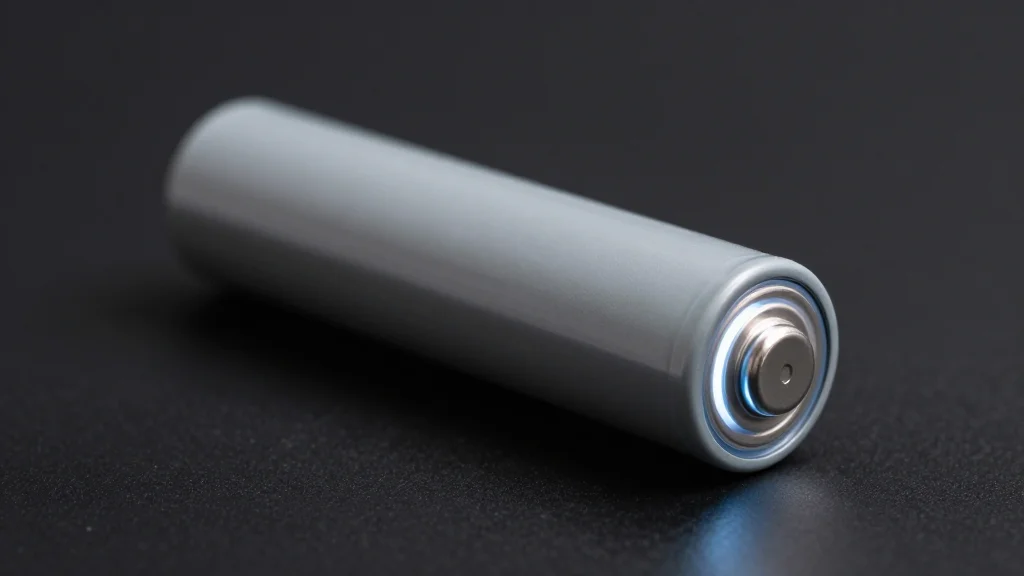
EAS Batteries Commercializes LFP Cell Using Asahi Kasei’s Acetonitrile Electrolyte Acetolyte
Companies Mentioned
Why It Matters
Higher‑power LFP cells reduce weight and thermal stress in EV packs, accelerating the shift toward cheaper, safer lithium‑iron‑phosphate batteries across the automotive market.
Key Takeaways
- •EAS launches 22 Ah LFP cell with Acetolyte electrolyte.
- •Continuous power reaches 2,550 W/kg, 60% higher than conventional.
- •Pulse power hits 3,760 W/kg at 1,320 A (60C).
- •Cycle life 2,400 cycles at 5C charge/discharge.
- •Serial production began March 2026 after 2025 licensing deal.
Pulse Analysis
Acetolyte, Asahi Kasei’s acetonitrile‑based electrolyte, represents a notable shift from traditional carbonate chemistries. Its superior ionic conductivity lowers internal resistance, enabling LFP cells to sustain far higher current densities without the thermal runaway risks that typically limit power output. By delivering 2,550 W/kg continuous power and a 3,760 W/kg pulse, the UHP‑601300‑LFP‑22 pushes the performance envelope of LFP technology, narrowing the gap with nickel‑rich chemistries while preserving LFP’s inherent safety and cost advantages.
For electric‑vehicle manufacturers, the boost in specific power translates directly into lighter battery packs and reduced copper wiring, both of which improve vehicle efficiency and handling. The cell’s ability to operate at 40 C continuous and 60 C pulse rates under demanding temperature conditions also eases thermal‑management requirements, potentially lowering cooling system complexity. As OEMs seek to meet stricter range and cost targets, a high‑power, long‑life LFP option like EAS’s new cell offers a compelling alternative for low‑voltage platforms and performance‑oriented models alike.
Strategically, the rapid move from a November 2025 licensing agreement to March 2026 serial production underscores the agility of both EAS Batteries and Asahi Kasei. The German firm’s three‑decade manufacturing pedigree, combined with the Japanese chemical giant’s electrolyte expertise, positions the partnership to scale quickly and license the technology to global OEMs. Ongoing development of a larger 46xxx cylindrical format suggests a roadmap toward even higher energy densities, signaling that Acetolyte‑enabled LFP could become a mainstream power solution in the next wave of EV battery designs.
EAS Batteries commercializes LFP cell using Asahi Kasei’s acetonitrile electrolyte Acetolyte
Comments
Want to join the conversation?
Loading comments...