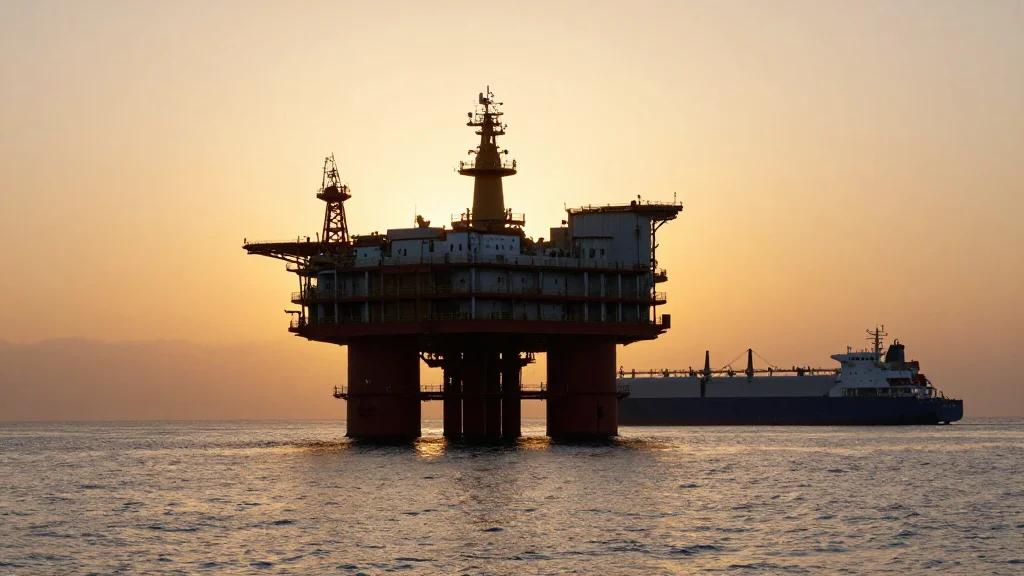
Egypt Seeks IOC Upstream Boost to Offset Dwindling Gas Supplies
Companies Mentioned
Why It Matters
Accelerating IOC upstream activity can alleviate Egypt’s gas deficit, safeguard energy security, and position the nation as a key Mediterranean gas hub, attracting long‑term foreign investment.
Key Takeaways
- •Egypt seeks faster IOC upstream projects to offset gas shortfall
- •Mediterranean offshore fields offer sizable reserves for Western majors
- •Existing liquefaction and pipeline assets enable rapid export potential
- •Gas‑rich Egypt could become a strategic hub for East‑Mediterranean supply
Pulse Analysis
Egypt’s energy landscape is at a crossroads. After a decade‑long boom, the country now faces its second gas crunch, driven by soaring fuel prices linked to the ongoing Middle‑East war and a lag in new production. Domestic demand, especially from power generation and industry, has outpaced supply, prompting the government to call on international oil companies to fast‑track offshore drilling and development. By leveraging its proven Mediterranean reserves, Egypt hopes to plug the deficit quickly, reducing reliance on costly imports and stabilising domestic prices.
For Western majors, Egypt presents a compelling value proposition. Its offshore basins—particularly the Zohr and new discoveries—are among the most prolific in the region, offering high‑quality gas at relatively low extraction costs. Coupled with an established liquefied natural gas (LNG) export infrastructure and a network of pipelines linking to Europe and the Gulf, the country can serve as a launchpad for broader East‑Mediterranean strategies. Companies like Chevron, BP, ExxonMobil and Eni are already eyeing the market, seeing Egypt as a gateway to diversify supply routes and meet growing European demand for cleaner energy.
The broader implications extend beyond Egypt’s borders. A revitalised upstream sector could transform the nation into a regional gas hub, enhancing energy security for neighboring markets and providing a steady revenue stream for the Egyptian economy. Moreover, increased foreign investment would stimulate job creation, technology transfer, and fiscal inflows, reinforcing the country’s long‑term growth trajectory. As global energy dynamics shift toward lower‑carbon solutions, Egypt’s strategic positioning in the Mediterranean could make it a pivotal player in the next decade of gas trade.
Egypt Seeks IOC Upstream Boost to Offset Dwindling Gas Supplies
Comments
Want to join the conversation?
Loading comments...