EKO Launches Pyranometer Calibration Service for US Solar Players
•February 17, 2026
0
Why It Matters
Domestic, standards‑compliant calibration reduces project risk and improves solar asset profitability, a critical factor as the U.S. market accelerates deployment.
Key Takeaways
- •Domestic calibration cuts international shipping expenses
- •ICF‑02 delivers ISO 9847:2023 compliant, repeatable results
- •Faster turnaround accelerates solar project schedules
- •Accurate pyranometers improve energy yield assessments
- •Planned global network standardizes calibration worldwide
Pulse Analysis
The precision of pyranometers—devices that measure solar irradiance—directly influences the financial modeling of utility‑scale and commercial solar farms. Mis‑calibrated sensors can introduce hidden losses that erode profitability, especially when projects operate near tight performance guarantees. International standards such as ISO 9847:2023 and IEC 61724‑1:2021 prescribe regular calibration to maintain traceability and reduce measurement uncertainty. Historically, U.S. developers have relied on offshore laboratories, incurring shipping delays, customs fees, and extended downtime. EKO’s new service addresses this gap by bringing certified calibration capabilities stateside.
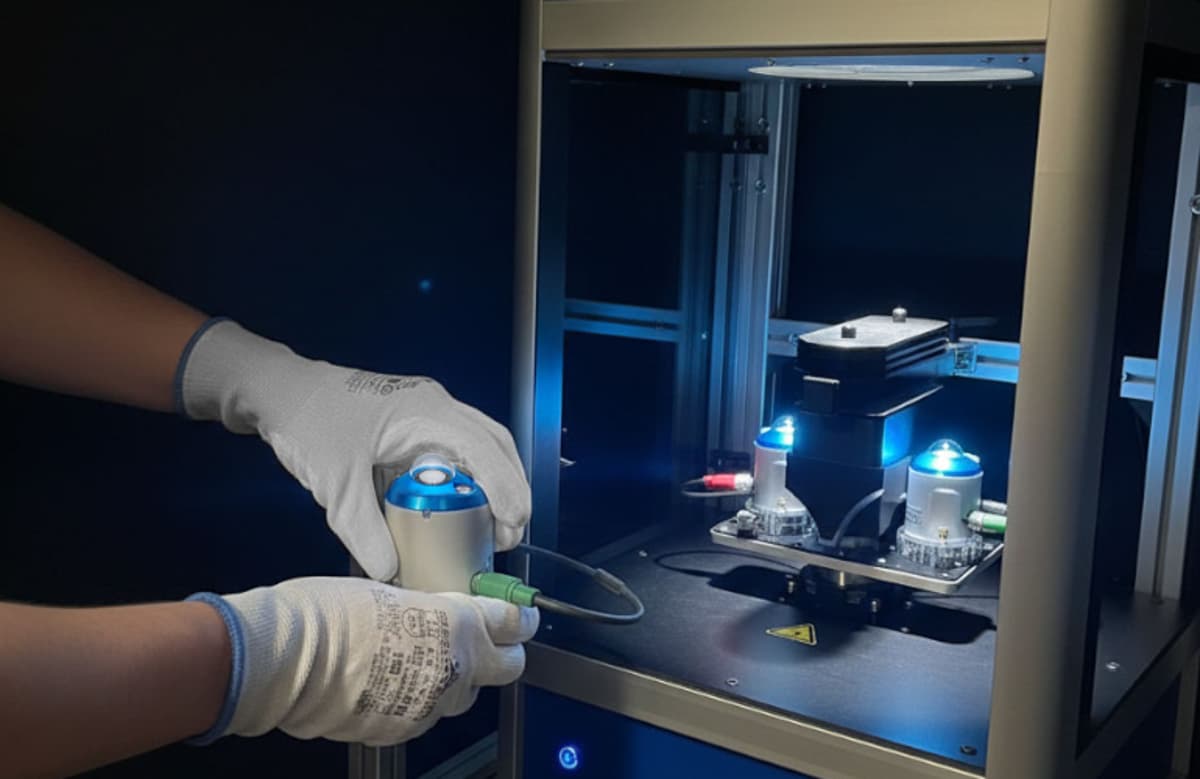
EKO’s Indoor Calibration Facility (ICF‑02) is a fully automated, turn‑key system that compares a test pyranometer against a reference unit of the same model under controlled indoor conditions. The platform records spectral flatness, sensitivity values, and uncertainty metrics, then generates a calibration certificate that meets ISO 9847:2023 requirements. Automation eliminates manual handling errors, while the indoor environment ensures repeatable results regardless of weather. Customers benefit from reduced per‑unit costs, turnaround times measured in days rather than weeks, and immediate data integration with SCADA and O&M software.
The launch arrives at a moment when the U.S. solar market is racing to meet aggressive deployment targets and investors demand transparent performance data. Faster, cost‑effective calibration translates into higher capacity factors and more reliable power purchase agreements, strengthening the business case for new projects. EKO’s vision of a worldwide network of ICF‑02 facilities could harmonize calibration practices across continents, fostering a level playing field for equipment manufacturers and developers alike. As the industry scales, standardized sensor accuracy will become a cornerstone of grid‑integration strategies and long‑term asset management.
EKO launches pyranometer calibration service for US solar players
0
Comments
Want to join the conversation?
Loading comments...