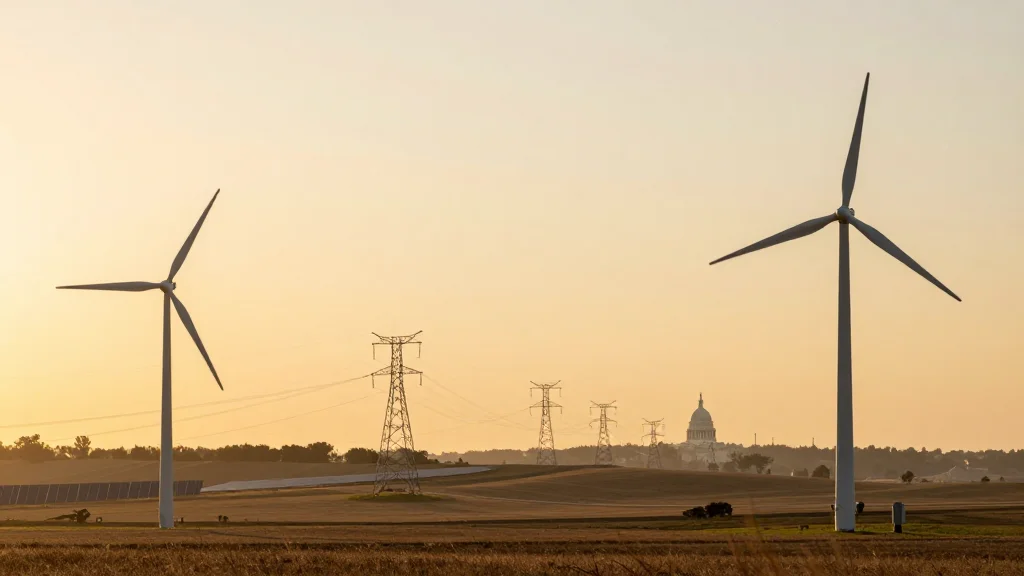
Electric Cooperative Leaders Advocate for Federal Policies Essential to Maintaining Affordable, Reliable Power
Why It Matters
Federal reforms could lower electricity rates for rural America while preventing costly outages, directly influencing national grid stability and economic competitiveness.
Key Takeaways
- •1,500 co‑op leaders will lobby Washington on power policy
- •Co‑ops serve 42 million Americans across 56% of U.S. land
- •Expanding RUS loans could lower rates and fund grid upgrades
- •Reforming permitting and FEMA aims to cut delays and costs
Pulse Analysis
Rural electric cooperatives are the backbone of power delivery to more than 42 million Americans, covering 56% of the United States’ landmass. Their unique not‑for‑profit model keeps rates low, but aging infrastructure and a worsening reliability outlook—driven by plant retirements and soaring demand from data centers and electrification—pose escalating risks. As the grid faces potential shortfalls during peak seasons, co‑ops are forced to invest heavily in generation, transmission, and distribution upgrades, making federal support a decisive factor in maintaining service continuity.
The policy agenda the National Rural Electric Cooperative Association is championing centers on four pillars. Expanding the Rural Utilities Service (RUS) loan program would provide the lowest‑cost capital, enabling co‑ops to modernize grids without burdening consumers. Streamlining FEMA’s Public Assistance process would accelerate post‑disaster rebuilding, reducing financial uncertainty for utilities operating in storm‑ and wildfire‑prone regions. Permitting reforms—particularly to the National Environmental Policy Act and Clean Water Act—could shave years off project timelines, curbing cost overruns. Finally, stronger wildfire‑mitigation statutes would grant co‑ops broader authority to conduct vegetation management, a proven tactic for preventing catastrophic outages.
If Congress embraces these reforms, the ripple effects extend beyond rural communities. Reliable, affordable electricity underpins agricultural productivity, small‑business growth, and the broader push toward clean energy adoption. Investors and manufacturers will benefit from a more predictable power landscape, while taxpayers gain from the revenue generated by low‑interest loan repayments. Conversely, policy inertia risks higher rates, increased outage frequency, and a fragmented national grid. The upcoming Washington meeting thus represents a pivotal moment for aligning federal action with the operational realities of America’s most extensive utility network.
Electric Cooperative Leaders Advocate for Federal Policies Essential to Maintaining Affordable, Reliable Power
Comments
Want to join the conversation?
Loading comments...