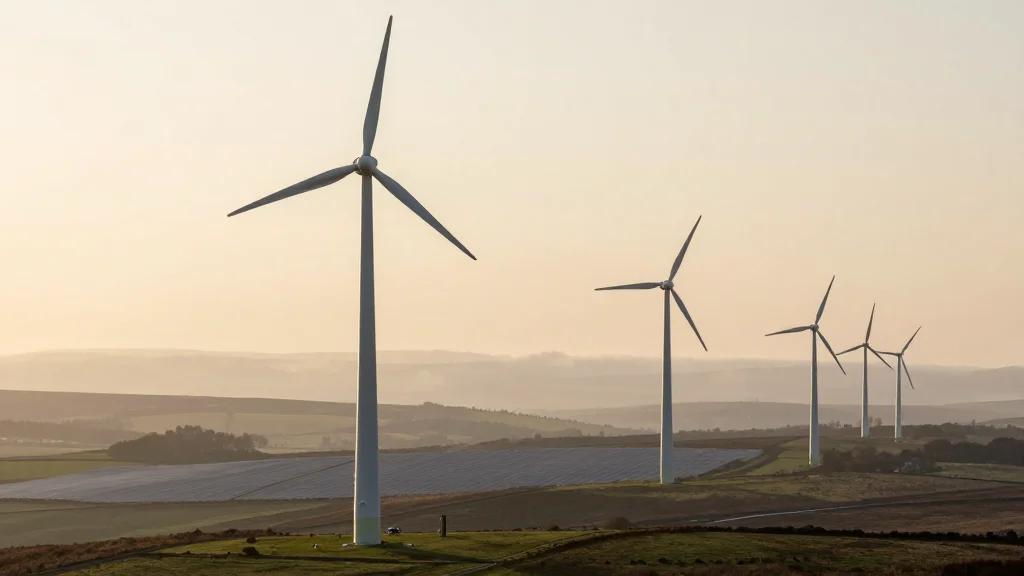
Electricity Projects Totalling 221GW Removed From Britain's Grid Connection Queue
Why It Matters
Accelerating grid connections removes a critical barrier to renewable expansion, supporting the UK’s decarbonisation targets and stabilising electricity markets. The move signals a more investment‑friendly environment for clean‑energy developers.
Key Takeaways
- •221 GW of proposed projects cleared from Britain’s grid queue
- •Reforms aim to speed connections for wind, solar, and renewables
- •Ofgem and government claim a more credible pipeline now
- •Delays previously cost developers billions in lost revenue
Pulse Analysis
The United Kingdom has long struggled with a congested transmission network that slowed the rollout of new renewable capacity. By early 2024, the connection queue stretched beyond 30 GW, forcing developers to wait years before tying into the grid. This backlog threatened the country’s 2030 net‑zero ambition, as investors grew wary of uncertain timelines and escalating connection costs. The recent decision to remove more than 221 GW of projects from the queue marks a decisive shift toward clearing the bottleneck and restoring confidence in the market.
The reforms, driven jointly by Ofgem and the Department for Energy Security, introduce a ‘fast‑track’ allocation mechanism that prioritises projects meeting clear delivery milestones and geographic suitability. Developers now receive provisional connection offers within six months, compared with the previous 18‑month average. By standardising technical specifications and streamlining consent processes, the policy reduces administrative overhead and lowers the risk premium embedded in project financing. Early indications show a surge in firm commitments from wind farms in the North Sea and solar farms in the Midlands, signaling renewed investor appetite.
Clearing the queue is more than a procedural win; it directly supports the UK’s target of 50 GW of offshore wind by 2030 and the broader decarbonisation pathway. Faster connections translate into earlier generation, helping to offset reliance on gas‑fired plants and stabilising wholesale electricity prices. However, the success of the reforms will depend on parallel upgrades to transmission capacity and continued fiscal incentives. If the pipeline remains robust, Britain could emerge as a leading renewable hub, attracting further foreign capital and reinforcing energy security.
Electricity projects totalling 221GW removed from Britain's grid connection queue
Comments
Want to join the conversation?
Loading comments...