Why It Matters
The halt highlights the urgent need for grid reinforcement as Europe’s electrification accelerates, signalling potential bottlenecks for renewable‑driven growth and investment decisions.
Key Takeaways
- •Demand hit 60 GW, far above 7 GW consumption
- •New connections paused for three months
- •Emergency package accelerates capacity‑freeing measures
- •Prioritisation focuses on mature, high‑impact projects
- •European grids face similar overload pressures
Pulse Analysis
Europe’s power systems are confronting unprecedented load spikes as industries electrify and renewable integration deepens. In Denmark, the confluence of data‑center construction, large‑scale battery installations, and Power‑to‑X projects has driven connection requests to a level that dwarfs the country’s historic consumption patterns. This surge underscores a broader continental trend where legacy transmission networks, originally sized for modest demand, now grapple with the scale of modern energy‑intensive applications, prompting operators to rethink capacity planning and allocation strategies.
Energinet’s three‑month pause on new grid‑connection agreements is a pragmatic response to this strain. By halting fresh approvals, the operator creates a window to evaluate the existing queue, implement an emergency package, and streamline decision‑making. The package emphasizes rapid investment pathways, short‑term technical interventions, and a uniform prioritisation framework that channels resources toward projects capable of delivering immediate capacity relief. This approach aims to preserve system stability while ensuring that the most mature and impactful initiatives receive priority treatment.
The Danish case serves as a bellwether for other European markets where grid congestion threatens to curb the pace of decarbonisation. Policymakers and investors must anticipate similar capacity bottlenecks and accelerate grid‑modernisation programmes, including digital coordination between transmission and distribution layers. Failure to address these constraints could delay critical renewable projects, increase costs, and undermine energy‑security goals. Consequently, the pause not only safeguards Denmark’s grid integrity but also signals a strategic imperative for coordinated, forward‑looking infrastructure investment across the continent.
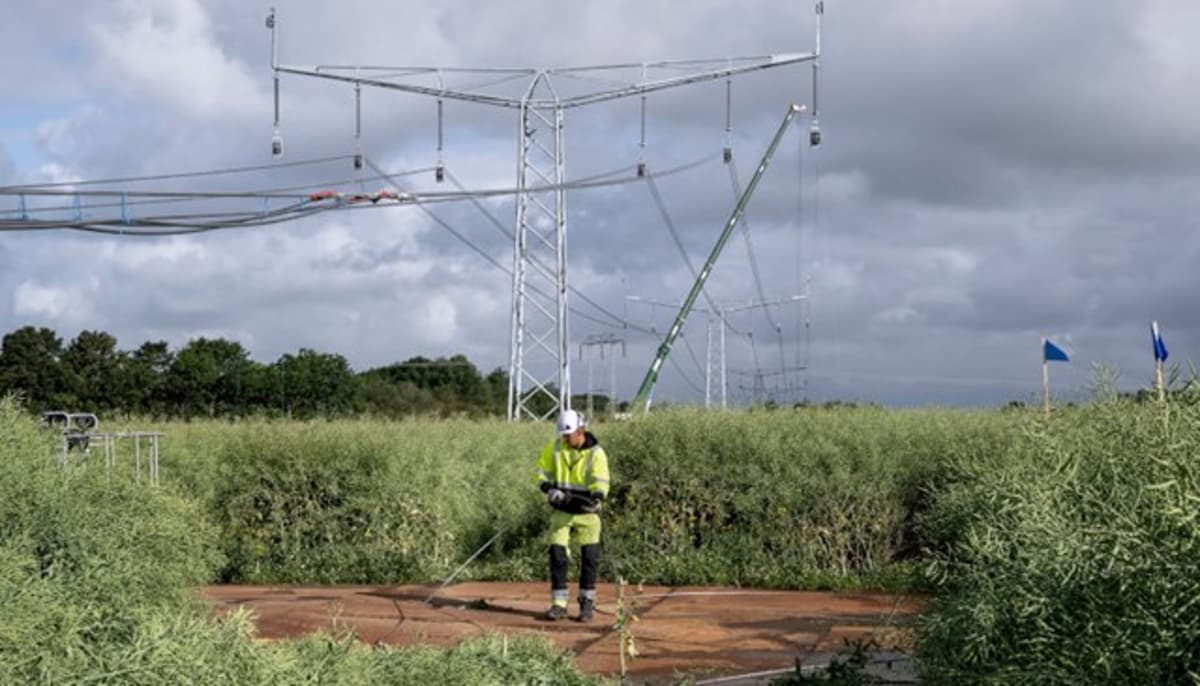
Energinet pauses connections amid soaring demand
0
Comments
Want to join the conversation?
Loading comments...