Energy Flows Could Take ‘Many Months’ to Stabilise: US Energy Chief
Why It Matters
Prolonged flow disruptions could pressure global commodity markets and accelerate diversification of supply, reshaping investment priorities across the energy sector.
Key Takeaways
- •Energy flow normalization may take several months post‑conflict
- •Strait of Hormuz traffic rising, but no specific figures disclosed
- •Disruptions affect oil, gas, sulfur, helium, lubricants
- •Non‑Middle‑East production rising: Alaska, Gulf, Venezuela, Guyana
- •Kuwait and allies planning expansion to offset regional shortfall
Pulse Analysis
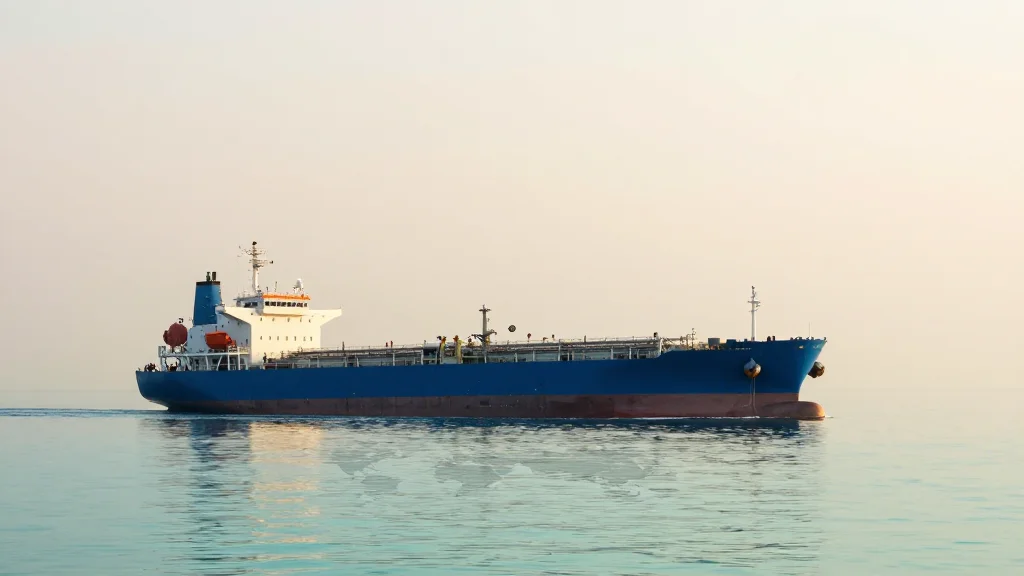
The month‑long clash between the United States and Iran has thrown a wrench into the world’s most vital maritime chokepoint, the Strait of Hormuz. While Secretary of Energy Chris Wright observed a “very meaningful” uptick in tanker movements over the past two weeks, he offered no hard data, underscoring the opacity that often surrounds real‑time flow metrics. The disruption extends beyond crude oil and natural gas; significant volumes of sulfur, helium, and industrial lubricants also traverse the Gulf, meaning that any delay reverberates through multiple downstream markets and pricing benchmarks.
With Middle‑Eastern output constrained, producers outside the region have stepped up. Alaska’s offshore fields, the Gulf of Mexico, Venezuela’s revitalized projects, and Guyana’s offshore discoveries are all reporting higher output, while Kuwait and its allies have accelerated expansion plans. This geographic rebalancing eases immediate supply concerns but also reshapes investment flows, prompting capital to chase higher‑margin, lower‑risk assets in politically stable jurisdictions. Traders are already pricing a modest premium for Middle‑East‑sourced barrels, reflecting the market’s anticipation of a prolonged normalization timeline.
Wright’s insistence that a nuclear‑armed Iran would be “wildly worth” the short‑term pain signals a broader strategic calculus. Policymakers are likely to maintain pressure on Tehran, even if it means sustained volatility in energy logistics. For industry executives, the message is clear: risk‑management frameworks must incorporate multi‑year supply disruptions, and diversification—both in geography and commodity mix—will be a competitive advantage. As the conflict winds down, the next few months will test the resilience of global supply chains and set the tone for energy market dynamics well into the 2030s.
Energy flows could take ‘many months’ to stabilise: US energy chief
Comments
Want to join the conversation?
Loading comments...