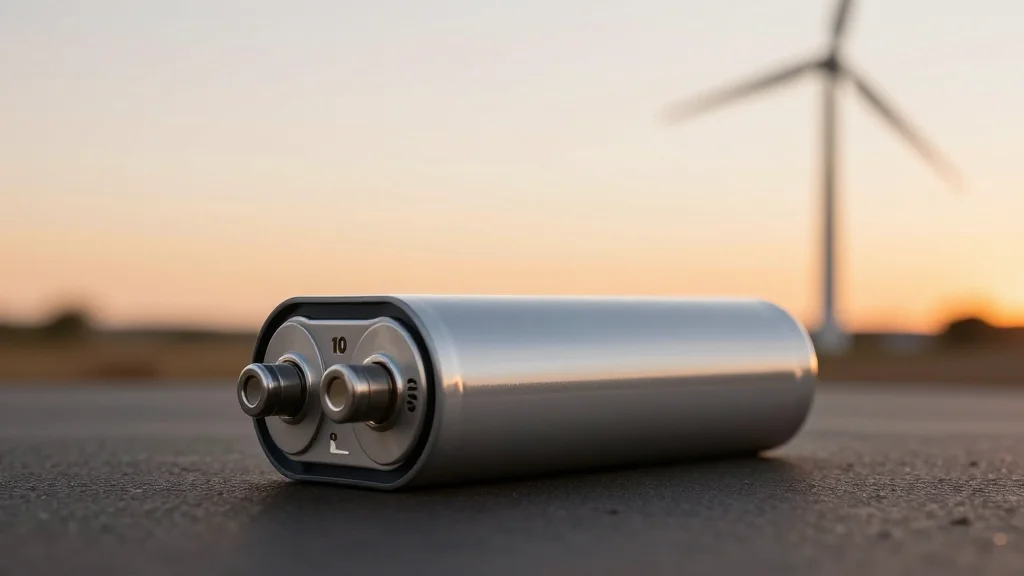
Energy Insiders Podcast: Batteries Take Centre Stage as World Wrestles with Fuel Crisis
Companies Mentioned
Why It Matters
Battery storage is becoming the linchpin of energy resilience, influencing policy, investment and the transition away from volatile fossil fuels. Its growth reshapes the competitive landscape for utilities, automakers and renewable developers worldwide.
Key Takeaways
- •Battery storage capacity grew 45% YoY in 2025
- •EV and grid storage demand driving chemistries diversification
- •Fortescue targets net‑zero by 2030 with fast‑track plan
- •Large wind projects slated to complement battery rollout in Australia
- •Albanese’s policy could unlock $10 bn renewable investments
Pulse Analysis
The current fuel supply crunch has accelerated interest in battery technologies that can store power when generation exceeds demand and release it during shortages. Across the globe, installations for electric‑vehicle charging and grid‑scale storage have surged, driven by falling lithium‑ion costs and the emergence of solid‑state and sodium‑ion alternatives. This diversification of chemistries not only improves performance but also mitigates supply‑chain risks tied to single‑material dependence, positioning batteries as a cornerstone of modern energy infrastructure.
In Australia, the conversation takes on a distinctly political hue. Fortescue Metals Group announced a fast‑track pathway to achieve net‑zero emissions by 2030, leveraging its mining expertise to develop large‑scale battery farms and green hydrogen projects. Coupled with newly approved wind farms that will feed directly into these storage systems, the country is poised to create a hybrid renewable‑storage grid. Prime Minister Anthony Albanese’s administration appears ready to back these initiatives with policy incentives, potentially unlocking billions in private capital and reinforcing Australia’s export ambitions in clean energy technologies.
For investors and industry stakeholders, the implications are clear: battery storage is moving from a niche supplement to a core asset class. Companies that master the integration of diverse chemistries, scale manufacturing, and align with supportive regulatory frameworks stand to capture significant market share. Moreover, the synergy between wind generation and battery dispatch offers a template for reliable, low‑cost renewable power, reducing reliance on imported fuels and enhancing grid stability. As the energy transition accelerates, battery‑centric strategies will likely dictate the next wave of profitability and geopolitical influence in the sector.
Energy Insiders Podcast: Batteries take centre stage as world wrestles with fuel crisis
Comments
Want to join the conversation?
Loading comments...