Energy Insiders Podcast: Tesla Energy Boss on Energy Abundance, EVs, V2G and Big and Small Batteries
Companies Mentioned
Why It Matters
Tesla’s roadmap links solar, storage and V2G, reshaping grid economics and accelerating the EV rollout across Asia‑Pacific, a market poised for the largest renewable surge.
Key Takeaways
- •Solar is framed as the cornerstone of future energy abundance
- •Tesla’s battery line spans utility‑scale farms to home Powerwalls
- •V2G is positioned to turn EVs into distributed grid assets
- •Hybrid vehicles act as transitional bridges to full electrification
- •Asia‑Pacific growth could make Tesla the dominant clean‑energy player
Pulse Analysis
Tesla Energy’s Asia‑Pacific strategy is anchored in the belief that solar power will become the primary source of electricity for the region. By leveraging its vertically integrated model—solar generation, battery storage, and software management—Tesla aims to create a seamless energy ecosystem. This approach not only reduces reliance on fossil fuels but also offers utilities a modular path to upgrade aging infrastructure. The emphasis on solar aligns with regional policy incentives, making large‑scale rooftop and ground‑mount installations financially attractive.
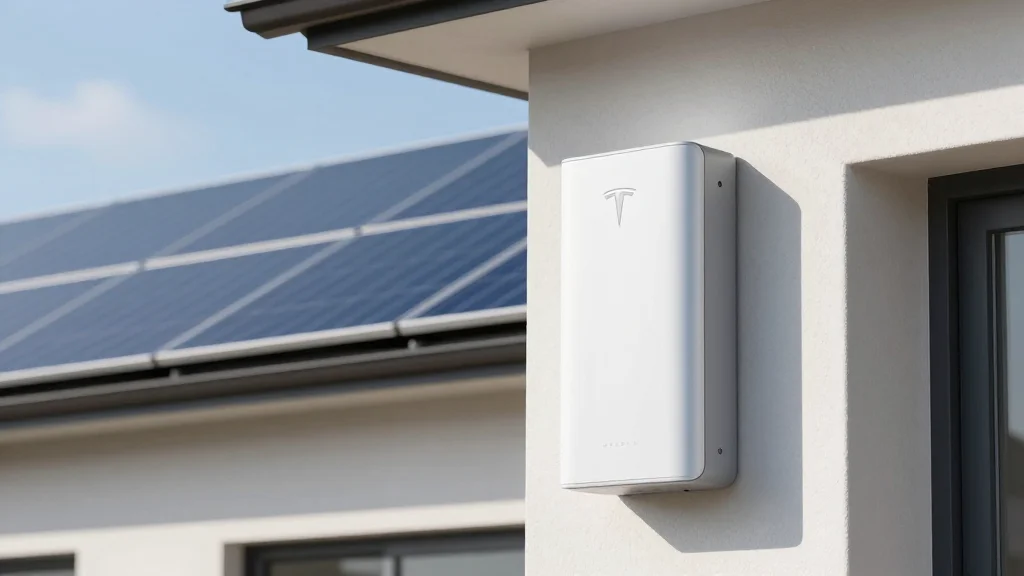
The podcast underscored the importance of a diversified battery portfolio. Utility‑scale megawatt‑hour installations provide grid‑level stability, while residential Powerwalls give homeowners backup power and demand‑response capabilities. Tadich highlighted that these assets can work together through Tesla’s proprietary energy management platform, optimizing charge cycles and reducing curtailment. A key emerging technology is vehicle‑to‑grid (V2G), which allows electric vehicles to feed electricity back into the grid during peak demand, effectively turning every EV into a mobile storage unit. This could unlock billions of kilowatt‑hours of distributed capacity without new construction.
Rapid EV adoption in Asia‑Pacific, driven by government mandates and falling battery costs, creates a feedback loop that fuels further investment in renewable generation. Hybrids remain a pragmatic bridge for markets where charging infrastructure lags, ensuring emissions continue to fall while full electrification scales. Tesla’s integrated hardware, software, and service model positions it to capture a sizable share of this transition, influencing grid pricing, renewable integration, and the overall pace of decarbonization in one of the world’s fastest‑growing energy markets.
Energy Insiders Podcast: Tesla Energy boss on energy abundance, EVs, V2G and big and small batteries
Comments
Want to join the conversation?
Loading comments...