Energy Market Outlook: Midstream Resilience & the Nuclear Renaissance
Why It Matters
The sector’s outsized returns highlight a shift toward energy‑linked equities as a growth engine, while the rise of midstream infrastructure and nuclear power offers stable, income‑generating opportunities amid geopolitical volatility. This dynamic reshapes capital allocation strategies across the broader market.
Key Takeaways
- •Energy sector up >30% total return, top S&P 500 performer.
- •Midstream & MLPs yield ~7% and 4.7%, offering defensive exposure.
- •U.S. oil output forecast 14 M bpd in 2027, record level.
- •Nuclear renaissance targets tripling capacity by 2050, boosting related ETFs.
- •Coal stays critical baseload as Asian markets shift from LNG.
Pulse Analysis
The energy sector’s meteoric rise in 2026 reflects a confluence of geopolitical risk and tightening supply, propelling oil prices from the low‑$50s to near $70 per barrel. Investors have rewarded the sector with a more than 30% total‑return, outpacing all S&P 500 groups and underscoring the market’s appetite for commodities‑linked growth. This performance is not merely a short‑term rally; analysts see a "higher‑for‑longer" price environment driven by ongoing Middle‑East tensions, constrained refinery capacity, and a surge in export demand from the United States and Canada.
Midstream firms and master‑limited partnerships (MLPs) have emerged as the defensive backbone of the energy theme. Because they own pipelines, processing facilities, and export terminals, they are less exposed to commodity price volatility while capturing volume growth. Yields hover around 7% for MLPs and 4.7% for broader midstream equities, making them attractive to income‑focused portfolios. The Energy Information Administration now projects U.S. crude output to hit a record 14 million barrels per day in 2027, reinforcing the strategic importance of North‑American export corridors and the ETFs that track this infrastructure, such as AMLP and ENFR.
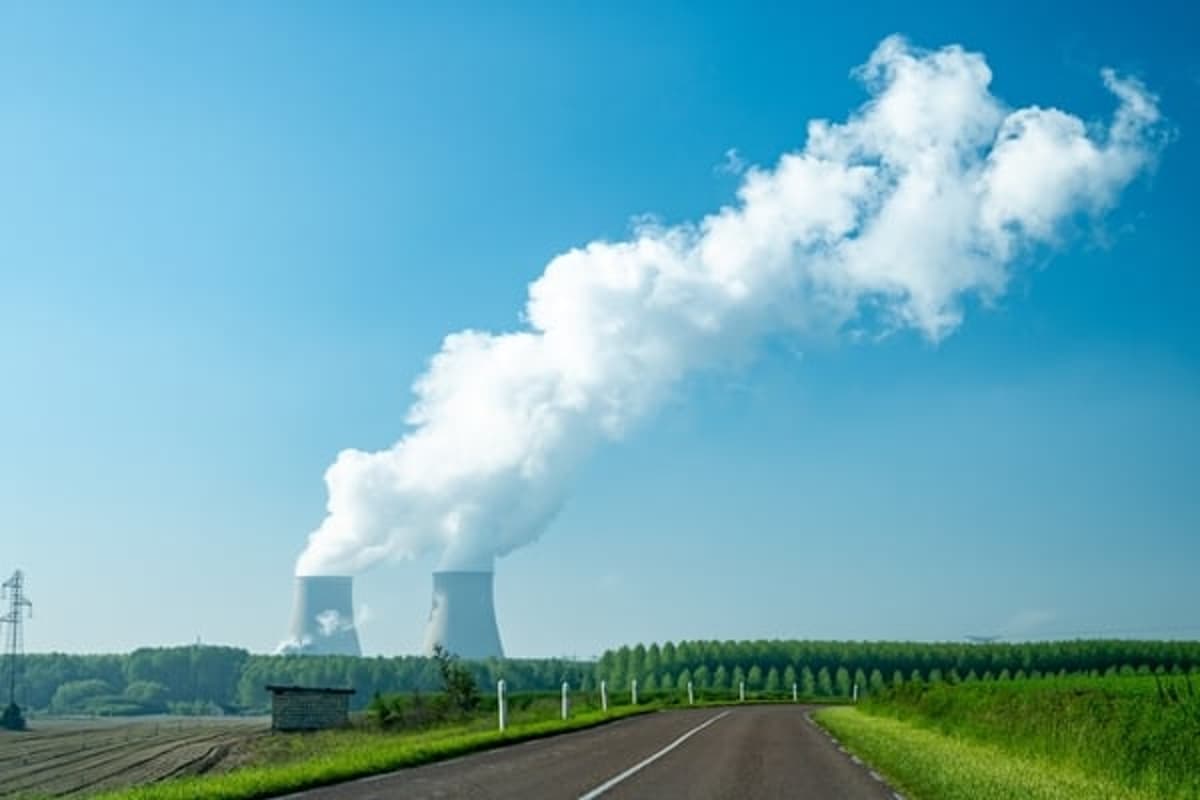
Beyond oil, the power generation landscape is undergoing a structural shift. Over 30 countries have signed a pact to triple nuclear capacity by 2050, fueling a "nuclear renaissance" that promises low‑carbon baseload and resilience against gas supply shocks. Simultaneously, coal retains a foothold in Asia as nations pivot away from expensive LNG, keeping baseload demand robust. This diversification across oil, midstream, nuclear, and coal assets is prompting investors to adopt a multi‑segment exposure strategy, leveraging specialized ETFs like NUKZ for nuclear and COAL for coal to capture the evolving energy mix.
Energy Market Outlook: Midstream Resilience & the Nuclear Renaissance
Comments
Want to join the conversation?
Loading comments...