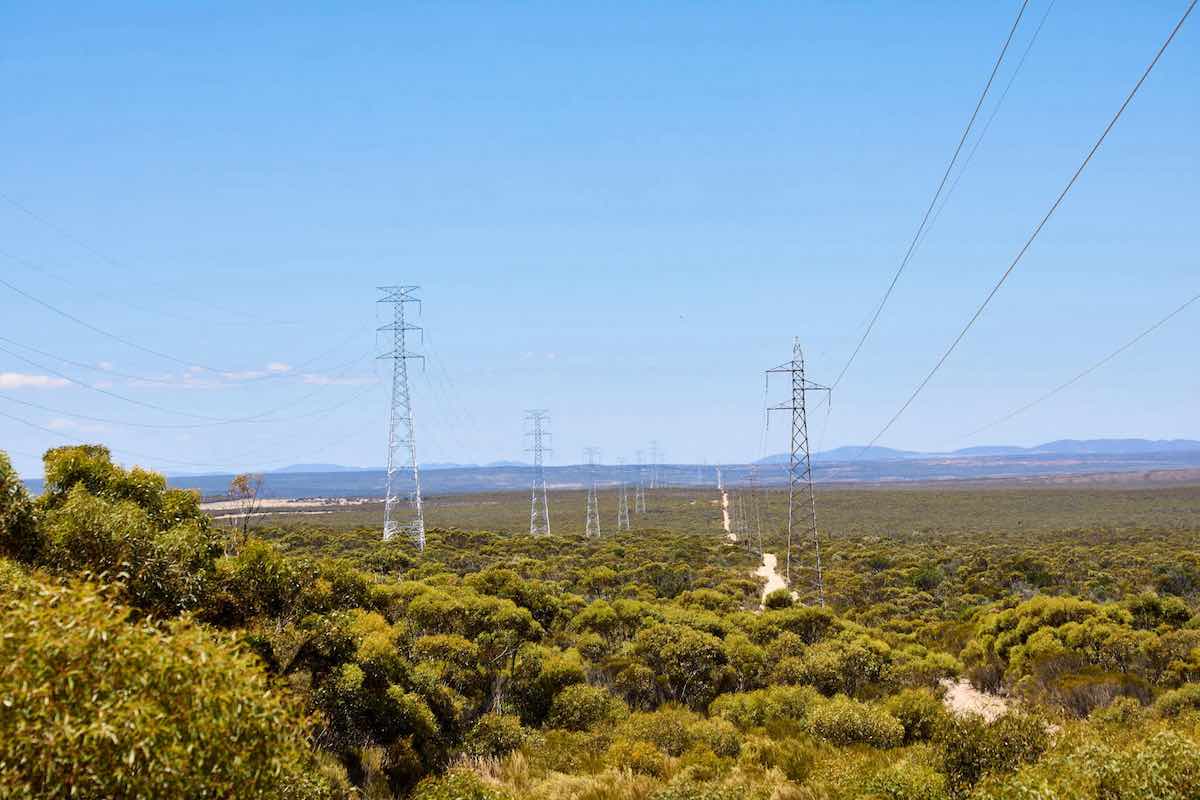
Energy Ministers Seek Solution to Tax Trap for Landowners Seeking Compensation for Transmission Lines
Why It Matters
The tax burden threatens landowner cooperation, jeopardising the rollout of new transmission assets essential for Australia’s energy transition.
Key Takeaways
- •Landowner easement payments taxed as capital gains in Australia
- •NSW and Victoria ministers tasked to propose tax reform
- •CGT can erase up to 45% of compensation, discouraging participation
- •Transmission networks lobby for exemption ahead of federal election
- •Reform aims to preserve social licence for new transmission lines
Pulse Analysis
The current tax treatment of transmission easement payments stems from the Australian Tax Office’s view that landowners effectively sell a portion of their property, triggering capital‑gains tax (CGT). For a farmer receiving a $200,000 AUD (≈$132,000 USD) per‑kilometre payment over 20 years, the CGT liability can wipe out a large share of the benefit, turning a generous offer into a financial loss. This classification has sparked frustration among rural communities and heightened scrutiny of infrastructure projects that rely on private land access.
In response, energy ministers from New South Wales and Victoria have been tasked with drafting a proposal for legislative reform and clearer guidance. They will write to the Council of Federal Financial Relations and the Board of Treasurers to explore options that could exempt transmission easement payments from CGT. Industry bodies such as Energy Networks Australia, representing the five east‑coast transmission network service providers, have also pressed for an exemption, positioning the issue as a priority in the lead‑up to the May federal election. Their lobbying underscores the broader economic stakes tied to reliable grid expansion.
Resolving the tax trap is critical for maintaining the social licence of transmission projects, which have faced growing opposition after high‑profile planning failures and amplified social‑media criticism. By removing the CGT burden, governments aim to restore confidence among landowners, ensuring smoother acquisition of easements and accelerating the deployment of new poles and wires needed for renewable integration. A successful reform could set a precedent for other infrastructure sectors, reinforcing Australia’s commitment to a low‑carbon future while safeguarding rural livelihoods.
Energy ministers seek solution to tax trap for landowners seeking compensation for transmission lines
Comments
Want to join the conversation?
Loading comments...