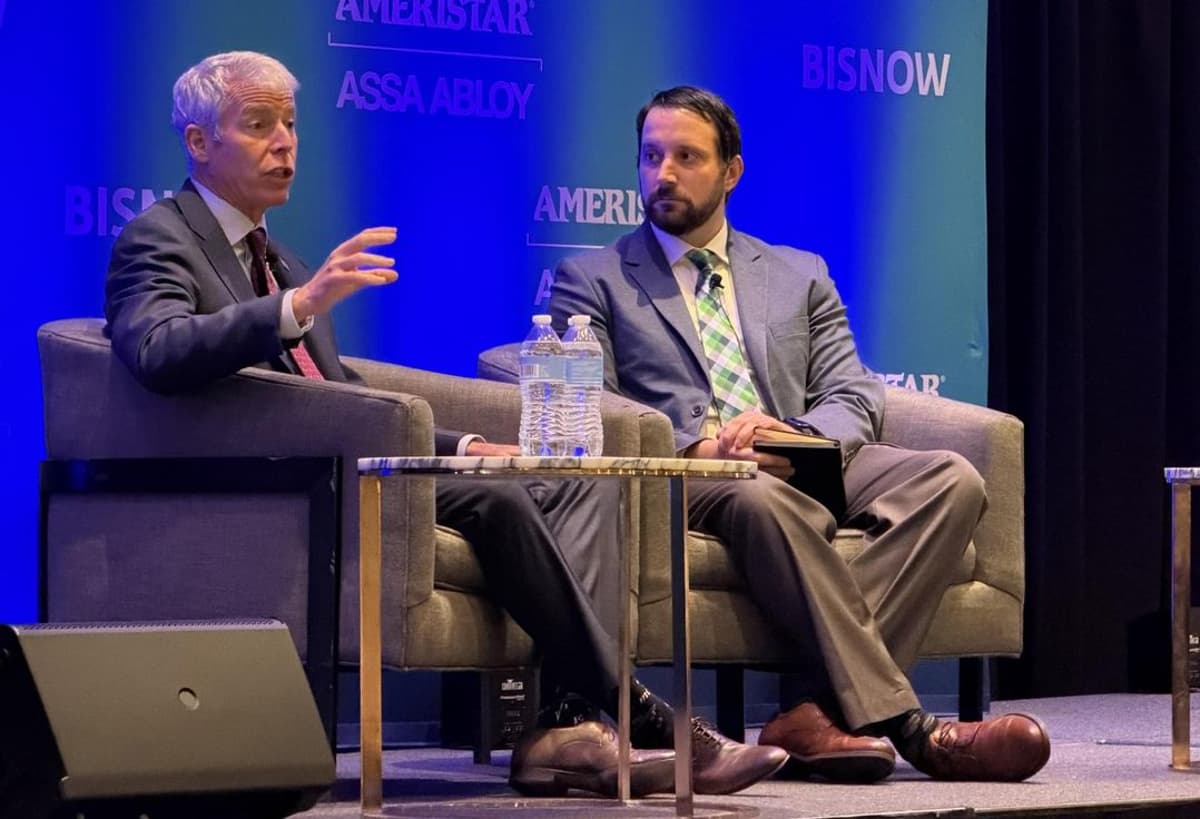
Energy Secretary: U.S. To Finance Parts For 10 Nuclear Reactors To Power Data Centers
Why It Matters
Federal financing fast‑tracks a domestic nuclear supply chain, giving data centers a low‑carbon, reliable power source and helping the U.S. stay ahead in the AI race. It also tackles rising electricity costs and community opposition, protecting ratepayers and the broader economy.
Key Takeaways
- •DOE will finance parts for ten 1.1‑GW reactors.
- •Funding targets data centers powering AI workloads.
- •$94 million allocated to eight firms for SMR development.
- •DOE aims to have three test reactors operating by July 4.
- •Wholesale power prices rose 76% in Q1, spurring opposition.
Pulse Analysis
The rapid expansion of AI‑driven workloads has turned data centers into one of the fastest‑growing electricity consumers in the United States. Traditional grid capacity struggles to keep pace, prompting policymakers to look for baseload solutions that can deliver clean, uninterrupted power. Nuclear energy, particularly large‑scale reactors, offers the high‑density output needed, but long lead times for critical components have historically slowed deployment. By injecting federal capital directly into the component supply chain, the DOE aims to shrink the ordering horizon from five years to a much shorter window, effectively jump‑starting a new wave of nuclear construction.
Small modular reactors (SMRs) are a central pillar of the administration’s strategy, bridging the gap between massive reactors and the localized power needs of data‑center campuses. The $94 million grant to eight SMR developers accelerates prototype testing and commercial readiness, while three test reactors at Idaho National Laboratory are slated for operation by July 4, providing a real‑world proving ground. These efforts dovetail with broader DOE‑NRC collaborations that seek streamlined licensing and safety reviews, ensuring that SMRs can be deployed on‑site without the lengthy regulatory delays that have hampered traditional nuclear projects.
Beyond technical considerations, the financing plan carries significant market and political implications. Wholesale electricity prices surged 76% in the first quarter, fueling public backlash against new data‑center construction—seven in ten Americans now oppose such projects in their neighborhoods. By offering a low‑cost, carbon‑free power source, the government hopes to ease ratepayer concerns and reinforce the Ratepayer Protection Pledge signed by major AI firms. If successful, the initiative could solidify the United States’ leadership in AI infrastructure while delivering economic and environmental benefits to ratepayers nationwide.
Energy Secretary: U.S. To Finance Parts For 10 Nuclear Reactors To Power Data Centers
Comments
Want to join the conversation?
Loading comments...