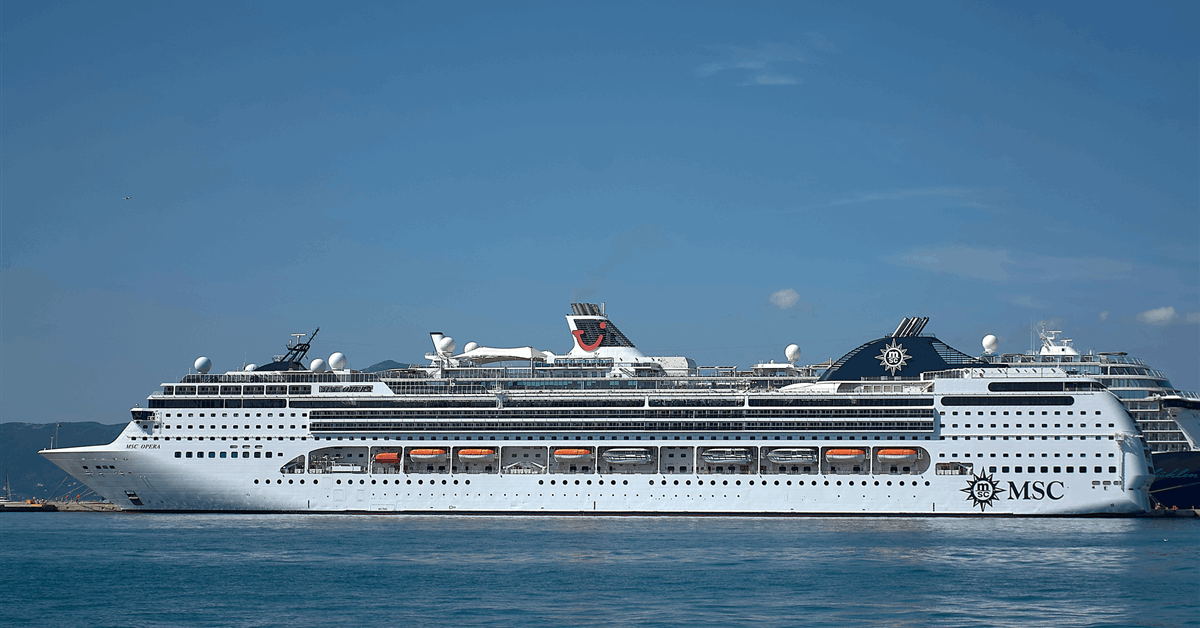
Eni Says Its Biodiesel Successfully Tested on Cruise Ship
Companies Mentioned
Why It Matters
The test proves a ready‑to‑use, low‑emission biofuel can meet strict maritime regulations without costly retrofits, accelerating the industry’s shift toward decarbonisation.
Key Takeaways
- •2,000‑hour engine test on MSC Opera used 100% HVO.
- •No engine modifications required for HVO deployment.
- •NOx emissions fell 16% and GHGs dropped ~80%.
- •HVO produced from waste oils at Enilive’s Gela and Venice biorefineries.
- •FuelEU Maritime compliance possible with drop‑in biofuel.
Pulse Analysis
Maritime transport faces mounting pressure to curb carbon output as the International Maritime Organization tightens emissions caps and the EU’s FuelEU Maritime regulation mandates greener fuels by 2025. Traditional solutions like liquefied natural gas require new infrastructure, while long‑term hydrogen remains commercially immature. In this context, drop‑in biofuels such as hydrogenated vegetable oil (HVO) offer a pragmatic bridge, delivering immediate emissions cuts without the need for engine redesigns, a critical advantage for operators seeking rapid compliance.
Eni’s recent 2,000‑hour sea trial aboard the MSC Opera demonstrated that pure HVO can power a cruise‑ship main engine continuously, delivering performance on par with fossil diesel. Independent verification by Wärtsilä and Bureau Veritas confirmed a 16% reduction in nitrogen‑oxides and an approximately 80% cut in lifecycle greenhouse‑gas emissions, thanks to the fuel’s 100% biogenic feedstock derived from waste cooking oils and animal fats. The test’s success underscores the technical feasibility of using existing marine propulsion systems with a sustainable fuel, eliminating costly retrofits and minimizing operational disruption.
The commercial implications are significant. Enilive already supplies HVO at ports in Genoa, Ravenna and Venice, positioning the product for immediate uptake by European cruise lines and container vessels. As MSC Cruises and other operators pledge net‑zero targets for 2050, scalable access to certified drop‑in biofuels could become a cornerstone of their decarbonisation roadmaps. Moreover, the proven emissions advantage may accelerate broader regulatory acceptance, prompting other fuel suppliers to expand waste‑derived biofuel capacity and fostering a competitive market that could lower costs for the shipping sector.
Eni Says Its Biodiesel Successfully Tested on Cruise Ship
Comments
Want to join the conversation?
Loading comments...