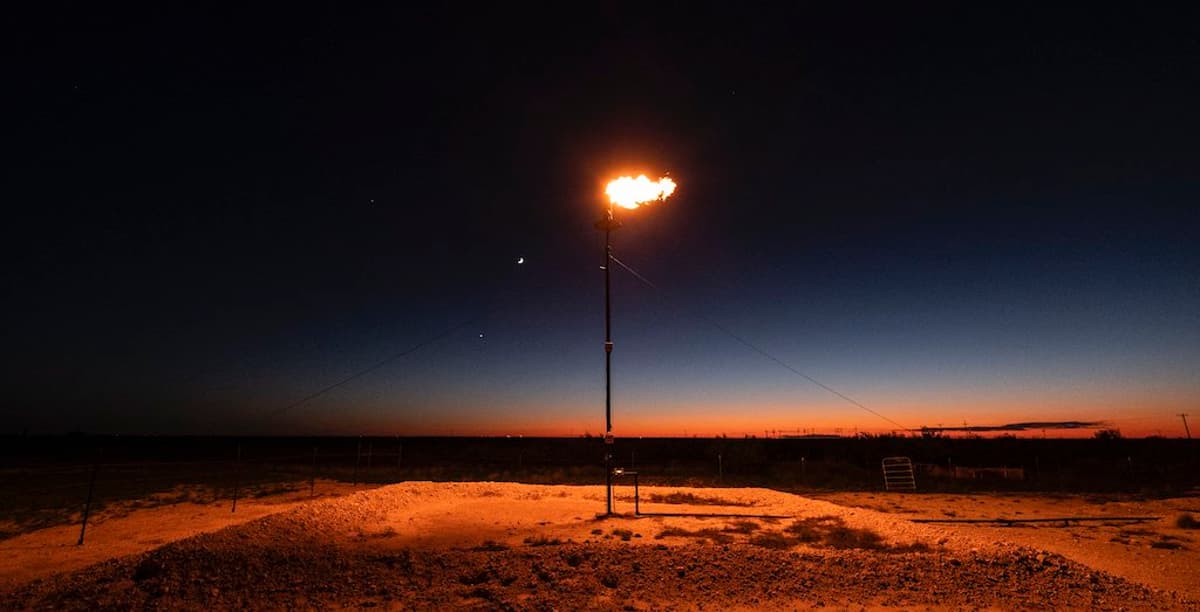
EPA Allows Limited Routine Flaring at New Oil Wells Under Updated Rule
Why It Matters
The clarification reduces regulatory uncertainty for independent operators, helping them maintain profitability while still aligning with federal methane‑reduction objectives. It balances environmental goals with the practical need for gas handling infrastructure.
Key Takeaways
- •EPA permits limited routine flaring for wells started after May 7 2024
- •Flexibility targets gas take‑away constraints in high‑production regions
- •Independent producers gain regulatory clarity, easing compliance costs
- •Rule aligns with federal methane‑reduction goals while allowing operational leeway
Pulse Analysis
The EPA’s latest amendment to the methane‑regulation framework reflects a pragmatic shift in U.S. energy policy. By permitting limited routine flaring for wells that began construction after May 7 2024, the agency acknowledges the persistent bottlenecks in gas takeaway infrastructure that have hampered compliance with the 2026 phase‑out schedule. This nuanced approach aims to curb unchecked emissions while recognizing that immediate, universal pipeline capacity is not yet feasible across all producing basins.
For independent producers, the rule offers a rare dose of regulatory certainty. Previously, operators faced ambiguous interpretations of flaring allowances, risking costly penalties or forced shutdowns. The clarified provision lets them strategically flare associated gas only when necessary, preserving capital for infrastructure investments and reducing the administrative burden of reporting. In high‑output regions such as the Permian Basin, where rapid well development often outpaces pipeline expansion, the flexibility can translate into steadier cash flows and lower per‑barrel production costs.
The broader impact of the EPA’s decision lies in its alignment with national methane‑reduction targets without stifling domestic oil output. By coupling limited flaring allowances with ongoing incentives for pipeline construction and gas capture technologies, the policy creates a transitional pathway toward a lower‑emission future. Stakeholders will watch how the rule influences future legislative proposals and whether it spurs accelerated investment in gas‑to‑power projects, ultimately shaping the balance between energy security and climate responsibility.
EPA allows limited routine flaring at new oil wells under updated rule
Comments
Want to join the conversation?
Loading comments...